Summarise this page 13 key points · 1 minute
- The 10 products at a glanceThe ten picks cover crafts, cheese, wine, spirits, sweets and cured meats, many carrying EU PDO or PGI protection.
- Where is the best one-stop shop for Cypriot crafts?The Cyprus Handicraft Centre at 186 Athalassas Avenue, Strovolos, sells authentic handmade goods, is free to enter and closes on public holidays.
- 1. Lefkara lace (lefkaritika)Buy UNESCO-listed Lefkara lace from shops in Lefkara or the Cyprus Handicraft Centre, and visit the free embroidery museum in Pano Lefkara first.
- 2. Filigree silver (trifouri)Filigree silver jewellery and tableware are mainly made in Lefkara and also sold in jewellery and souvenir shops around the island.
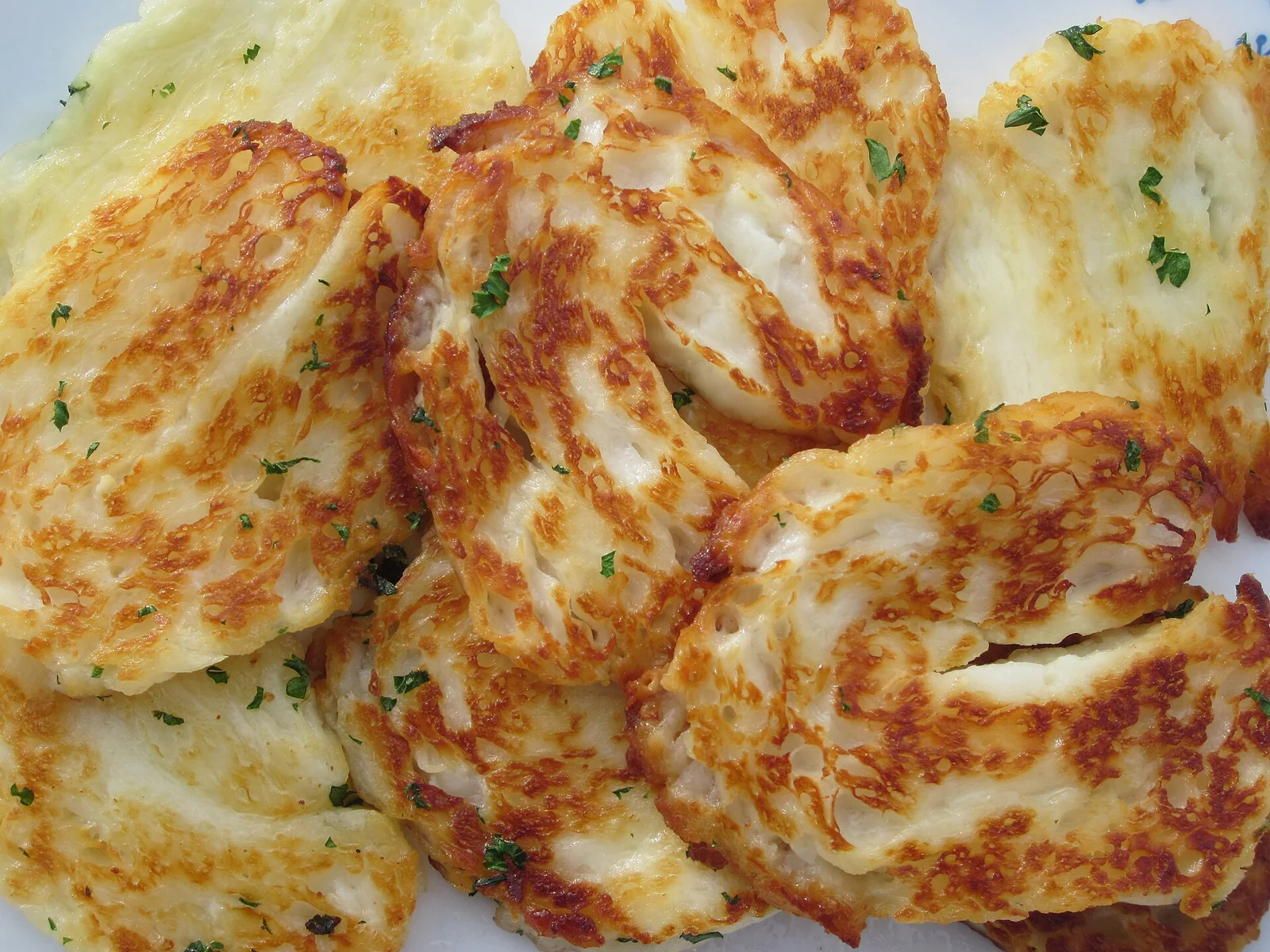
- 3. HalloumiGenuine PDO halloumi must contain spearmint and carry the EU PDO logo plus both names, Χαλλούμι and Hellim, on the pack.
- 4. CommandariaCommandaria is a PDO dessert wine made in 14 Troodos villages from sun-dried Mavro and Xynisteri grapes, best bought at Commandaria Wine Route wineries.
- 5. ZivaniaSome products sold as zivania do not meet the PGI specification, so ask the producer or look for the PGI label.
- 6. Loukoumi and koufeta from GeroskipouLoukoumi Geroskipou became Cyprus's first EU PGI product in 2007, and you buy it, along with sugar-coated almonds, in Geroskipou near Paphos.
- 7. Pastelli and carob productsTraditional carob pastelli is made only in Anogyra, from about September to May, and sold there, especially at the annual Pasteli Festival.
- 8. Kornos red clay potteryHandmade red clay pottery is still made in Kornos, about 27 km west of Larnaca, where Kornos Coop Pottery is the last working workshop.
- 9. Agros rose productsAgros is known for its PGI rose spoon sweet and rose-oil workshops, and its Rose Festival runs over two weekends in May.
- 10. Lountza and village sausagesLountza Pitsilias and Pitsilia sausage gained EU PGI status in February 2021 and are sold in villages such as Agros and at municipal markets.
- Tips for buying local productsCheck for PDO and PGI logos on food and drink, and buy crafts directly from village shops and workshops in places such as Lefkara and Kornos.
Quick answer
The best local products to buy in Cyprus are Lefkara lace and filigree silver, PDO halloumi, Commandaria dessert wine, zivania, Geroskipou loukoumi, carob products such as pastelli, Kornos red clay pottery, Agros rose products and PGI cured meats such as lountza. Many are protected by EU quality schemes, so look for the PDO or PGI label, and buy crafts in the villages where they are made or at the Cyprus Handicraft Centre in Nicosia.
- Loukoumi Geroskipou became the first Cypriot product registered as a Protected Geographical Indication (PGI), in 2007.
- Lefkara lace was inscribed on UNESCO's Representative List of the Intangible Cultural Heritage of Humanity in 2009.
- Halloumi has been an EU Protected Designation of Origin (PDO) since 3 May 2021, and PDO halloumi must always contain spearmint.
- Commandaria is made in 14 villages on the southern slopes of the Troodos, from sun-dried Mavro and Xynisteri grapes.
- Pastelli, the carob toffee, is traditionally made only in Anogyra, and only from about September to May.
The best things to take home from Cyprus are made here and nowhere else: lace stitched in a hill village, cheese protected by EU law, a dessert wine with medieval roots and sweets from a town near Paphos. Here are ten local products, what makes each one special and where to buy the real thing. Several carry an EU PDO (Protected Designation of Origin) or PGI (Protected Geographical Indication) label, which is the simplest way to check you are buying the genuine article.
The 10 products at a glance
| # | Product | Type | Protection | Where to buy |
|---|---|---|---|---|
| 1 | Lefkara lace | Handicraft | UNESCO intangible heritage (2009) | Lefkara shops, Cyprus Handicraft Centre |
| 2 | Filigree silver (trifouri) | Handicraft | – | Lefkara, jewellery and souvenir shops |
| 3 | Halloumi | Cheese | EU PDO (2021) | Supermarkets, municipal markets |
| 4 | Commandaria | Dessert wine | EU PDO | Commandaria Wine Route wineries |
| 5 | Zivania | Grape spirit | PGI | Look for the PGI marking |
| 6 | Loukoumi and koufeta from Geroskipou | Sweets | EU PGI (loukoumi 2007) | Geroskipou |
| 7 | Pastelli and carob products | Sweets, syrup | – | Anogyra, Pasteli Festival |
| 8 | Kornos red clay pottery | Handicraft | National intangible heritage inventory (2016) | Kornos, Cyprus Handicraft Centre |
| 9 | Agros rose products | Spoon sweet, rose oil | Rose spoon sweet is PGI | Agros workshops, Rose Festival |
| 10 | Lountza and village sausages | Cured meats | EU PGI | Pitsilia villages such as Agros |
Where is the best one-stop shop for Cypriot crafts?
The Cyprus Handicraft Centre at 186 Athalassas Avenue, Strovolos (Nicosia) sells authentic handmade goods: embroidery and lace, weaving, basketry, woodcarving, pottery, copperware and silver, and leather goods. Entry is free. As of October 2026, Visit Cyprus lists it as open Monday, Tuesday, Thursday and Friday 08:30–17:30, Wednesday 08:30–15:00 and Saturday 09:00–13:00, closed on public holidays.
1. Lefkara lace (lefkaritika)
What it is: embroidered linen tablecloths, napkins and display pieces made by the women of Lefkara. The craft dates back to at least the 14th century and combines four elements: hemstitch, cut work, satin-stitch fillings and needlepoint edgings. UNESCO added it to its Representative List of the Intangible Cultural Heritage of Humanity in 2009. Where to buy: local shops in Lefkara (Larnaca district), which can also make pieces to order, and the Cyprus Handicraft Centre. Visit Cyprus describes genuine lefkaritika as intricate and time-consuming work. Before you shop, the free Local Museum of Traditional Embroidery and Silversmith-work in Pano Lefkara is open daily, 08:30–16:00 (16 September to 15 April) and 09:30–17:00 (16 April to 15 September). See our Lefkara area guide.
2. Filigree silver (trifouri)
What it is: fine silver wire twisted into jewellery, decorative cutlery and tableware. Where: mainly made in Lefkara, and also sold in jewellery and souvenir shops around the island. The Lefkara museum above displays old silverwork alongside its embroidery collection.
3. Halloumi
What it is: the Cypriot cheese registered in the EU as the PDO "Halloumi / Hellim" under Regulation (EU) 2021/591, in force since 3 May 2021. PDO halloumi must come from certified establishments in Cyprus, must meet minimum proportions of goat's and sheep's milk set by ministerial decree, and must always contain spearmint. Herbs such as basil or chilli may only be sprinkled on afterwards. How to check: the pack should carry the EU PDO logo and both names, Χαλλούμι and Hellim. Where to buy: supermarkets and markets; Nicosia's Central Municipal Market sells halloumi alongside other cheeses. More in our halloumi guide.
4. Commandaria
What it is: a sweet dessert wine with an EU PDO, often described as the oldest named wine still in production. It is made in 14 villages on the southern slopes of the Troodos, at roughly 500–900 metres, from indigenous Mavro and Xynisteri grapes that are sun-dried before pressing. Its name comes from "La Grande Commanderie", the medieval name of the Kolossi area. Where to buy: at the wineries of the Commandaria Wine Route, which also takes in the restored wine press at Laneia and Kolossi Castle. Read our Commandaria guide and wine routes guide.
5. Zivania
What it is: the traditional Cypriot spirit, distilled from the grape marc of Xynisteri and/or Mavro grapes and registered as a PGI. What to watch for: in January 2024 a parliamentary committee discussed products sold as "zivania" that do not meet the PGI specification, and the Cyprus Chamber of Commerce noted that almost no sellers display the (optional) PGI marking. If you want the genuine product, ask the producer or look for the PGI label. Our zivania guide covers how it is made and drunk.
6. Loukoumi and koufeta from Geroskipou
What it is: Loukoumi Geroskipou was the first Cypriot product registered as an EU PGI, in 2007. It is made from water, sugar, citric acid and cornstarch, cooked for several hours, with no glucose or gelatine, then flavoured (rose, bergamot, pistachio and others) and dusted with caster sugar or desiccated coconut. Documented production dates from 1895. Geroskipou also makes koufeta amygdalou, sugar-coated roasted almonds, another PGI product. Where to buy: in Geroskipou, near Paphos. See our Yeroskipou area guide and our guide to Cypriot desserts.
7. Pastelli and carob products
What it is: carobs, once the island's main export and nicknamed "black gold", have been grown in Cyprus for about 4,000 years. Pastelli is a chewy toffee made from carob syrup, stretched and pulled by hand. The traditional process survives only in Anogyra (Limassol district), and only in the cooler months, from about September to May. Where to buy: in Anogyra, especially at the annual Pasteli Festival, where in 2024 around 30 exhibitors sold pastelli, carob syrup and carob syrup soaps and cosmetics.
8. Kornos red clay pottery
What it is: handmade red clay pots shaped on a low, foot-powered wheel and decorated with simple comb-carved bands. Traditional forms include pitharia (large jars), pitharouthkia (meat-cooking pots) and kouzes (water jugs), alongside newer decorative bowls and vases. The craft was added to Cyprus's national intangible heritage inventory in 2016. Where: Kornos, about 27 km west of Larnaca, where Kornos Coop Pottery is the last working pottery workshop in the village and a pottery festival is held every autumn. Foini (Limassol district) also still makes red clay pottery, and authentic pieces are sold at the Cyprus Handicraft Centre.
9. Agros rose products
What it is: Agros, at about 1,100 metres in the Pitsilia region, is known for its roses. Its rose spoon sweet (glyko triantafyllo Agrou) is a PGI product, and local workshops show visitors rose-oil distillation. When to go: the 18th Rose Festival ran over two weekends in May 2026, with stalls selling traditional products, distillation demonstrations and workshops.
10. Lountza and village sausages
What it is: Cypriot cured pork. Lountza Pitsilias (cured pork tenderloin, smoked and marinated in wine) and Pitsilia sausage gained EU PGI status in February 2021, joining chiromeri from Pitsilia and Paphos sausage (pafitiko loukaniko), which is matured in red wine and sun-dried. Where to buy: Pitsilia villages such as Agros, where workshops make sausages, lountza and hiromeri, and the cured-meat stalls at municipal markets such as Larnaca's.
Tips for buying local products
- Check the label. PDO and PGI logos are the quickest proof of origin for food and drink.
- Buy crafts at source. Villages such as Lefkara and Kornos sell directly from shops and workshops.
- Shipping gifts abroad? Read our guide to sending parcels and customs first.
Related guides
Recommended for this guide
Contains affiliate links Airalo
 Discover Cars
Frequently asked questions
What is the most typical souvenir from Cyprus?
Lefkara lace (lefkaritika) is the best-known handmade souvenir and is on UNESCO's intangible heritage list. Food lovers usually take home halloumi, Commandaria, zivania or Geroskipou loukoumi.
How do I know if halloumi is authentic?
Look for the EU PDO logo and both names, Χαλλούμι and Hellim, on the pack. PDO halloumi is made in certified establishments in Cyprus, with minimum proportions of goat's and sheep's milk, and always contains spearmint.
Where can I buy real Lefkara lace?
In Lefkara itself, where local shops sell it and can make pieces to order. The Cyprus Handicraft Centre in Nicosia also sells embroidery and lace.
Is all zivania sold in Cyprus genuine?
Not necessarily. In January 2024 a parliamentary committee discussed products sold as zivania that do not meet the PGI specification. The PGI marking is optional, but it shows the product follows the rules.
When is the best time to buy pastelli?
From about September to May, when it is made in Anogyra. The village holds a Pasteli Festival each year, with stalls selling pastelli and carob syrup products.
What are the opening hours of the Cyprus Handicraft Centre in Nicosia?
As of October 2026, Visit Cyprus lists Monday, Tuesday, Thursday and Friday 08:30–17:30, Wednesday 08:30–15:00 and Saturday 09:00–13:00, closed on public holidays. Entry is free.
Useful links
- Ministry of Agriculture, Department of Agriculture – General guidelines, PDO Halloumi
- European Commission – Loukoumi Geroskipou PGI
- Visit Cyprus – Traditional Handicrafts
- Visit Cyprus – Cyprus Handicraft Centre – Lefkosia
- Visit Cyprus – Local Museum of Traditional Embroidery and Silversmith-work – Lefkara
- Visit Cyprus – Commandaria Wine Route
Sources (20)
- UNESCO – Decision 4.COM 13.37: Lefkara laces or Lefkaritika (2009)
- EUR-Lex – Commission Implementing Regulation (EU) 2021/591 registering Halloumi/Hellim (PDO)
- Ministry of Agriculture, Department of Agriculture – General guidelines, PDO Halloumi
- European Commission – Loukoumi Geroskipou PGI
- Traditional Handicrafts – Deputy Ministry of Tourism (visitcyprus.com)
- Cyprus Handicraft Centre – Lefkosia – Deputy Ministry of Tourism (visitcyprus.com)
- Local Museum of Traditional Embroidery and Silversmith-work – Lefkara (visitcyprus.com)
- Commandaria Wine Route – Deputy Ministry of Tourism (visitcyprus.com)
- Pastelli (Carob Toffee) – Deputy Ministry of Tourism (visitcyprus.com)
- Agros village – Deputy Ministry of Tourism (visitcyprus.com)
- Kornos village – Deputy Ministry of Tourism (visitcyprus.com)
- Cyprus National Commission for UNESCO – Traditional red clay pottery in Kornos
- Cyprus Chamber of Commerce and Industry – Zivania, Protected Geographical Indication (2024)
- Cyprus Mail – Commandaria's long journey to the heart of Europe (30 June 2026)
- Cyprus Mail – Pitsilia sausage earns coveted EU protected status (2021)
- Cyprus Mail – Anogyra festival celebrates 'black gold' of Cyprus (2024)
- Cyprus Mail – Cyprus wins naming rights for local loukoumi in EU (2007)
- Politis – Rose Festival returns to Agros across two weekends (March 2026)
- Welcome Magazine – The artisans of tradition (December 2025)
- Taste Cyprus – Certified Cypriot products