Quick answer
Commandaria is a sweet, fortified Cypriot dessert wine described as the world's oldest named wine still in production. It is made from sun-dried Mavro and Xynisteri grapes in 14 designated villages in the Troodos foothills near Limassol, and its name is linked to the Knights of St John at Kolossi Castle. It tastes somewhere between sherry and port, with notes of dried fruit, honey and spice.
- Commandaria is made from sun-dried Mavro (red) and Xynisteri (white) grapes in 14 designated villages.
- The name comes from La Grande Commanderie, the base of the Knights of St John at Kolossi Castle near Limassol.
- Production is protected under EU rules, and PDO labels indicate authenticity.
- Commandaria is served at weddings, Easter and saints' name days, and pairs with desserts and aged cheese.
Cyprus is known for beaches and ancient ruins, but it is also home to a liquid legend. Anyone exploring Cypriot food culture will soon hear about a sweet, golden wine called Commandaria. It is a piece of history in a bottle.
Why is Commandaria the oldest wine still in production?
Commandaria holds the title of the world's oldest named wine still in production. Its legacy is traced back to 800 BC, when ancient Cypriots were already cultivating vines and producing a syrupy, fortified wine then known as "Cypriot Nama".
- The name "Commandaria" came much later, during the Crusades in the 12th century.
- In 1191, Richard the Lionheart celebrated both his conquest of Cyprus and his marriage to Berengaria of Navarre in Limassol with a toast of Commandaria.
- He is said to have called it "the wine of kings and the king of wines".
What are the royal and Crusader roots of Commandaria?
How did Kolossi and the Knights give Commandaria its name?
The name comes from La Grande Commanderie, the feudal command post of the Knights of St John and later the Knights Templar. Kolossi Castle, near modern-day Limassol, was their headquarters and the heart of Commandaria production.
- The wine took its name from this region.
- Even after selling Cyprus to Guy de Lusignan, the knights kept Kolossi and continued producing the wine.
What was the Battle of the Wines?
In the 13th century, Commandaria made headlines in France. It won the first documented wine tasting competition, The Battle of the Wines, hosted by King Philip Augustus, beating dozens of European contenders.
How is Commandaria made?
Commandaria's recipe has barely changed in over 3,000 years. It is protected under EU regulations, and the process is closely tied to 14 designated wine-growing villages in Cyprus.
Which grapes are used?
- Mavro (red) and Xynisteri (white) grapes are harvested late in the season.
- They are then sun-dried to concentrate their sugars.
- Once dried, the grapes are pressed and the rich juice is collected.
- Fermentation takes place in stainless steel tanks or traditional clay vessels (pitharia), preserving the caramelised, sun-baked flavours.
The result is a wine somewhere between sherry and port, with deep amber colour and flavours of dried fruit, honey and spice.
How do you enjoy Commandaria today?
A tasting of Commandaria should be high on the list for anyone exploring Cypriot gastronomy.
- Visit Kolossi Castle to soak up the history.
- Many wineries in the Commandaria region offer tours and tastings.
- Look for labels with Protected Designation of Origin (PDO) status to ensure authenticity.
Pair Commandaria with:
- Traditional Cypriot desserts such as soutzoukos or baklava
- A strong aged cheese
- Or sip it on its own as a meditative after-dinner drink
Is Commandaria a good souvenir?
Commandaria is more than a drink: it is a symbol of endurance and identity, and you can take it home.
- Bottles are widely available in local shops and airports.
- It makes a thoughtful, authentic gift.
- Some limited editions come in beautifully designed bottles reflecting Cyprus's medieval past.
Where are the Commandaria villages and wine route?
Visiting the 14 Commandaria villages is one of the most rewarding things to do for wine lovers. They lie in the foothills of the Troodos Mountains and include Kalo Chorio, Zoopigi and Agios Mamas. Each has its own charm, winery and story.
- Kalo Chorio: often considered the heart of the Commandaria region, with historic wine presses and charming stone houses.
- Zoopigi: known for its views and traditional wine storage amphorae.
- Agios Mamas: has a small local museum dedicated to Commandaria and traditional winemaking equipment.
The Commandaria Wine Route, promoted by the Cyprus Tourism Organisation, links these villages through scenic drives and guided tastings. It combines history, gastronomy and local culture.
How is Commandaria used in modern Cypriot cuisine?
Modern chefs and mixologists across Cyprus are giving Commandaria a new lease of life.
- Cooking: it is used to make rich sauces for pork or duck, adding a sweet, wine-glazed depth of flavour.
- Cocktails: some bars blend it with bitters or citrus to create elegant after-dinner drinks.
- Desserts: it is drizzled over panna cotta and poached pears, or used in chocolate truffles.
What role does Commandaria play in Cypriot culture and celebration?
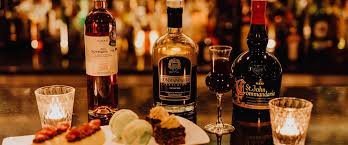
Commandaria is woven into the cultural fabric of Cyprus. Weddings, name days and religious festivals across the island often feature the wine, passed around in small glasses as a gesture of hospitality and honour.
- Weddings and festive tables: in many rural villages, Commandaria is poured alongside wedding koufeta (sugared almonds) and offered to guests during blessings.
- Easter celebrations: families often toast with Commandaria at the Easter table, pairing it with flaounes, the traditional Cypriot cheese-filled pastries.
- Feasts of the saints: during name days or local feasts for saints such as Agios Georgios or Panagia, Commandaria flows generously as families open their homes to neighbours and friends.
How far has Commandaria spread around the world?
Though rooted in Cyprus, Commandaria's reputation has spread internationally. It is a staple on many Mediterranean wine lists and increasingly sought after by sommeliers adding historical depth to their dessert wine selections.
- Exports: Commandaria is exported to markets across Europe, the Middle East and North America.
- Awards: many producers have won gold at international competitions, including the Decanter World Wine Awards and Mundus Vini.
- Museums and events: the Cyprus Wine Museum in Erimi has exhibitions on Commandaria's evolution, and annual wine festivals in Limassol and nearby villages celebrate the region's achievements.
Commandaria has outlived kingdoms and remains a golden thread in the story of Cypriot food and gastronomy.
Recommended for this guide
Contains affiliate linksFrequently asked questions
What makes Commandaria unique?
It is described as the world's oldest wine still in production, made with sun-dried Mavro and Xynisteri grapes and crafted in the same way for over 3,000 years.
Where is Commandaria made?
In 14 designated villages around Kolossi in the Limassol district, known as the Commandaria region.
What does Commandaria taste like?
It has rich notes of dried figs, caramel, honey and spice, similar to a sweet sherry or tawny port.
Can I visit Commandaria wineries in Cyprus?
Yes. Many wineries in the region offer tastings, and Kolossi Castle provides historical context.
Is Commandaria a good souvenir?
Yes. It is described as affordable, authentic and steeped in Cypriot gastronomy and heritage.