Quick answer
Winter in Cyprus (December to February) is mild and often sunny by day, with coastal highs of 17–19°C, but nights drop to about 8–11°C on the coast and 6°C in Nicosia, and the Troodos mountains are close to freezing with regular snow. Most of the year's rain falls in these months, in short, heavy spells. Many homes are built for summer, with tiled floors, little insulation and no central heating, so they can feel colder inside than out. Air-conditioning heat pumps are the most common way to heat, and a dehumidifier helps prevent damp and mould.
- Coastal winter days average 17–19°C and nights 8–12°C; Nicosia nights average about 6°C and can drop near freezing.
- December and January are the wettest months, with around 10–11 rainy days each on the south coast.
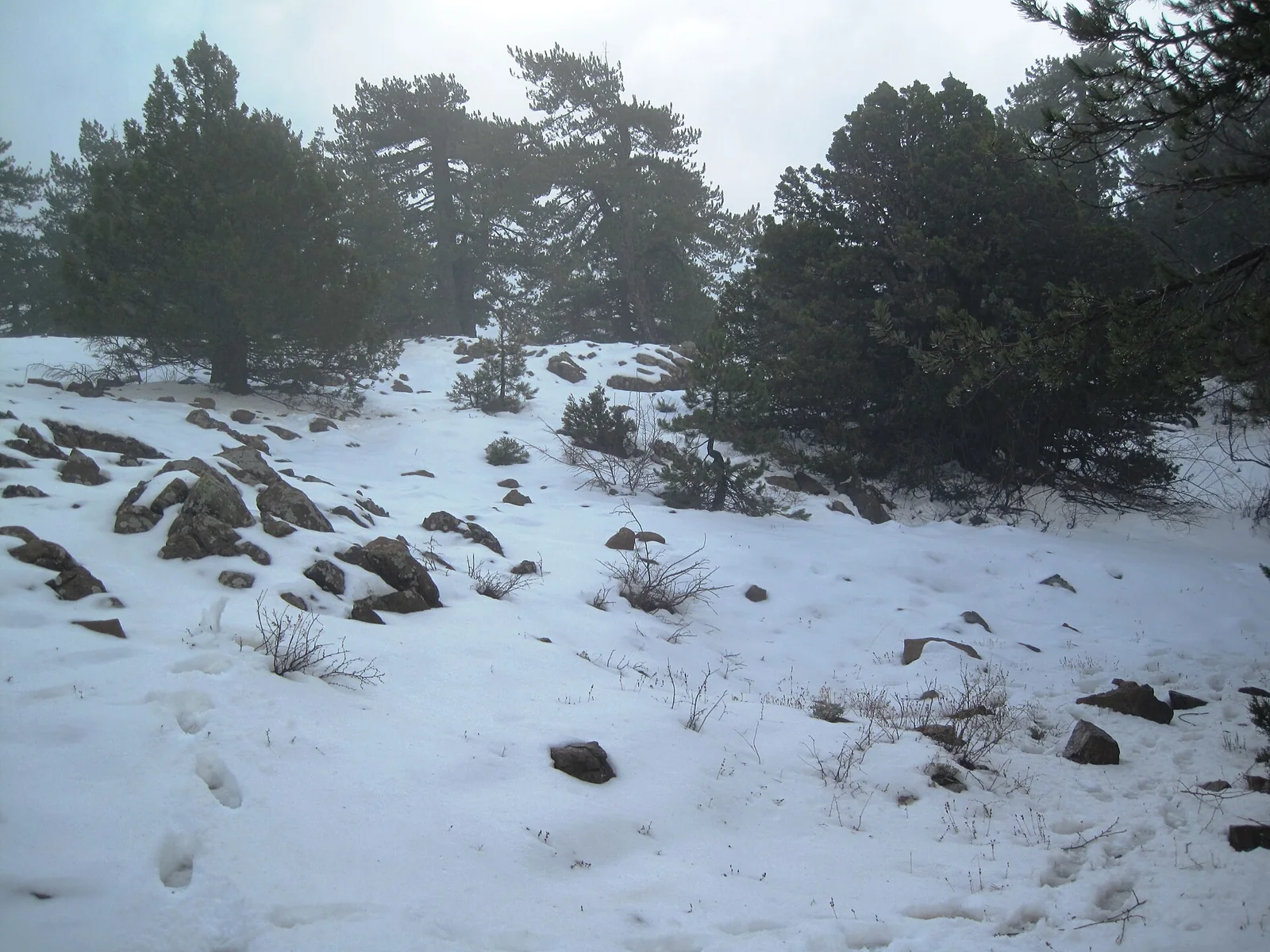
- The Troodos mountains average 6–8°C by day and around 1–3°C at night, with snow most winters.
- Homes built for summer heat often feel colder indoors than outdoors; plan for heating and warm layers.
- A dehumidifier and regular airing help prevent the damp and mould that are common in Cyprus homes in winter.
"You'll never need a coat in Cyprus" is one of the biggest myths newcomers hear. Winter here is short and often beautifully sunny, but it is real: nights are cold, the rain comes in heavy bursts, and many homes are built to keep heat out rather than in. Here's what to expect and how to stay comfortable.
Winter weather by town
| Daytime high | Night-time low | Rainy days a month | |
|---|---|---|---|
| Limassol | 18–19°C | 11–12°C | About 9–11 |
| Larnaca | 17–19°C | 8–10°C | Similar rainfall to Limassol |
| Paphos | 17–19°C | 9–10°C | Similar rainfall to Limassol |
| Nicosia | 16–18°C | 6–7°C | About 6–8 |
| Troodos (Prodromos, 1,380 m) | 6–8°C | 1–3°C | Wettest area, often snow |
Averages for December to February (1991–2020; Troodos 1981–2010). Cold spells can bring inland frost and coastal nights of 5°C or below.
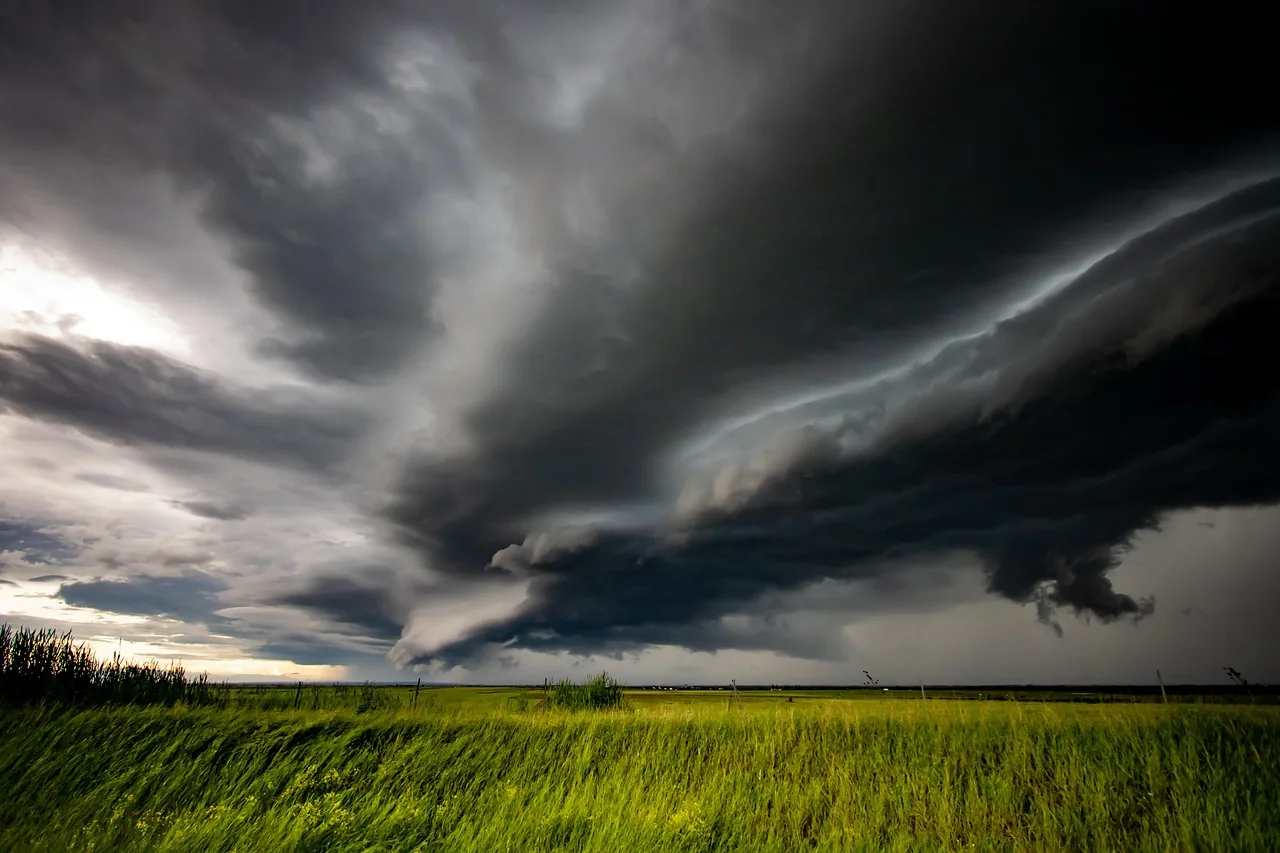
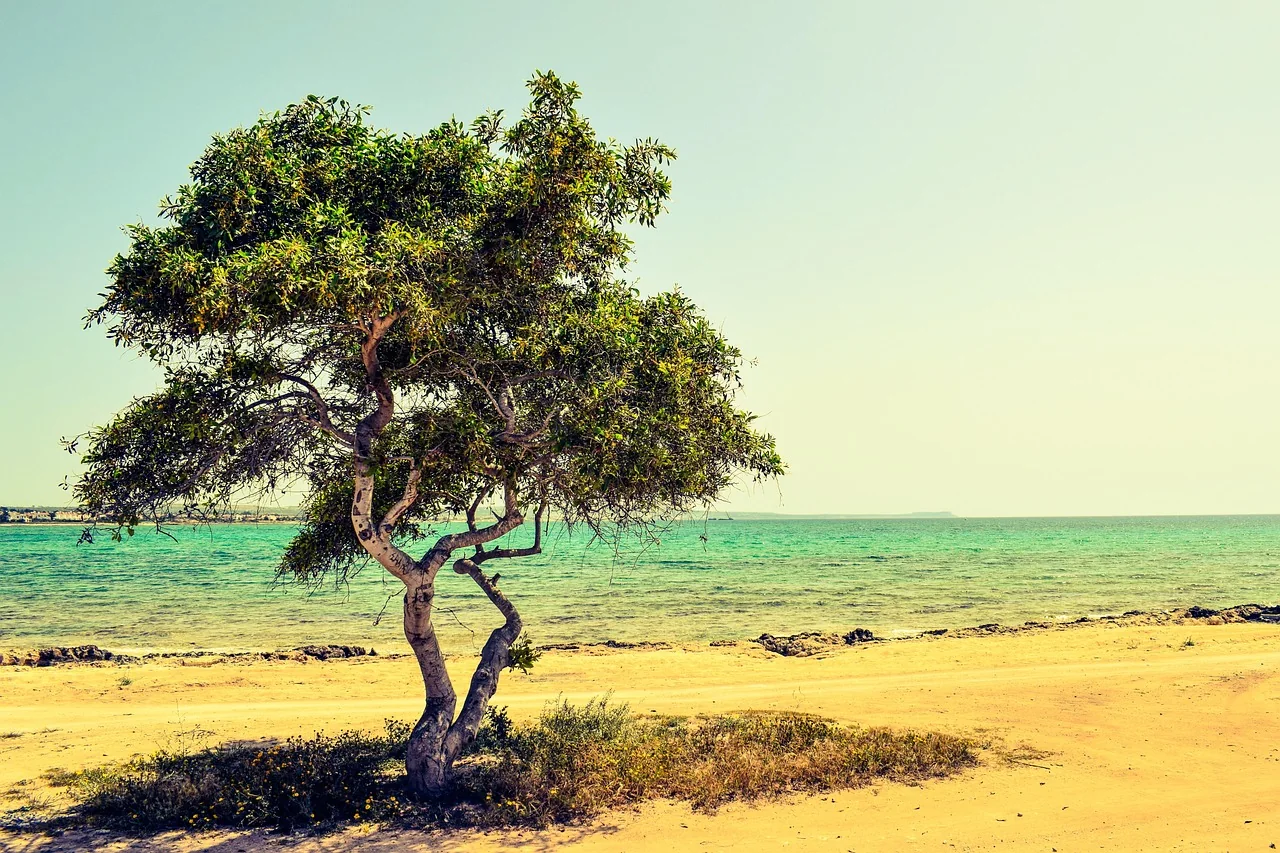
A typical winter week has several bright, calm days warm enough for a coffee outside at lunchtime, broken by a day or two of storms with heavy rain, wind and sometimes hail. The sun sets around 16:40 in December, so evenings feel long.
See the full picture in Cyprus weather month by month.
Why Cyprus homes feel cold
Most houses and flats are designed for the long, hot summer:
- tiled or marble floors that stay cold underfoot;
- concrete and stone walls with little or no insulation in older buildings;
- single glazing and draughty doors in many older homes;
- no central heating in a large share of homes, especially flats.
Indoors can feel colder than the sunny street outside. Newer buildings are better insulated and often have double glazing and underfloor heating, so ask about heating and insulation when you're renting or buying.
Ways to heat your home
| Heating | How it works | Good to know |
|---|---|---|
| Air-conditioning (heat pump) | The same units that cool in summer heat in winter | The most common and usually the most efficient option in Cyprus |
| Underfloor heating | Pipes or cables under the floor, often in newer homes | Very comfortable; slow to warm up, best left on low |
| Oil-fired central heating | A boiler and radiators, fuel delivered by tanker | Common in larger older houses; heating oil prices vary |
| Wood-burning stove or fireplace | Logs or pellets | Popular in villages and the mountains; very cosy |
| Gas or electric heaters | Portable, plugged in or with a gas bottle | Handy for one room; ventilate well with gas heaters |
Tips to keep the bills down:
- Heat the rooms you use and close the doors.
- Put rugs on tiled floors and thick curtains on windows.
- Have air-conditioning units serviced and filters cleaned before winter.
- Use timers so rooms warm up before you get up or come home.
Damp and mould
Damp is one of the most common winter complaints in Cyprus homes. Moisture from cooking, showers and drying laundry condenses on cold walls, especially in corners, wardrobes and behind furniture.
- Run a dehumidifier, especially in bedrooms and when drying clothes indoors.
- Air rooms for 10 minutes a day, even when it's cold.
- Keep furniture a few centimetres away from outside walls.
- Use extractor fans in kitchens and bathrooms.
- Treat any mould early with an anti-mould spray, and tell your landlord if it keeps coming back.
Rain, roads and snow
Winter storms can flood roads in minutes, and roads are slippery after long dry spells. Slow down, never drive through flowing water, and check the warnings before long journeys. In the mountains, roads can close after heavy snow or need snow chains. Our guide to weather warnings explains what to do in storms and floods.
What to wear
- A warm, waterproof jacket and an umbrella for stormy days.
- Jumpers, cardigans and warm slippers for indoors.
- A proper winter coat, hat and gloves if you're heading up to Troodos.
- Sunglasses all year: winter sun is low and bright.
The best of winter
Winter is also one of the loveliest times of the year: green hills, quiet beaches, clear views and Christmas markets.
- Snow in Troodos: skiing on Mount Olympus and snowy walks are an hour or so from the coast.
- Winter swimming: the sea rarely drops below 17°C, and a group of hardy swimmers can be found on most beaches every morning.
- Christmas and festivals: see our Christmas in Cyprus guide and festivals month by month.
- Hiking: cool, clear days are perfect for trails such as the E4.
Averages describe typical winters; check the forecast and warnings before travelling, especially to the mountains.
Recommended for this guide
Contains affiliate links Airalo
Prepaid eSIMs for Cyprus and 200+ countries: be online the moment you land.
Get an eSIM
Moving & settling in
Airalo
Prepaid eSIMs for Cyprus and 200+ countries: be online the moment you land.
Get an eSIM
Moving & settling in
 Babbel
Short daily language lessons. Useful for Greek basics and for brushing up before a move.
Try Babbel
Flights & car hire
Babbel
Short daily language lessons. Useful for Greek basics and for brushing up before a move.
Try Babbel
Flights & car hire
 Discover Cars
Compare car hire from local and international companies at Larnaca and Paphos airports.
Compare car hire
Discover Cars
Compare car hire from local and international companies at Larnaca and Paphos airports.
Compare car hire
Frequently asked questions
Is it cold in Cyprus in winter?
Outdoors, it's mild by northern European standards, with sunny days around 16–19°C. But nights are chilly, especially inland, and many homes have little insulation and no central heating, so indoors can feel cold without heating.
Does it snow in Cyprus?
Yes, in the Troodos mountains, usually from late December to March, often enough for skiing on Mount Olympus. Snow in the towns is very rare.
What is the best way to heat a house in Cyprus?
Most homes use air-conditioning units in heating mode (heat pumps), which are efficient in Cyprus's mild winters. Some houses have oil-fired central heating or underfloor heating, and wood-burning stoves are popular in villages and the mountains.
Why do Cyprus homes get damp in winter?
Concrete and stone houses with little insulation cool down at night, and moisture from cooking, showers and drying clothes condenses on cold walls. Heating regularly, airing rooms and running a dehumidifier keep damp and mould under control.