Quick answer
Cyprus has hot, dry summers and mild, wet winters, with around 3,300 hours of sunshine a year. On the coast, daytime highs average about 17–18°C in January and 31–34°C in July and August; inland Nicosia is cooler on winter nights (lows around 6°C) and much hotter in summer (highs around 37°C). Almost all rain falls between November and March, mostly in December and January. The sea is warmest in August at about 28°C and coolest in February at about 17°C. In the Troodos mountains, winter highs are only 6–8°C and snow is common from late December to March.
- Coast (Limassol): average highs 17.9°C in January and 33.7°C in August; inland Nicosia: 15.8°C in January and 37.5°C in July.
- Rain falls mostly from November to March; June to September is almost completely dry.
- Sea temperature off Limassol averages about 17°C in February and 28°C in August, and stays above 22°C from June to November.
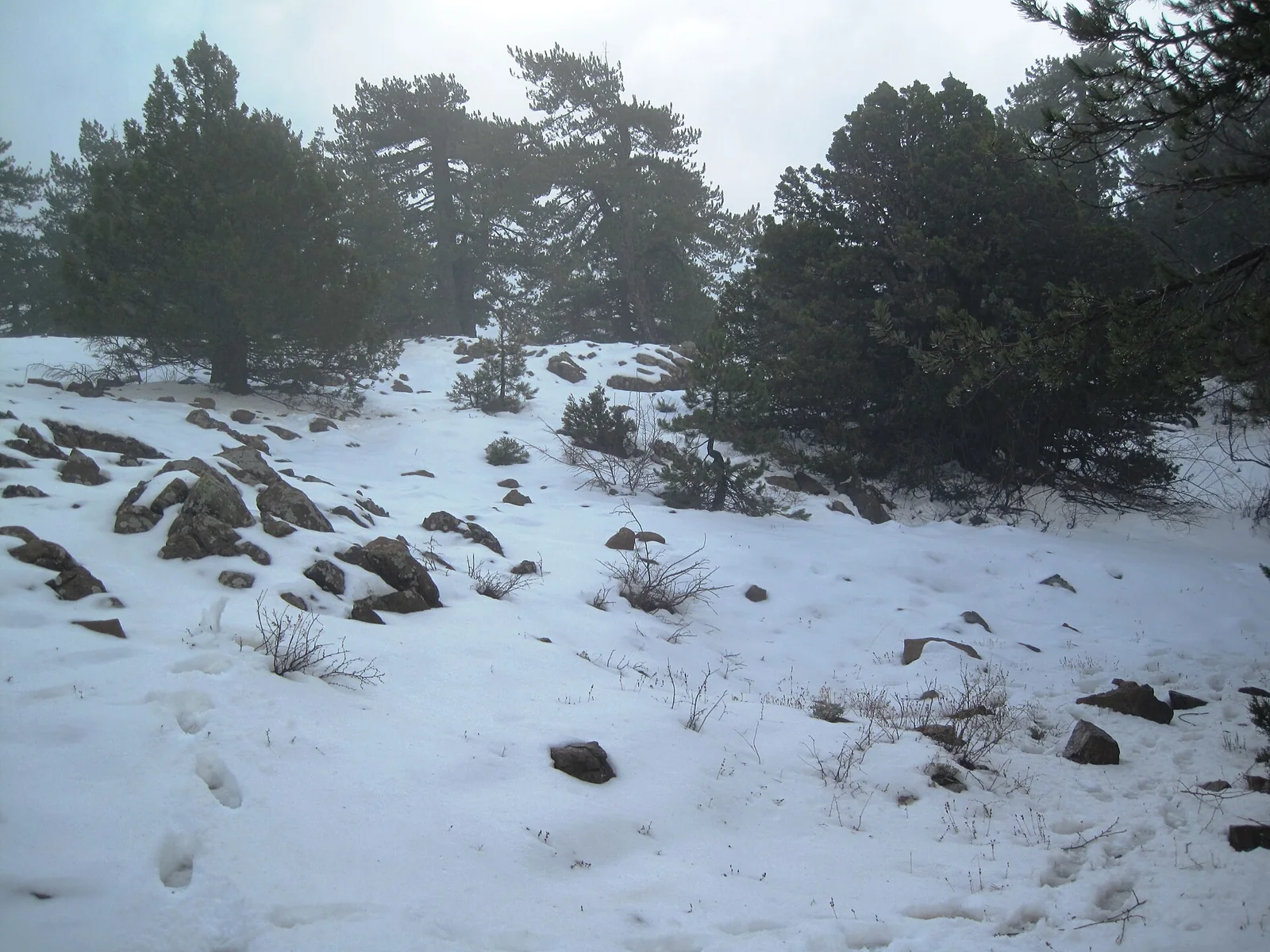
- Troodos (Prodromos, 1,380 m) averages 6–7°C by day and close to 0°C at night in January and February, with regular snow.
- Cyprus gets around 3,300–3,400 hours of sunshine a year: about 6 hours a day in winter and 11–12 in summer.
Cyprus is one of the sunniest places in Europe, and its weather shapes daily life more than most newcomers expect: long, hot summers spent by the sea, short springs full of wildflowers, and winters that are mild by day but chilly indoors. Where you live matters too. The coast, the inland plain around Nicosia and the Troodos mountains can feel like three different countries on the same day.
The figures below are long-term averages (1991–2020 for the towns, 1981–2010 for Troodos) from the Cyprus Department of Meteorology and the World Meteorological Organization. For today's weather and the forecast, see the weather box on our home page.
The year at a glance
| Season | Months | What to expect |
|---|---|---|
| Winter | December – February | Mild, sunny days between rainy spells; cold nights inland; snow in Troodos |
| Spring | March – May | Warm and green, wildflowers, occasional dust from North Africa |
| Summer | June – September | Hot, dry and cloudless; very hot inland; warm sea |
| Autumn | October – November | Still warm, the first rains, sea warm until November |
Average highs and lows by town (°C)
| Month | Nicosia | Limassol | Larnaca | Paphos | Troodos (Prodromos) |
|---|---|---|---|---|---|
| January | 16 / 6 | 18 / 11 | 17 / 8 | 17 / 9 | 6 / 1 |
| February | 17 / 6 | 18 / 11 | 18 / 8 | 18 / 9 | 7 / 1 |
| March | 20 / 8 | 20 / 12 | 20 / 9 | 19 / 10 | 10 / 3 |
| April | 25 / 11 | 23 / 14 | 23 / 12 | 22 / 12 | 16 / 7 |
| May | 30 / 15 | 27 / 17 | 27 / 16 | 25 / 15 | 20 / 11 |
| June | 34 / 20 | 31 / 21 | 31 / 20 | 28 / 19 | 25 / 15 |
| July | 38 / 23 | 34 / 24 | 33 / 23 | 30 / 21 | 28 / 18 |
| August | 37 / 23 | 34 / 25 | 33 / 23 | 31 / 22 | 28 / 18 |
| September | 34 / 19 | 31 / 22 | 31 / 21 | 29 / 20 | 25 / 15 |
| October | 29 / 16 | 28 / 19 | 28 / 18 | 27 / 17 | 19 / 11 |
| November | 23 / 11 | 24 / 16 | 23 / 13 | 23 / 13 | 13 / 6 |
| December | 18 / 7 | 19 / 12 | 19 / 10 | 19 / 10 | 8 / 3 |
Average daily high / average night-time low, rounded. Nicosia: Athalassa station; Larnaca and Paphos: the airports; Troodos: Prodromos village at 1,380 m.
What the numbers mean in practice: Nicosia has the widest swings, cooler than the coast on winter nights and up to 4°C hotter on summer afternoons. Paphos is the mildest in summer thanks to the sea breeze. Limassol has the warmest nights all year round.
Rain and sunshine
| Month | Rain in Limassol (mm) | Rainy days | Sunshine (hours a day) |
|---|---|---|---|
| January | 87 | 10 | 6.3 |
| February | 67 | 9 | 7.6 |
| March | 36 | 6 | 7.9 |
| April | 18 | 4 | 9.0 |
| May | 5 | 2 | 11.1 |
| June | 1 | 0–1 | 12.7 |
| July | 0 | 0 | 12.6 |
| August | 0 | 0 | 11.8 |
| September | 3 | 1 | 10.5 |
| October | 13 | 3 | 9.2 |
| November | 78 | 6 | 7.5 |
| December | 100 | 11 | 6.0 |
Rainy days are days with at least 1 mm of rain. Limassol gets about 400 mm a year, Nicosia about 340 mm and Troodos more than double, around 800 mm, much of it as snow.
Sea temperature
| Month | Average sea temperature (Limassol) |
|---|---|
| January – March | 17–18°C |
| April | 18°C |
| May | 21°C |
| June | 24°C |
| July | 27°C |
| August | 28°C |
| September | 27°C |
| October | 25°C |
| November | 22°C |
| December | 20°C |
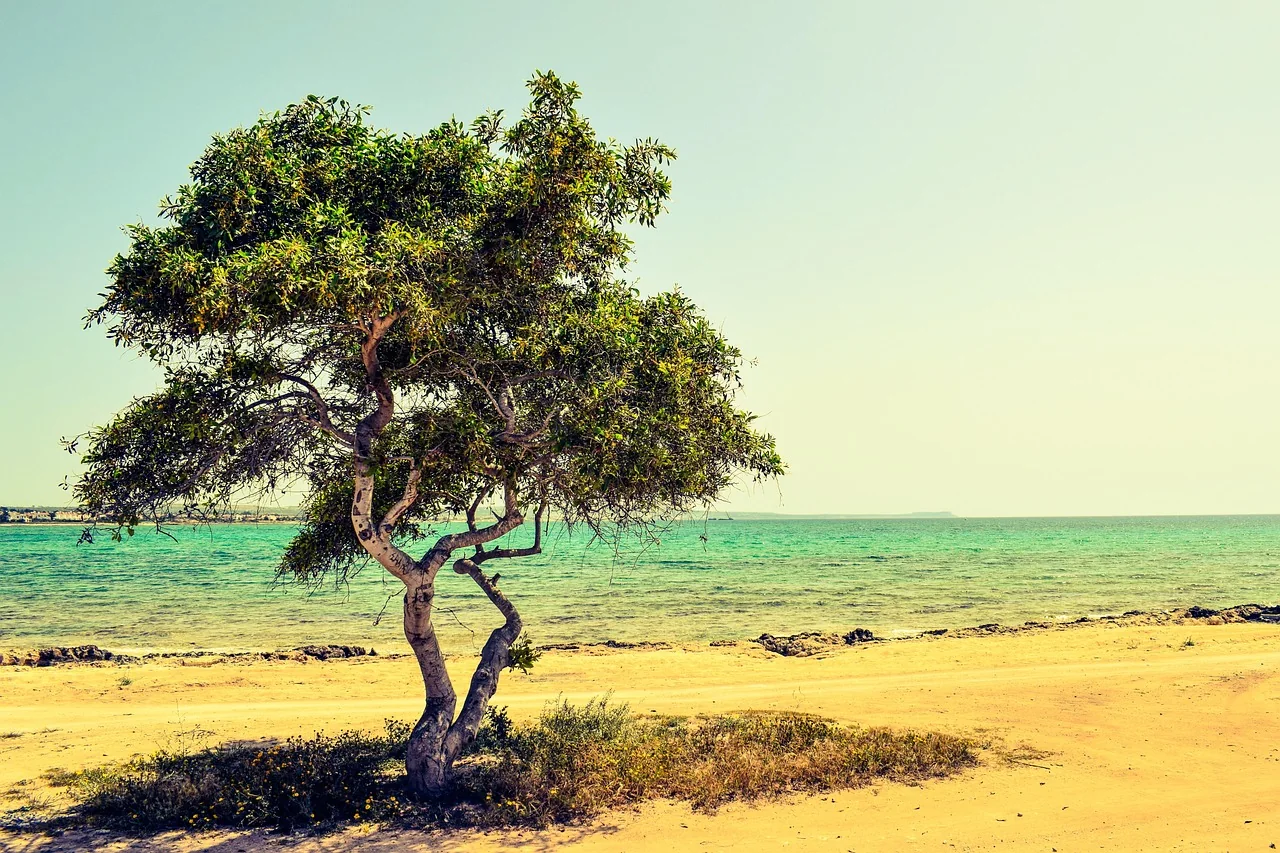
The sea stays above 22°C from June to November, which makes October one of the best swimming months: warm water, smaller crowds and cooler afternoons. See our guide to Blue Flag beaches to choose where to swim.
Month by month
January and February
The coolest and wettest months. Sunny days of 16–18°C alternate with storms that bring heavy rain and wind. Nights are chilly, especially inland, and most homes need heating. Troodos is usually snowy, and February is often the best month for skiing on Mount Olympus. Almond trees blossom from late January into February.
March and April
Spring arrives early. The countryside turns green, wildflowers cover the hills, and days are pleasantly warm. Rain becomes less frequent. Dust episodes, when sand blows over from North Africa or the Middle East, are most common in spring and can turn the sky hazy for a day or two.
May
Perfect weather for most people: warm, sunny and dry, with the sea warming up for the first swims. Inland temperatures already reach 30°C by the end of the month.
June to August
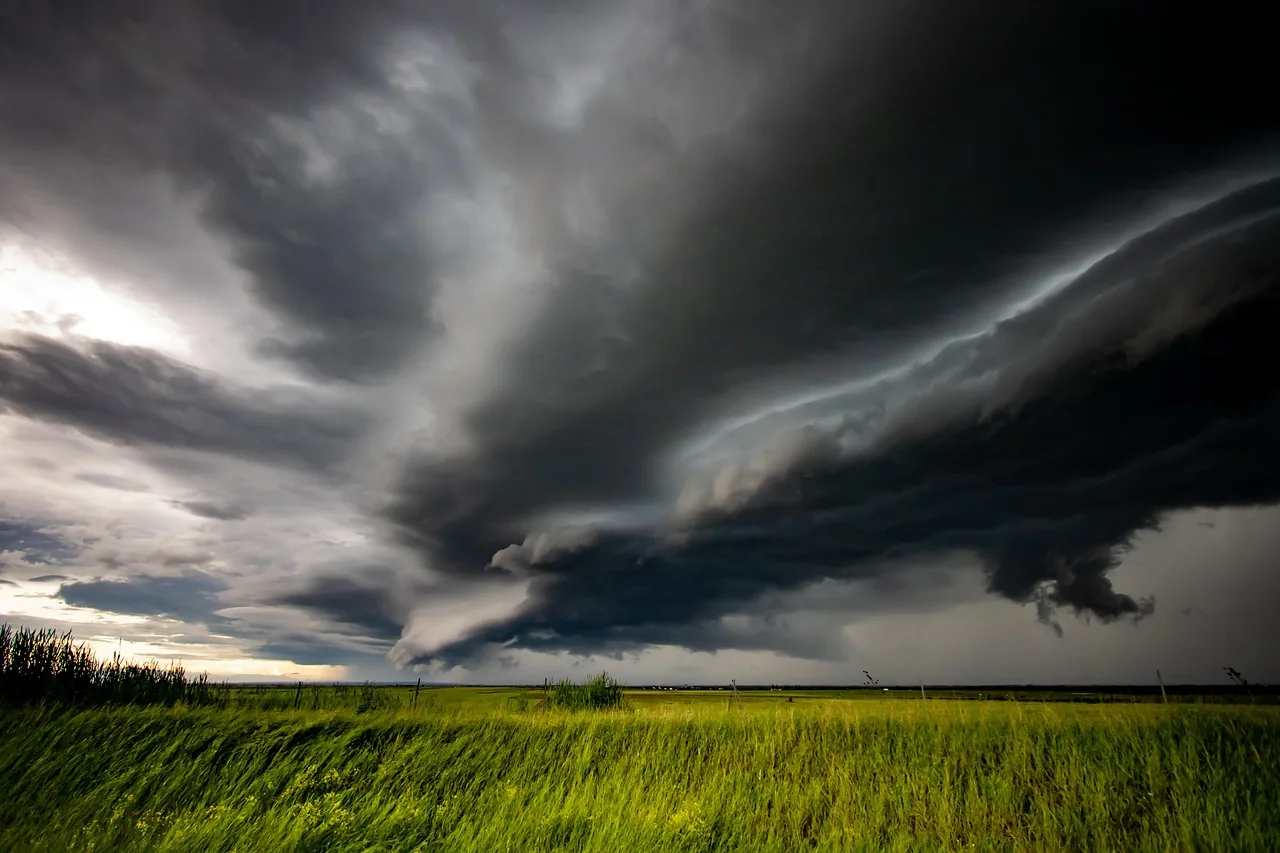
Summer means clear skies every day, almost no rain and long, hot afternoons. The coast stays in the low 30s with humid nights; Nicosia often reaches 37°C or more, and heatwaves can push inland temperatures above 40°C. Plan outdoor activities for early morning or evening, and read our summer survival guide.
September and October
Still summer in all but name. September is hot, October is warm and gentle, and the sea is at its warmest. The first autumn rains usually arrive in October, sometimes as short, heavy thunderstorms.
November and December
Temperatures drop and the rains return, but sunny days of 18–24°C are common. December is often the wettest month of the year. Snow usually starts in the Troodos mountains before Christmas.
Coast, inland or mountains: where is the weather best?
| Coast (Limassol, Larnaca, Paphos, Ayia Napa) | Inland (Nicosia) | Mountains (Troodos) | |
|---|---|---|---|
| Summer | Hot and humid, sea breeze | Very hot and dry | Pleasantly warm, cool nights |
| Winter | Mild, rarely below 8°C at night | Cold nights, occasional frost | Cold, snowy, roads can close |
| Best for | Year-round mild climate, the beach | Those who don't mind the heat | Summer escapes and winter snow |
Choosing where to live? Our area finder and city guides compare the towns on much more than the weather.
Practical tips
- Pack layers for winter: days can be warm, but stone houses are cold, so bring jumpers and plan for heating.
- Respect the summer sun: high-factor sunscreen, a hat and shade at midday from May to September.
- Check warnings: the Department of Meteorology issues yellow, orange and red warnings for heat, storms and wind.
- Get a weather app that covers Cyprus, or check the forecast on our home page.
Averages describe typical years; individual days and seasons can be much hotter, colder or wetter.
Recommended for this guide
Contains affiliate links Airalo
Prepaid eSIMs for Cyprus and 200+ countries: be online the moment you land.
Get an eSIM
Moving & settling in
Airalo
Prepaid eSIMs for Cyprus and 200+ countries: be online the moment you land.
Get an eSIM
Moving & settling in
 Babbel
Short daily language lessons. Useful for Greek basics and for brushing up before a move.
Try Babbel
Flights & car hire
Babbel
Short daily language lessons. Useful for Greek basics and for brushing up before a move.
Try Babbel
Flights & car hire
 Discover Cars
Compare car hire from local and international companies at Larnaca and Paphos airports.
Compare car hire
Discover Cars
Compare car hire from local and international companies at Larnaca and Paphos airports.
Compare car hire
Frequently asked questions
What is the hottest month in Cyprus?
July and August. Average highs are around 33–34°C on the south coast and about 37°C in Nicosia, and heatwaves can push inland temperatures past 40°C.
What is the coldest month in Cyprus?
January and February. On the coast, days average around 17–18°C and nights 8–11°C; inland nights in Nicosia drop to about 6°C, and the Troodos mountains are close to freezing at night.
When does it rain in Cyprus?
Mainly from November to March, with December and January the wettest months. Rain usually comes in short, heavy spells between sunny days. From June to September it hardly rains at all.
When is the sea warm enough to swim in Cyprus?
Most people swim from May or June to November, when the sea is above about 21–22°C. Hardy swimmers carry on all year, as the sea rarely drops below 16–17°C.
Does it snow in Cyprus?
Yes, in the Troodos mountains, usually from late December to March. Snow on the coast and in Nicosia is very rare.
Useful resources
- Cyprus Department of Meteorology
- Wikipedia – Limassol climate data (Cyprus Meteorological Service, 1991–2020)
- Wikipedia – Nicosia (Athalassa) climate data (WMO/NOAA normals, 1991–2020)
- Wikipedia – Larnaca climate data (NOAA normals, 1991–2020)
- Wikipedia – Paphos climate data (NOAA normals, 1991–2020)
- Wikipedia – Prodromos climate data (Cyprus Department of Meteorology, 1981–2010)
- Visit Cyprus – Climate and weather