

Quick answer
Cyprus suits outdoor sports year-round, with hiking in the Akamas Peninsula, Troodos Mountains and Cape Greco, snorkelling and diving around Cape Greco and Protaras, sea kayaking from Coral Bay, cycling from Paphos, and climbing near Paphos and Akamas. The best period for hiking is October to April, when temperatures sit around 20°C.
- The best time for outdoor activities is October to April, with temperatures around 20°C. Summer can reach 35°C.
- The Adonis Nature Trail in Akamas is a 7.5 km loop that typically takes 3 to 4 hours.
- The Museum of Underwater Sculpture at Katsarka Beach holds more than 90 submerged statues.
- Mountain biking in the Troodos is best from April to November.
- Four operators are listed for climbing, cycling, hiking and water sports.
Cyprus combines varied landscapes, attractive coastlines and plenty of sunshine, which makes it a strong destination for outdoor pursuits. You can walk long trail networks, try water activities, ride demanding mountain bike routes or test your climbing ability, all while seeing the island's natural scenery and cultural history.
Where can you hike in Cyprus?
Akamas Peninsula
The Akamas Peninsula is counted among the few remaining unspoiled shorelines in the Mediterranean, with rich wildlife and dramatic scenery. The Adonis Nature Trail is a 7.5 km loop that typically takes 3 to 4 hours and starts close to the Bath of Aphrodite. Early on, the route climbs steeply through dry scrub, where you may spot wildlife such as red crested lizards. A highlight is a 500-year-old oak tree, which offers shade and a source of fresh water.
Troodos Mountains
The Troodos Mountains have calm walking paths and beautiful views:
- The Artemis Trail loops around Chionistra at 1,850 m and takes its name from the goddess Artemis.
- The Atalanti Nature Trail begins and finishes at Troodos Square.
- The Kalidonia Trail leads to a waterfall in Pano Platres.
- Other routes include Psilo Dentro to Pouziaris and Ydrodexameni to Prodromos.
Coastal walks and nature reserves
Cape Greco National Park is well suited to coastal hiking. Its trails run along the east coast and include sections of the European E4 Trail. The area has sea caves, natural rock arches and blue lagoons, and its white limestone cliffs create striking views over the Mediterranean.
When is the best time to hike, and how hard are the trails?
The best period for hiking in Cyprus runs from October to April, when temperatures sit around 20°C. Trails are graded into three difficulty levels: Level 1 trails have gentle gradients, Level 2 trails present moderate challenges, and Level 3 trails are the most demanding, with steep sections and rough ground.
Where can you snorkel, dive and kayak?
Snorkelling and diving
The southeastern tip of Cyprus, particularly around Cape Greco, is a leading snorkelling area. Green Bay in Protaras has clear water where you can see green sea turtles and underwater statues. Other well-known spots include Sirena Bay and Konnos Beach. The Museum of Underwater Sculpture at Katsarka Beach contains more than 90 submerged statues, which draw many species of fish.
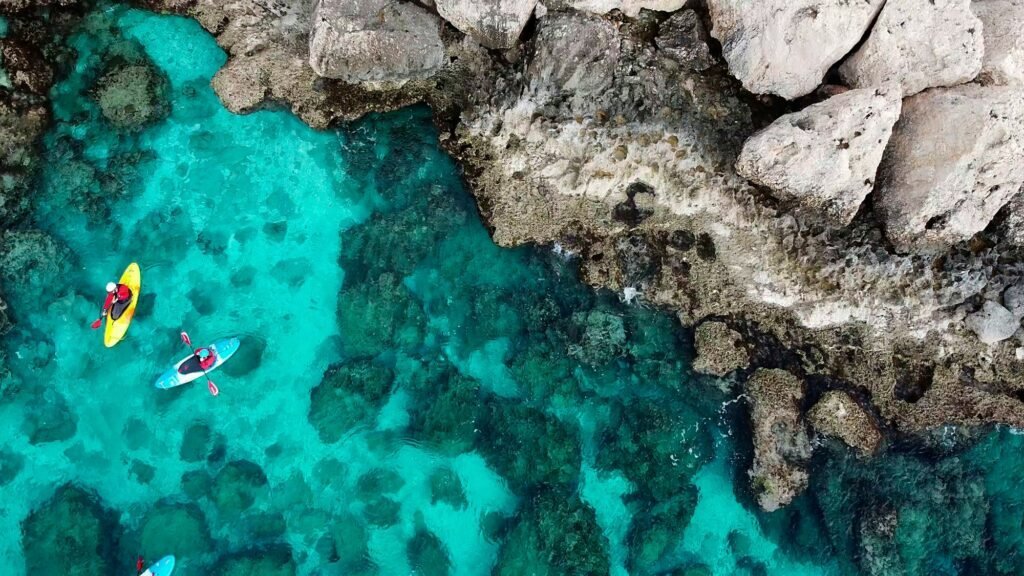
Sea kayaking around Yeronisos Island
The full-day kayaking trip to Yeronisos is an excellent way to explore the Paphos coastline. It departs from Coral Bay beach and covers 10 nautical miles, passing shipwrecks, an ancient harbour and hidden sea caves. Basic swimming ability is essential, and children under 12 must be accompanied by a parent. The tour includes professional guides and safety measures.
Sailing and yacht charters
Yacht charters provide a way to explore the Mediterranean, with motorboats, catamarans and schooners available for different group sizes and occasions. Activities on a sailing trip can include diving, jet skiing or fishing, and professional crews keep everything running smoothly.
Where can you cycle and mountain bike?
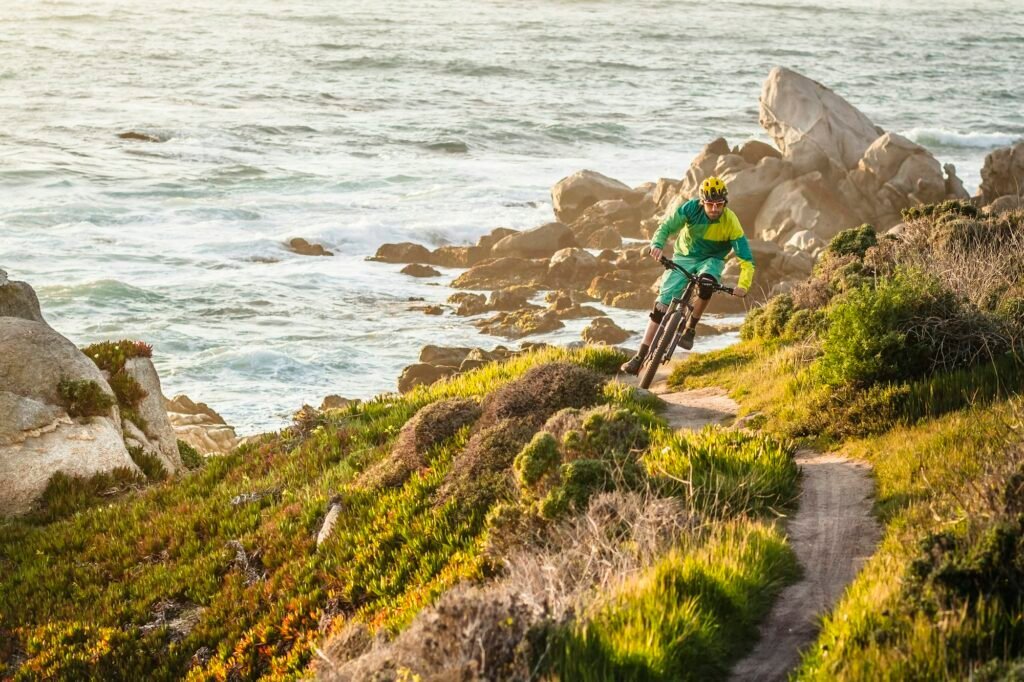
Road cycling from Paphos
Paphos is a strong base for cyclists. Routes reach destinations including the Akamas Peninsula, the Troodos Mountains and Polis. The roads are of high quality and carry little traffic. One well-regarded route starts 7 km from Paphos airport and follows the Diarizos riverbed. It offers views of Mount Olympus and finishes with a descent toward Pissouri Bay.
Mountain biking in the Troodos
The Troodos region is a haven for mountain bikers, especially from April to November, with hundreds of kilometres of dirt tracks and single trails. From Olympus peak, riders can head toward villages, the Macheras forest or the Pafos Forest.
Guided cycling tours
Professional guides run cycling tours across Cyprus, adapted to each rider's needs and fitness level, with a support vehicle carrying water and snacks. Tours run mostly from October to April, when temperatures are most comfortable. The relative lack of strong headwinds also makes Cyprus attractive for cycling.
Where can you go rock climbing and caving?
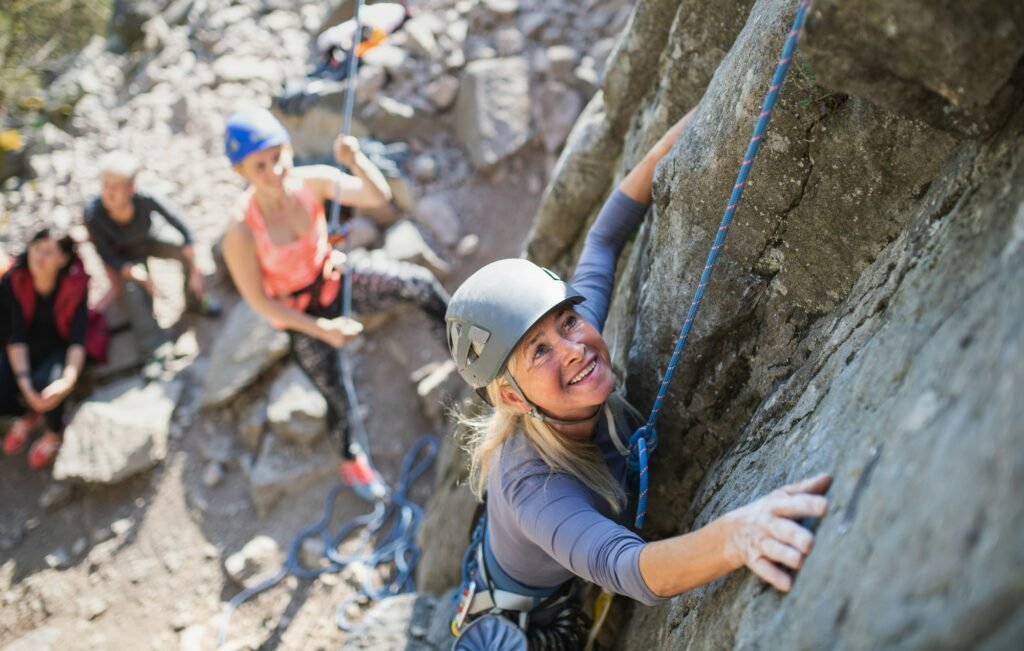
Climbing spots
The island has varied rock for climbing, including limestone and sandstone formations. The Paphos and Akamas district has many cliffs suited to climbers at every level. Dhiarizos is a notable limestone crag with routes from beginner-friendly to demanding, and it is well bolted.
Caving
Cyclops Cave at Cape Greco is a little-known gem. Legend says it once sheltered a one-eyed giant. The cave has two openings, so visitors can enter from one side and leave from the other. The nearby area has appealing underwater scenery and is popular with divers. Sturdy footwear is advised because the ground is rocky and can be muddy.
Guided climbing
Professional guides keep climbers safe while helping them build skills. They know which spots stay out of direct sun, so climbing remains possible in hot weather. Beginners learn basic techniques and safety practice, while more advanced climbers receive advice on demanding routes.
Which companies run outdoor activities in Cyprus?
- Rock climbing and caving: Cyprus Climbing
- Cycling and mountain biking: Ride Cyprus
- Hiking: Cyprus Walks
- Water sports: Latchi Watersports Centre
What should you wear and expect?
Wear comfortable, sturdy footwear, preferably hiking boots, with lightweight, breathable clothing, a hat and sunglasses. Carry plenty of water, sunscreen and a map or GPS device. Most hiking trails and nature reserves are free to access, though some guided tours and activities charge fees. Activities can be booked through tour operators and travel agencies in Cyprus, and many offer online booking.
Recommended for this guide
Contains affiliate linksFrequently asked questions
When is the best time to visit Cyprus for outdoor activities?
The best period is October to April, with mild temperatures around 20°C. Summer can be very hot, with temperatures reaching 35°C.
What are the difficulty levels of hiking trails in Cyprus?
Trails are graded into three levels. Level 1 trails have gentle gradients, Level 2 trails present moderate challenges, and Level 3 trails are the most demanding, with steep sections and rough ground.
Do I need to bring my own equipment?
Many tour operators supply good-quality gear for hiking, cycling, diving and climbing. It is worth asking your tour provider what is available.
Is Cyprus safe for solo travellers taking part in outdoor activities?
Yes, but take precautions such as telling someone your plans and carrying a charged phone. Joining guided tours can enhance safety.
Are there restrictions on water sports in Cyprus?
Basic swimming ability is required for most water sports. Age restrictions may apply, and children under 12 often need to be accompanied by a parent.


