Summarise this page 12 key points · 1 minute
- What is GESY?GESY is Cyprus's universal healthcare system, launched in 2019, covering GPs, specialists, labs, hospitals and pharmacies for everyone legally living in Cyprus.
- Who can access GESY?Eligibility depends on legal residence and status, with working EU citizens, MEU3 holders and S1 holders covered, but a rental contract alone is not enough.
- How do you sign up for GESY?Create an account on the GESY Beneficiary Portal, register with a GP and sign the mutual acceptance form, with approval usually taking a couple of weeks.
- What services does GESY cover?GP visits are free, a referred specialist visit costs €6, A&E €10, and co-payments are capped at €150 a year.
- How do prescriptions work?Most community pharmacies dispense GESY prescriptions for €1 per item, while non-essential drugs not on the GESY list are paid in full.
- Is dental and eye care covered?GESY does not usually cover dental or eye care unless medically necessary, so many expats pay privately or rely on insurance.
- What should you do in an emergency?Dial 112, or 199 for an ambulance, and expect a €10 GESY co-payment for A&E unless you are admitted.
- What is it like to use GESY day to day?GESY removes worries about large bills, and the GESY website and most GP clinics offer services in English.
- What about visitors and temporary residents?Short-term tourists are not eligible and need travel insurance, while temporary residents should check their eligibility with the GESY helpline.
- Should you keep private insurance as well as GESY?Private insurance can add shorter waits, private hospital access and dental or optical cover, but many residents rely on GESY alone.
- How can you make the most of GESY?Choose your GP carefully, keep your portal details up to date, download the GESY app and use referrals wisely.
- Why does GESY matter for expats?GESY gives expats affordable, quality care, and your residency status determines eligibility, so make it a priority for a long-term stay.
Quick answer
GESY (also called GHS) is the General Healthcare System of Cyprus, a universal system launched in 2019 to give everyone legally living in Cyprus affordable healthcare. Eligibility depends on legal residence and whether you are an EU or non-EU national. Registration involves creating an account on the GESY website, choosing a GP and submitting documents. GP visits are free, and most other services carry small co-payments capped at 150 euros a year.
- GESY launched in 2019 and covers GPs, specialists, labs, hospitals, pharmacies and rehabilitation.
- Non-EU permanent residents need at least 12 months of residence before applying.
- GP visits are free; a specialist visit costs €6 with a GP referral or €25 without one.
- Tourists are not eligible and need travel insurance.
- Some residents keep private insurance for faster specialist access and dental and optical cover.
- Emergency numbers: 112, or 199 for an ambulance.
What is GESY?
GESY, also called the GHS, is the General Healthcare System of Cyprus. It is a universal healthcare model launched in 2019 to provide comprehensive, affordable and accessible care to everyone legally living in Cyprus. Unlike private insurance, it is designed to be inclusive.
Key features:
- Open to all eligible residents, regardless of income.
- Services are mostly free or carry small co-payments.
- Covers GPs, specialists, labs, hospitals, pharmacies and rehabilitation.
Who can access GESY?
Eligibility depends mainly on legal residence in Cyprus and whether you are an EU or non-EU national. There is some paperwork involved.
General requirements
- You must live in an area controlled by the Republic of Cyprus.
- Dependants (spouse, minor children and students up to age 26) can be covered once you are registered.
EU nationals
- Employed EU citizens working in Cyprus are eligible.
- MEU1 holders are eligible if employed or if they present an S1 form from their home country.
- MEU3 holders are eligible even if not working and without an S1.
Non-EU nationals
- Permanent residency (Category F or Regulation 6(2)): permanent residents are eligible once their status appears in the Civil Registry and Migration Department records. Earlier guidance also mentioned a 12-month residence requirement, so confirm your case with the GESY contact centre.
- Other residence permits: non-EU nationals who work in Cyprus and pay contributions, and their registered dependants, are also covered. A rental contract or a long stay on its own is not enough.
- British citizens with an S1 (common among retirees) need:
- A copy of their ARC (Alien Registration Certificate)
- A signed GESY enrolment form
- Proof of ordinary residence (utility bills, rental contracts and so on)
- The white medical card from the Ministry of Health, for which the S1 must be submitted
What does ordinary residence mean?
Ordinary residence means you actually live in Cyprus, not just visit. Possible proof includes:
- Utility bills in your name
- Lease or property agreements
- School enrolment for children
- Tax documents or employment contracts
If you are unsure whether your documents are sufficient, call the GESY hotline on 17000 or +357 22017000.
How do you sign up for GESY?
- Gather your documents, including proof of residence and any required forms such as the S1.
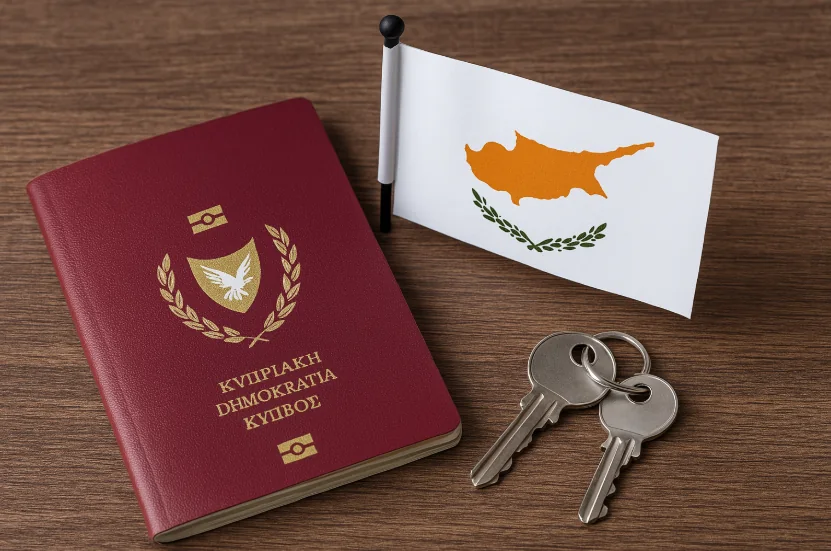
- Visit the GESY website and create an account on the Beneficiary Portal to submit your enrolment request.
- Register with a General Practitioner (GP) in your area.
- If the system cannot verify you automatically, print the request and send it with your supporting documents to the Health Insurance Organisation.
- Once your doctor accepts you, visit the practice to confirm your details and sign the mutual acceptance form. Approval usually takes a couple of weeks.
If you work in Cyprus, contributions (2.65% for employees) are deducted automatically from your salary; pensioners pay 2.65% on their pension and the self-employed pay 4%. There is no separate GESY card: you identify yourself with your ID card or residence document. Children can be registered with a paediatrician as their personal doctor.
What services does GESY cover?
GESY covers far more than emergencies.

- GP visits
- Specialist consultations (often requiring a GP referral)
- Lab tests and diagnostics
- Hospital services
- Prescriptions
- Preventative healthcare
- Physiotherapy and rehabilitation
Visits to your personal doctor (GP) are free. Other services carry small co-payments: €6 for a specialist visit with a GP referral (€25 if you go without a referral), €1 per lab test, €1 per prescription item and €10 for A&E. Hospital stays have no co-payment. Co-payments are capped at €150 a year, or €75 for children up to 21, low-income pensioners and minimum-income recipients. These costs are far below typical private bills.
How do prescriptions work?
- GESY pharmacies: most community pharmacies are contracted to GESY and dispense GESY prescriptions for €1 per item, which counts towards the €150 annual cap.
- Hospital pharmacies: some specialist medicines are supplied through public hospital pharmacies.
- Not covered: non-essential drugs and products not on the GESY list are paid in full.
Prescriptions from public and private doctors are accepted at pharmacies in Cyprus.
Is dental and eye care covered?
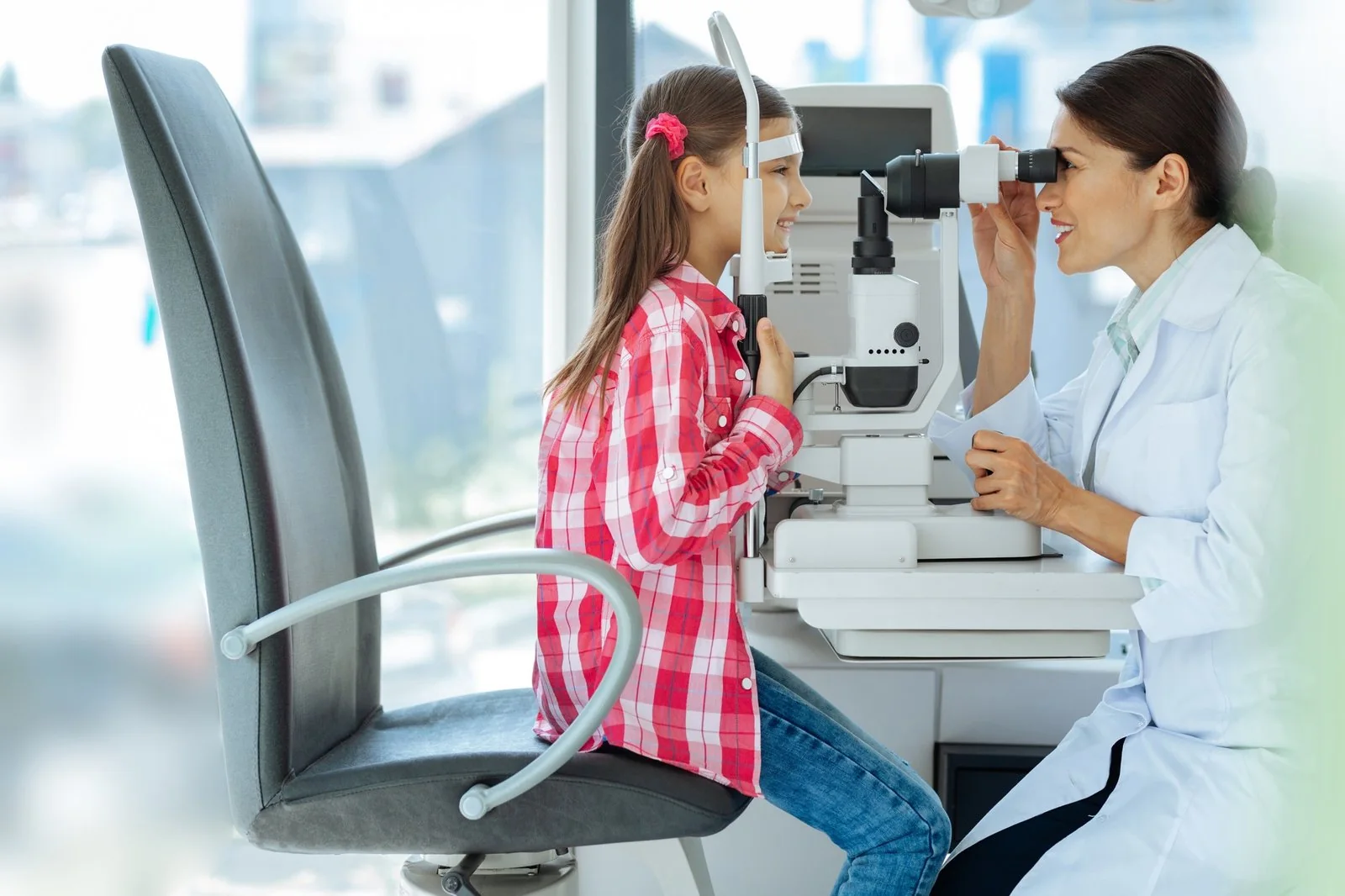
GESY does not usually cover dental or eye care unless the treatment is medically necessary, so many expats pay privately or rely on their health insurance. Dentists offer the full range of treatments, from cleanings and fillings to cosmetic work, and many opticians and private clinics offer eye tests, glasses and contact lenses.
What should you do in an emergency?
Dial 112, or 199 for an ambulance. Ambulances are stationed across the island, and public hospitals are equipped to handle emergencies. A&E visits under GESY carry a €10 co-payment unless you are admitted. See our health and safety tips for hospital A&E numbers and night pharmacies.
What is it like to use GESY day to day?
GESY offers peace of mind, with no worry about large bills or being refused over pre-existing conditions. The system is user-friendly, and the GESY website and most GP clinics offer English-language services.
For example, if you have just moved to Larnaca and your child has a fever, you can call your registered GP, often book a same-day appointment, and get care without dealing with private hospitals or insurance questions.
What about visitors and temporary residents?
- Short-term tourists are not eligible and need travel insurance.
- Temporary residents may or may not qualify depending on the length and type of stay. Check with the GESY helpline.
If you plan a longer stay, start your GESY application as soon as you are eligible.
Should you keep private insurance as well as GESY?
It depends on individual circumstances. GESY provides solid baseline coverage, while private insurance can offer faster specialist access, coverage abroad or supplementary benefits.
Reasons some people keep private insurance:
- Shorter waits for certain services
- Access to private hospitals and clinics, with single rooms
- Direct booking with private specialists, without a GP referral
- Coverage for elective surgery and for dental and optical care not fully covered by GESY
International insurers such as Bupa Global offer plans for expats that cover treatment in Cyprus and may include emergency medical evacuation; supplemental policies fill gaps such as private hospital stays, dental work or optometry. Premiums depend on the level of cover, your age and the provider.
Many residents rely on GESY alone, so the choice depends on personal health needs and preferences.
How can you make the most of GESY?
- Choose your GP carefully, as they are your first point of contact.
- Keep contact details up to date on the GESY portal.
- Download the GESY app to book appointments more easily.
- Use referrals wisely, since they open the door to specialist care.
- Stay informed via the GESY site or your GP about new services.
Why does GESY matter for expats?
GESY combines quality care, affordability and inclusivity, which matter when building a new life. Whether you are retiring in Paphos, working in Nicosia or enjoying coastal life in Limassol, GESY provides valuable security for you and your family. Your residency status determines your eligibility, so for a long-term stay make it a priority.
Frequently asked questions
Can you register with GESY without a job in Cyprus?
Yes, depending on your residency status. MEU3 holders and non-EU permanent residents (after 12 months) may qualify even if unemployed.
What documents do you need to register with GESY?
Typically proof of residence, your ARC, a completed GESY enrolment form and, for some applicants, an S1 or medical card.
How much does GESY cost?
It is funded through contributions on income (2.65% for employees and pensioners, 4% for the self-employed, plus employer and state contributions). GP visits are free; co-payments such as €1 per lab test or prescription item, €6 per referred specialist visit and €10 for A&E are capped at €150 a year (€75 for children, low-income pensioners and minimum-income recipients).
Can you use GESY for emergencies?
Yes. Emergency services are covered at the A&E department of a participating hospital, with a €10 co-payment unless you are admitted.
Is GESY available across Cyprus?
It covers the entire area controlled by the Republic of Cyprus, including major towns and most villages.
Is dental and eye care covered by GESY?
Not usually, unless the treatment is medically necessary. Many expats pay privately or use private health insurance for dentists and opticians.
What should you do in a medical emergency in Cyprus?
Call 112, or 199 for an ambulance. Ambulances are stationed across the island and public hospitals are equipped to handle emergencies.