Cypriot products

Living in Cyprus means market stalls, village shops and festivals full of products you will not find anywhere else, and knowing what they are makes shopping, cooking and gift-buying far more rewarding. Several carry EU quality labels: PDO (Protected Designation of Origin) means a product is made entirely in a defined area by a traditional method, while PGI (Protected Geographical Indication) means at least one stage of production happens in the named place.

Halloumi, a traditional Cypriot productEU PDO · 2021
Photo: Hmioannou · CC BY 3.0

Cheese & dairy

Halloumi Χαλλούμι

Cyprus's best-known cheese is a semi-hard white cheese made mainly from sheep's and goat's milk, sometimes with cow's milk added, which is heated in its own whey, folded and stored in brine. Its high melting point means it browns rather than runs when it meets a hot pan or grill.
How to enjoy it
Locals grill or fry it in thick slices, eat it fresh with watermelon in summer, and grate the drier, aged version over pasta.
Where to find it
Every supermarket stocks it, but look out for small village dairies and weekly markets for softer, fresher halloumi with mint leaves folded in.
Season
All year
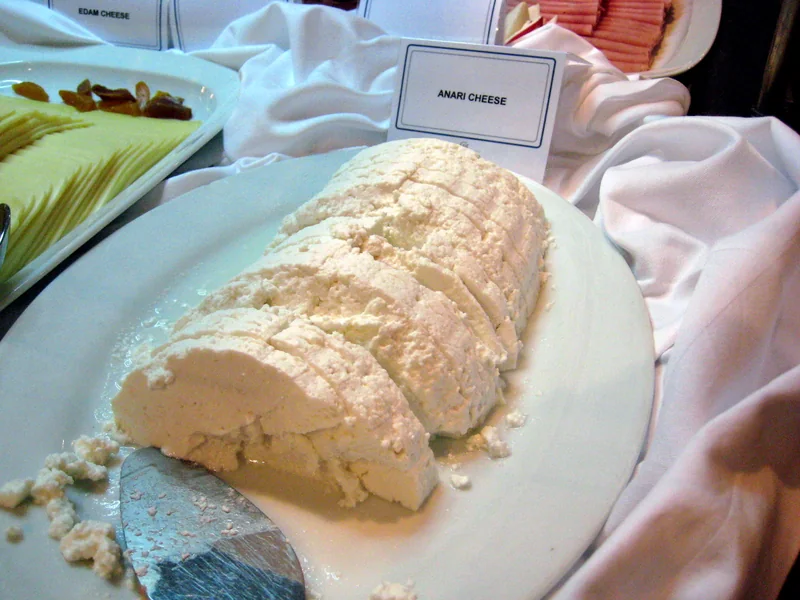
Anari, a traditional Cypriot product
Photo: Zlerman · CC BY-SA 3.0

Cheese & dairy

Anari Αναρή

Anari is a whey cheese made by reheating the liquid left over from halloumi making until the remaining proteins float up as soft white curds. It comes fresh and crumbly, a little like ricotta, or salted and dried into hard balls for grating.

How to enjoy it
Fresh anari is eaten with honey or carob syrup and baked into pastries, while the dried kind is grated over pasta.
Where to find it
Supermarket cheese counters and village dairies sell it, usually alongside halloumi from the same producer.
Season
All year
EU PGI · 2023

Cheese & dairy

Halitzia Tillirias Χαλίτζια Τηλλυρίας

A soft to semi-hard white cheese from the Tillirias area in the north-west of Cyprus, made from goat's milk and left to mature in salted whey for at least forty days. Its name comes from its likeness to smooth white sea pebbles, and it has a crumbly, open texture.

How to enjoy it
It is usually eaten as a table cheese with bread and olives, or crumbled over salads.
Where to find it
Look for it in the Tillirias villages and at specialist cheese counters and food fairs elsewhere on the island.
Season
All year
EU PGI · 2021

Cured meats & sausages

Lountza Pitsilias Λούντζα Πιτσιλιάς

Lountza is a cured pork loin from the mountainous Pitsilia area of the Troodos. The meat is salted, soaked in dry red wine, often rubbed with ground coriander, then smoked slowly and left to dry, giving a lean, aromatic cold cut.

How to enjoy it
It is sliced thinly for meze or sandwiches, or grilled with halloumi in the classic lountza-and-halloumi toastie.
Where to find it
Every deli counter sells lountza, but the protected version is made in Pitsilia villages and is easiest to find in mountain shops and at local festivals.
Season
All year
EU PGI · 2021

Cured meats & sausages

Loukaniko Pitsilias Λουκάνικο Πιτσιλιάς

These pork sausages from Pitsilia are made from meat steeped in local dry red wine and seasoned, then stuffed into natural casings, smoked and left to age. The wine soaking and slow smoking give them a deep colour and a firm, chewy bite.

How to enjoy it
Cypriots grill or pan-fry them as part of a meze spread, often finished with a squeeze of lemon.
Where to find it
Butchers and delis across the island stock them; mountain villages in the Pitsilia area sell them direct from small producers.
Season
All year, especially winter
EU PGI · 2015

Cured meats & sausages

Pafitiko Loukaniko Παφίτικο Λουκάνικο

The traditional sausage of Paphos district is made from pork marinated in dry red wine with salt and spices, then filled into natural casings and cured. Each village producer has its own balance of seasoning, so the flavour varies pleasantly from batch to batch.

How to enjoy it
It is usually grilled over charcoal or fried and served as a meze dish.
Where to find it
Paphos village butchers and producers are the best source, though it also appears in supermarket deli counters island-wide.
Season
All year
EU PGI · 2020

Cured meats & sausages

Hiromeri Pitsilias Χοιρομέρι Πιτσιλιάς

Hiromeri is a whole leg of pork that is salted, soaked in red wine, smoked and then pressed and dried for several months. The result is a dark, intensely flavoured ham, firmer and saltier than most cured hams found elsewhere in Europe.

How to enjoy it
It is shaved into paper-thin slices and eaten with bread, fruit such as melon or figs, or as part of a meze.
Where to find it
The protected version comes from Pitsilia, and village producers there sell it whole or sliced; supermarket deli counters also carry it.
Season
All year

Cured meats & sausages

Tsamarella Τσαμαρέλλα

Tsamarella is goat meat that is salted, coated generously with dried oregano and left to dry in the sun until hard, a mountain preserving method from the days before refrigeration. It is lean, strongly savoury and pleasantly chewy, and each village has its own way of seasoning it.

How to enjoy it
It is sliced very thinly and served with bread, olives and a glass of zivania or wine.
Where to find it
Mountain villages in the Troodos and specialist deli counters are the best places to find it.
Season
All year
EU PGI · 2007

Sweets & preserves

Loukoumi Geroskipou Λουκούμι Γεροσκήπου

Loukoumi is a soft, chewy sweet made from sugar, water and starch, cooked slowly and then flavoured with rose water, bergamot, mastic or nuts and dusted with icing sugar. The version from Geroskipou near Paphos was the first Cypriot food to gain EU protection.

How to enjoy it
It is offered to guests with Cyprus coffee and is a classic gift to take home.
Where to find it
Geroskipou village is lined with makers' shops, and boxed loukoumi is sold in supermarkets and souvenir shops island-wide.
Season
All year
Koufeta Amygdalou Geroskipou, a traditional Cypriot productEU PGI · 2012
Photo: Itzuvit · CC BY-SA 3.0

Sweets & preserves

Koufeta Amygdalou Geroskipou Κουφέτα Αμυγδάλου Γεροσκήπου

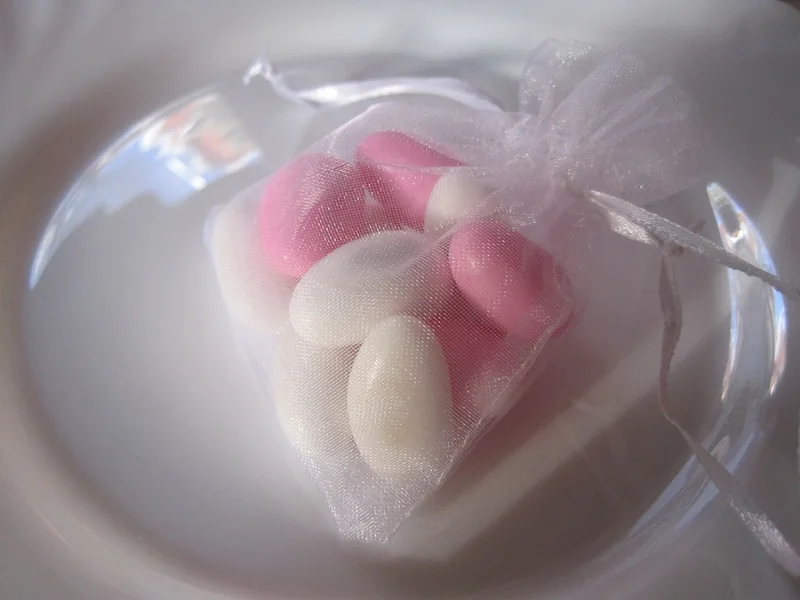
These are roasted almonds coated in layers of hard white sugar shell, made in Geroskipou in the same tradition as its loukoumi. The crunchy, slightly glossy sugar casing contrasts with the toasted nut inside, and the craft has been passed down through the village's confectionery families for generations.

How to enjoy it
They are handed out in small tulle bags at weddings and christenings, and nibbled with coffee.
Where to find it
Geroskipou's confectioners make them, and they are widely sold alongside loukoumi.
Season
All year
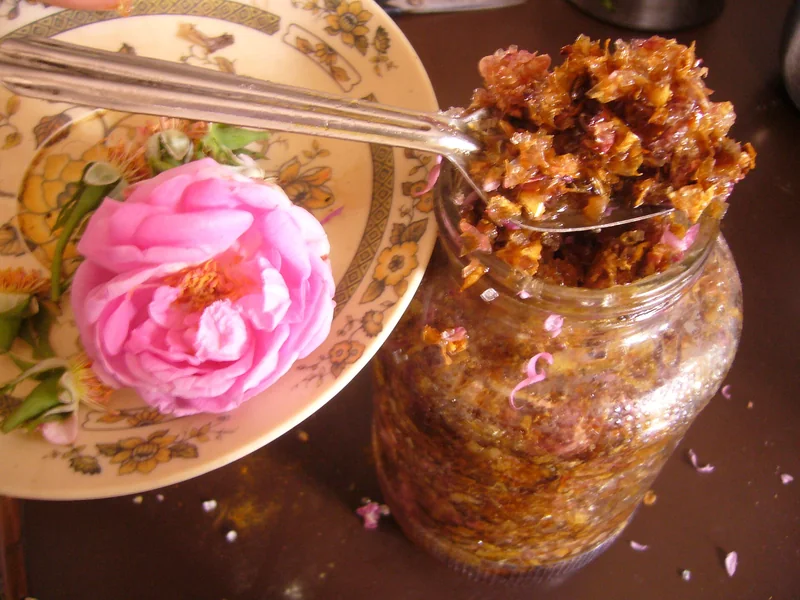
Glyko Triantafyllo Agrou, a traditional Cypriot productEU PGI · 2016
Photo: Dforest · CC BY-SA 4.0

Sweets & preserves

Glyko Triantafyllo Agrou Γλυκό Τριαντάφυλλο Αγρού

A spoon sweet from the mountain village of Agros made from the petals of Damask roses, which are cooked gently in sugar syrup with a little lemon. It is deep pink, fragrant and very sweet, capturing the scent of the village's rose fields.

How to enjoy it
A spoonful is served on a small plate with a glass of cold water, or spooned over yoghurt or ice cream.
Where to find it
Agros and its surrounding Pitsilia villages are the source; jars also appear in delis and gift shops.
Season
All year (roses picked in May)
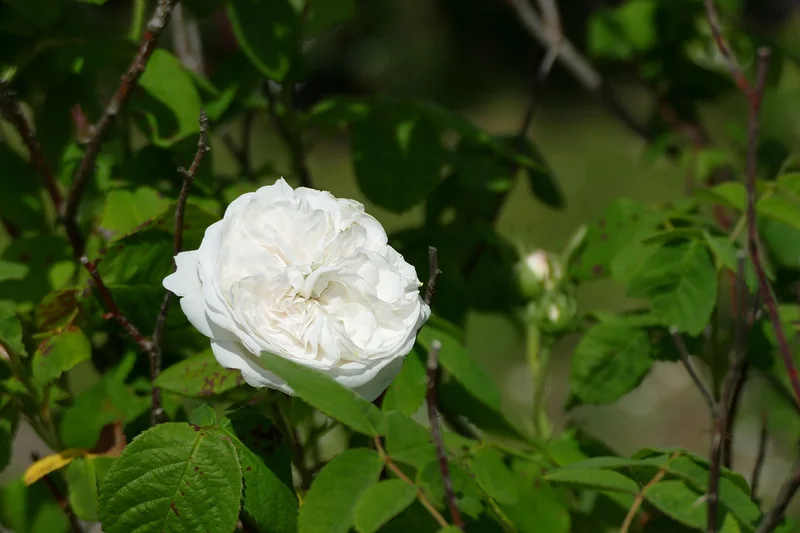
Rodostagma Agrou (Agros rose water), a traditional Cypriot productEU PGI · 2024
Photo: Kritzolina · CC BY-SA 4.0

Sweets & preserves

Rodostagma Agrou (Agros rose water) Ροδόσταγμα Αγρού

Rose water from Agros is distilled from Damask rose petals gathered in the village each spring. It is clear and highly perfumed, and the same harvest also yields rose oil, cosmetics and the village's rose spoon sweet.

How to enjoy it
Cooks add a few drops to milk puddings such as mahallepi, syrups and pastries, and it is sprinkled on guests at weddings.
Where to find it
Buy it in Agros itself, ideally around the May rose festival, or in delis and gift shops across Cyprus.
Season
Distilled in May, sold all year

Sweets & preserves

Soutzoukos Σουτζούκος

Soutzoukos is made by threading almonds or walnuts onto string and dipping them repeatedly into thickened grape must until a thick, chewy coating builds up. The long strings are then hung to dry for several days.

How to enjoy it
It is sliced into rounds and eaten as a snack or dessert, often with coffee or a glass of zivania.
Where to find it
Wine villages make it after the grape harvest, and it is sold at markets, festivals and roadside stalls, especially around the Troodos.
Season
Late summer and autumn

Sweets & preserves

Palouzes Παλουζές

Palouzes is a soft grape-must pudding made by cooking fresh must with flour until it sets into a glossy jelly. It is the same mixture used to coat soutzoukos, enjoyed straight from the pot while it is still warm.

How to enjoy it
It is served warm or cold, sometimes topped with chopped nuts or cinnamon.
Where to find it
Look for it at village wine festivals and harvest-time fairs, when producers sell it freshly made.
Season
Late summer and autumn
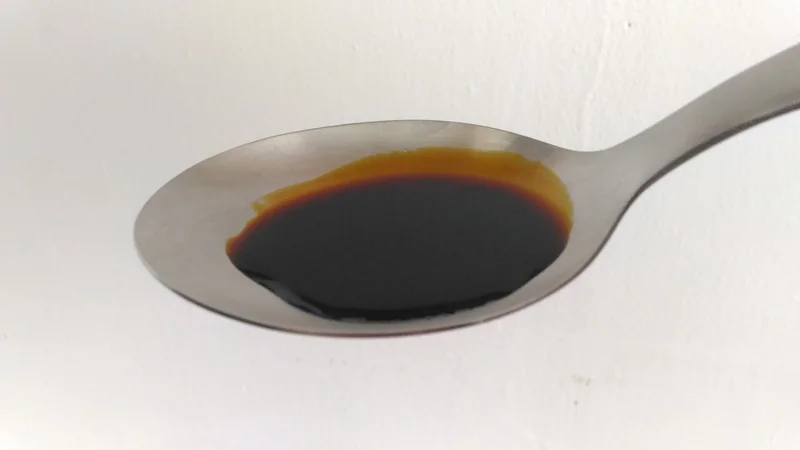
Carob syrup (teratsomelo), a traditional Cypriot product
Photo: Silassouille · CC BY-SA 4.0

Sweets & preserves

Carob syrup (teratsomelo) Τερατσόμελο / Χαρουπόμελο

Carob syrup is a dark, thick syrup made by soaking and pressing ripe carob pods and boiling the juice down. Carob was once so valuable to the island's economy that it was called Cyprus's black gold, and its syrup has a deep, cocoa-like sweetness.

How to enjoy it
It is drizzled over tahini, anari or yoghurt, and used to sweeten cakes and pastelli.
Where to find it
Supermarkets sell it, while small producers in Limassol and Larnaca villages sell it at markets and carob festivals.
Season
All year

Sweets & preserves

Spoon sweets Γλυκά του κουταλιού

Spoon sweets are whole or sliced fruits, and sometimes vegetables, preserved in thick sugar syrup. Favourites include green walnuts, bergamot, figs, cherries and baby aubergines, each candied slowly over several days so it keeps its shape, colour and a gentle bite.

How to enjoy it
A single spoonful on a small saucer is the traditional welcome for visitors, served with cold water and coffee.
Where to find it
Village women's cooperatives, market stalls and supermarkets all sell jars, and many home cooks still make their own.
Season
All year

Sweets & preserves

Pastelli Παστέλι

Cypriot pastelli is a hard, glossy bar made from carob syrup cooked down until it sets, often with sesame seeds or almonds added. It is darker and less sweet than the honey-based versions found elsewhere in the eastern Mediterranean.

How to enjoy it
It is broken into small pieces and eaten as an energy-rich snack.
Where to find it
Carob-producing villages make it, and it is sold at markets, festivals and supermarket sweet aisles.
Season
All year
EU PGI · 2024

Bread, pasta & bakery

Tertziellouthkia Τερτζιελλούθκια

Tertziellouthkia are small, ring-shaped pasta made by hand from durum wheat flour mixed with village or wholemeal flour, semolina, water and salt. The name refers to their ring shape, and their size and texture depend on the maker's traditional skill.

How to enjoy it
They are boiled in chicken or meat broth and finished with grated halloumi or anari.
Where to find it
Village producers and cooperatives sell them dried, and some supermarkets and delis carry packaged versions.
Season
All year

Bread, pasta & bakery

Trahanas Τραχανάς

Trahanas is made by boiling cracked wheat in soured sheep's or goat's milk, then shaping the thick mixture into pieces and drying them in the sun. The result is a tangy, long-keeping store-cupboard staple that once saw village families through the winter months.

How to enjoy it
It is simmered into a comforting soup, often with cubes of halloumi, on winter evenings.
Where to find it
Village producers make it in late summer, and it is sold at markets and supermarkets throughout the year.
Season
Made in summer, eaten in winter
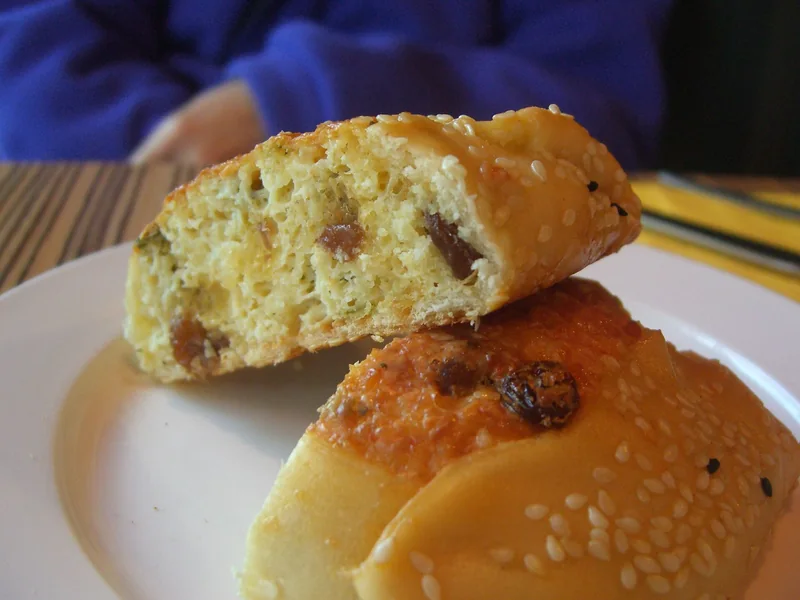
Flaounes, a traditional Cypriot product
Photo: Alpha · CC BY-SA 2.0

Bread, pasta & bakery

Flaounes Φλαούνες

Flaounes are Easter pastries filled with a special cheese mixed with eggs, mint and often raisins, folded into a yeasted dough and sprinkled with sesame. Families gather to bake them in large batches on Good Friday.

How to enjoy it
They are eaten warm or cold to break the Lenten fast and are shared with neighbours over the Easter weekend.
Where to find it
Bakeries everywhere sell them in the weeks before Easter, and many keep them on offer all year.
Season
Easter

Bread, pasta & bakery

Koulouri and village bread Κουλούρι / Χωριάτικο ψωμί

Village bread is a dense, crusty loaf traditionally baked in wood-fired ovens, and koulouri is a round loaf heavily coated with sesame seeds and often flavoured with mastic and mahlepi. Both keep well and are central to everyday Cypriot meals.

How to enjoy it
Sliced with halloumi, olives and tomatoes, or toasted for breakfast, they accompany almost every meal.
Where to find it
Every bakery bakes them daily; Athienou in Larnaca district is famous for its bread, which is awaiting an EU protected status decision.
Season
All year
Kolokasi Sotiras, a traditional Cypriot productEU PDO · 2016
Photo: Taro_leaf_underside,_backlit_by_sun.jpg… · CC BY-SA 3.0

Fruit, vegetables & nuts

Kolokasi Sotiras Κολοκάσι Σωτήρας

Kolokasi is taro, a starchy root grown in Cyprus for centuries, and the protected variety comes from the Sotira area in the red-soil east of the island. The small offshoots, known as poulles, are especially prized for their tender texture.

How to enjoy it
It is chipped rather than cut, so it stays firm, and stewed with pork or chicken, celery and tomato.
Where to find it
Greengrocers and supermarkets stock it in season; look for the Sotira name on the label.
Season
Autumn and winter

Fruit, vegetables & nuts

Red soil potatoes Πατάτες της κόκκινης γης

The Kokkinochoria, or red-soil villages, of the south-east grow potatoes in iron-rich red earth that gives them a firm texture and a thin, easily scraped skin. They are a major export crop, much of it heading to northern Europe in spring.

How to enjoy it
Cypriots roast them in wedges with lemon, oregano and olive oil, or fry them for chips.
Where to find it
Greengrocers and supermarkets sell them still dusted with red soil, often with the growing area on the sack.
Season
Spring, with a second crop in winter
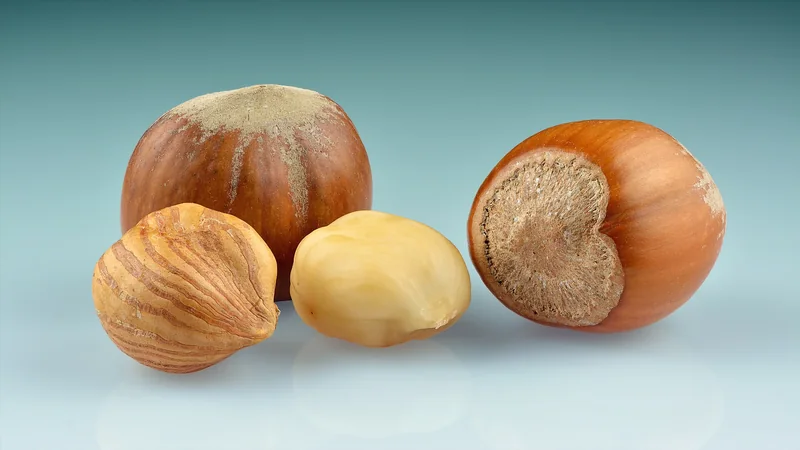
Pitsilia hazelnuts, a traditional Cypriot product
Photo: Ivar Leidus · CC BY-SA 4.0

Fruit, vegetables & nuts

Pitsilia hazelnuts Φουντούκια

Hazelnut trees grow along the streams and terraces of the higher Troodos villages, including the Pitsilia area. The nuts are small and full-flavoured, and growers harvest them by hand before selling them raw or roasted, in shell or shelled.

How to enjoy it
They are eaten as a snack, added to sweets and pastries, and sold in bags at village fairs.
Where to find it
Mountain village shops and autumn festivals are the best places to buy them direct from growers.
Season
Late summer and autumn
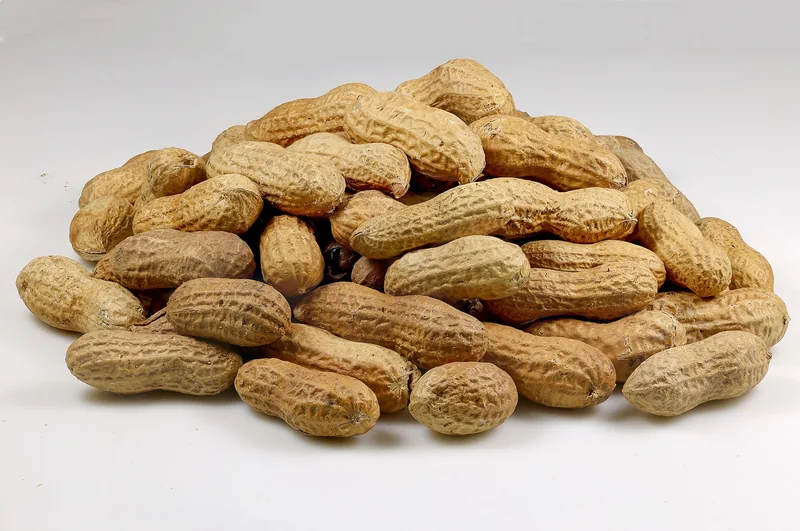
Paphos peanuts, a traditional Cypriot product
Photo: Sanjay Acharya · CC BY-SA 4.0

Fruit, vegetables & nuts

Paphos peanuts Αράπικα φυστίκια Πάφου

Peanuts are grown on the fertile coastal plain around Paphos and are roasted in their shells soon after harvest. They are known locally for their sweet, fresh flavour and tender texture, quite different from the imported salted peanuts sold in packets.

How to enjoy it
They are cracked open and eaten warm with a beer or as a snack on an evening out.
Where to find it
Roadside stalls and markets in Paphos district sell them freshly roasted after the harvest.
Season
Autumn

Fruit, vegetables & nuts

Mandora mandarins Μαντόρα

Mandora is a citrus variety grown widely in Cyprus, prized for its deep orange colour, juicy flesh and easy-to-peel skin. Cyprus citrus growers export much of the crop, but the freshest fruit stays on the island.

How to enjoy it
It is eaten fresh as a winter snack or squeezed for juice.
Where to find it
Greengrocers, supermarkets and roadside stalls in the citrus-growing areas of Limassol and Paphos districts sell them by the box in season.
Season
Winter to spring

Olive oil & olives

Cyprus extra virgin olive oil Ελαιόλαδο

Olive trees grow across almost every part of Cyprus, and the island's oil is often pressed from the local Cypriot olive variety, sometimes blended with Koroneiki. Freshly pressed oil is green and peppery, mellowing over the months that follow.

How to enjoy it
It goes on almost everything, from salads and grilled vegetables to bread dipped with oregano and salt.
Where to find it
Supermarkets stock many Cypriot brands, but buying direct from village olive mills after the harvest gets you the freshest oil.
Season
Harvest October to December

Olive oil & olives

Cyprus table olives Ελιές τσακιστές

Cypriot green olives are traditionally cracked with a stone, soaked to remove bitterness and preserved with garlic, lemon, coriander seeds and olive oil. Black olives are often cured in coarse salt and then dressed with oregano and a little olive oil.

How to enjoy it
They are served at the start of every meal and are a fixture of the meze table.
Where to find it
Market stalls sell them by weight, and many supermarkets have their own olive counters.
Season
All year (new season from autumn)
EU PDO

Wine & spirits

Commandaria Κουμανδαρία

Commandaria is a rich amber dessert wine made in designated villages on the southern slopes of the Troodos from the local Xynisteri and Mavro grapes. The grapes are dried in the sun to concentrate their sugars before pressing, and the wine is aged in oak for at least two years.

How to enjoy it
It is sipped after dinner with sweets, nuts or cheese, and a splash goes into some cakes and desserts.
Where to find it
The Commandaria villages north of Limassol produce it, and bottles are sold in supermarkets, wine shops and at winery visits.
Season
All year
EU PGI

Wine & spirits

Zivania Ζιβανία

Zivania is a strong, clear spirit distilled from the pressed skins and seeds left after winemaking, using marc from traditional Cypriot grape varieties. It has a clean, dry taste and a long history as both a drink and a home remedy.

How to enjoy it
It is drunk ice-cold in small glasses with meze, and in villages it is still rubbed on aching muscles or used to warm up on cold days.
Where to find it
Wineries and village producers sell it, especially in the Limassol and Paphos wine regions, and it is stocked in every supermarket.
Season
All year
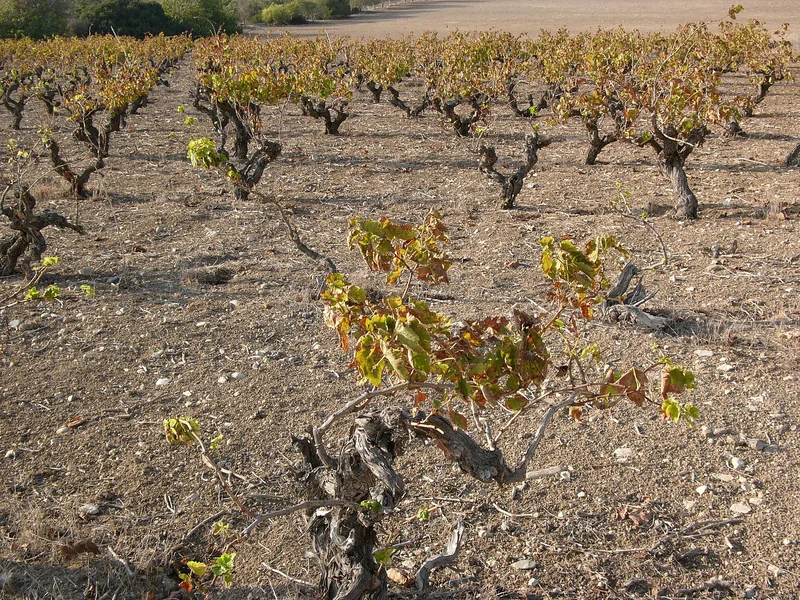
Cyprus wine, a traditional Cypriot product
Photo: Hannes Grobe (talk) · CC BY 3.0

Wine & spirits

Cyprus wine Κυπριακό κρασί

Winemaking in Cyprus stretches back thousands of years, and the island's vineyards, largely spared by phylloxera, grow native grape varieties found almost nowhere else. Xynisteri gives crisp, citrusy whites, while Maratheftiko and Mavro produce deeply coloured, characterful reds.

How to enjoy it
Local wines are poured with meze and village meals, and winery visits make an easy day out.
Where to find it
The hill wine villages of Limassol and Paphos districts host most wineries, and local labels fill supermarket shelves.
Season
All year, harvest festivals in late summer

Frequently asked questions

What does the PDO label on halloumi mean?

Since 2021 halloumi has been a Protected Designation of Origin in the EU, so cheese sold under that name must be made in Cyprus following the registered specification for its milk and method. Look for the red and yellow PDO logo on the pack.

Which Cypriot products make good gifts?

Loukoumi and koufeta from Geroskipou, Agros rose products, carob syrup, a bottle of Commandaria or zivania and a good local olive oil all travel well. Vacuum-packed lountza or halloumi also work for short trips if you keep them cool.

What is Commandaria?

Commandaria is a sweet dessert wine from a group of villages in the Troodos foothills north of Limassol, made from sun-dried Xynisteri and Mavro grapes and aged in oak. It is a protected designation of origin and is often called one of the oldest named wines still made today.

Where can I buy village products?

Weekly farmers' markets, village shops and women's cooperatives in the Troodos are the best sources, along with the many village festivals held through summer and autumn. Supermarkets increasingly carry small-producer ranges too.

What is zivania?

Zivania is Cyprus's traditional grape-marc spirit, distilled from what is left after pressing grapes for wine. It is clear and strong, protected as a geographical indication in the EU, and usually drunk very cold with meze.

Useful resources

  1. Taste Cyprus – Cypriot Products
  2. EUR-Lex – Commission Implementing Regulation (EU) 2021/154 registering Loukaniko Pitsilias (PGI)
  3. European Commission Representation in Cyprus – Halitzia Tillirias PGI
  4. European Commission Representation in Cyprus – Tertziellouthkia PGI

Checked 2026-10. PDO = Protected Designation of Origin, PGI = Protected Geographical Indication (EU labels).

New guides, rule changes that affect expats and the best events coming up. No spam, unsubscribe any time.