Quick answer
The Cyprus Department of Meteorology issues yellow, orange and red warnings for extreme heat, heavy rain and thunderstorms, strong winds and other dangerous weather. In summer, yellow heat warnings are common when inland temperatures approach 40°C, and orange warnings have been issued for 43–44°C in Nicosia. Dust episodes, when sand from North Africa or the Middle East fills the air, are most frequent in spring, and authorities then advise children, older people and anyone with health conditions to stay indoors. In winter, short, violent storms can cause flash floods. Check dom.org.cy for warnings and call 112 in an emergency.
- Warnings come in three levels: yellow (be aware), orange (be prepared, a risk to health or property) and red (take action, dangerous conditions).
- Yellow heat warnings are typical when inland temperatures approach 40°C; orange warnings have been issued for 43–44°C in Nicosia.
- During dust episodes, children, older people and people with heart or lung conditions are advised to stay indoors and avoid outdoor exercise.
- Winter thunderstorms can flood roads in minutes: never drive or walk through moving water.
- In summer, lighting fires outdoors is restricted; report smoke or fire on 112.
Most days in Cyprus are sunny and calm, which is exactly why extreme weather can catch newcomers off guard. Summer heatwaves, dusty spring skies and sudden winter downpours are all part of island life. This guide explains the warning system and what to do in each situation.
For the averages through the year, see Cyprus weather month by month. For today's weather and the forecast, check the weather box on our home page.
The warning levels
The Cyprus Department of Meteorology issues warnings by area and time, often a day in advance.
| Level | What it means | What to do |
|---|---|---|
| Yellow | Weather that is unusual but common in Cyprus, such as very high temperatures or heavy showers | Be aware: plan around the hottest or stormiest hours |
| Orange | Dangerous weather with a risk to health, property or travel | Be prepared: change plans, protect vulnerable people |
| Red | Very dangerous, exceptional weather | Take action: follow the authorities' instructions |
Warnings are published on the Department of Meteorology website (dom.org.cy) and widely reported by local news and radio.
Heatwaves
Summer heatwaves are the most frequent warnings. Yellow warnings are typical when inland temperatures approach 40°C, and orange warnings have been issued when Nicosia was forecast to reach 43–44°C, as in July 2026. The coast is usually a few degrees cooler but more humid, so it can feel just as uncomfortable.
Stay safe in the heat:
- Stay indoors or in the shade between about 11:00 and 17:00.
- Drink water regularly, even before you feel thirsty, and avoid alcohol in the heat of the day.
- Never leave children or pets in a parked car, even for a few minutes.
- Check on older neighbours and relatives, who are most at risk.
- Walk dogs early in the morning or late in the evening: pavements get hot enough to burn paws.
- Keep blinds closed during the day and use fans or air conditioning; power cuts can happen during peak demand.
Our summer survival guide has more on heat, power cuts and mosquitoes.
Dust episodes
Several times a year, especially in spring, winds carry fine desert dust from North Africa or the Middle East across Cyprus. The sky turns yellow-grey, visibility drops and air pollution rises well above safe levels, usually for one to three days.
When dust levels are high, the authorities advise:
- children, older people and anyone with asthma, heart or lung conditions to stay indoors and avoid outdoor activity;
- everyone else to avoid strenuous exercise outdoors;
- employers to protect people working outside.
Keep windows closed, and if you have asthma, carry your inhaler. Expect a dusty car and terrace afterwards; the next rain shower often brings "mud rain".
Storms, heavy rain and flash floods
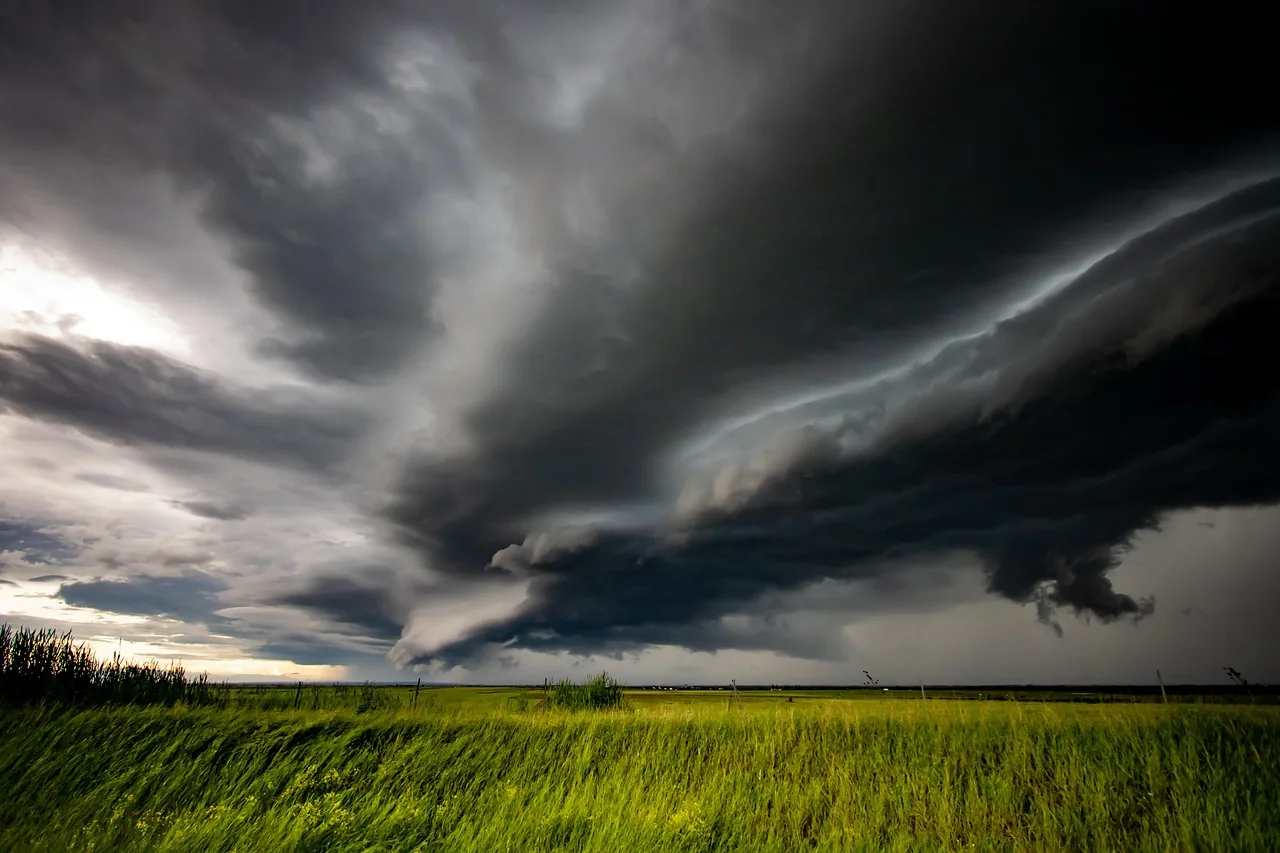
Rain in Cyprus tends to come in short, intense bursts, particularly between October and March. Thunderstorms can drop a month's rain in a few hours, and because the ground is dry and drains are small, streets can flood in minutes. Low-lying roads and underpasses in the towns are the first to flood.
During heavy rain:
- Never drive or walk through flowing water; a few centimetres can sweep a car away.
- Avoid riverbeds and dry streams (which can fill suddenly) and the beach during storms.
- Slow down: roads are slippery after long dry spells, when oil rises to the surface.
- Bring in or tie down garden furniture before strong winds.
Hail, strong winds and, occasionally, waterspouts off the coast also come with winter storms.
Snow and ice in Troodos
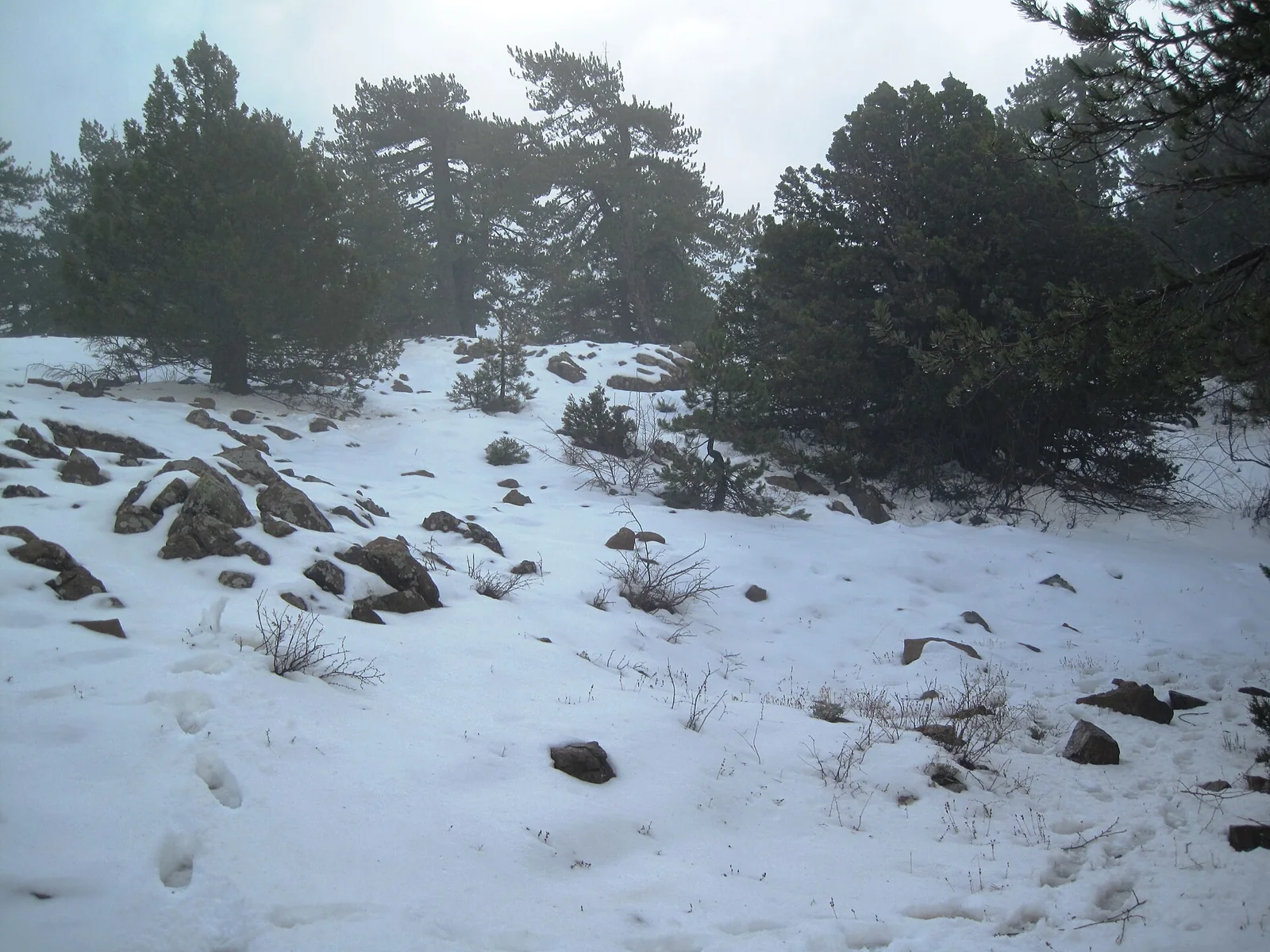
Snow is common in the Troodos mountains from late December to March. Roads to the higher villages and Mount Olympus can close or require snow chains. Check road reports before driving up, carry warm clothes and water, and avoid going up during orange or red warnings. Our skiing in Troodos guide covers the slopes and roads.
Wildfires
Long, dry summers and strong winds make wildfires a serious risk from May to October. Lighting fires outdoors, including barbecues outside designated areas, is restricted in the fire season, and throwing away a cigarette in dry grass can start a fire. If you see smoke or fire, call 112 straight away.
Emergency numbers
| Service | Number |
|---|---|
| European emergency number (police, ambulance, fire) | 112 |
| Emergency services (Cyprus) | 199 |
What to do next
- Bookmark the Department of Meteorology website for warnings.
- Read Cyprus weather month by month to know what each season brings.
- Read our guide to winter in Cyprus to get your home ready for the cold, wet months.
This guide is general information. Always follow the instructions of the Cyprus authorities during severe weather.
Recommended for this guide
Contains affiliate links Airalo
Prepaid eSIMs for Cyprus and 200+ countries: be online the moment you land.
Get an eSIM
Moving & settling in
Airalo
Prepaid eSIMs for Cyprus and 200+ countries: be online the moment you land.
Get an eSIM
Moving & settling in
 Babbel
Short daily language lessons. Useful for Greek basics and for brushing up before a move.
Try Babbel
Flights & car hire
Babbel
Short daily language lessons. Useful for Greek basics and for brushing up before a move.
Try Babbel
Flights & car hire
 Discover Cars
Compare car hire from local and international companies at Larnaca and Paphos airports.
Compare car hire
Discover Cars
Compare car hire from local and international companies at Larnaca and Paphos airports.
Compare car hire
Frequently asked questions
Where can I check weather warnings in Cyprus?
On the Cyprus Department of Meteorology website (dom.org.cy), which publishes forecasts and the current yellow, orange and red warnings. Warnings are also reported by local news sites and radio.
How hot does it get in Cyprus in a heatwave?
Inland, especially around Nicosia, heatwaves regularly reach 40–44°C. The coast is usually a few degrees cooler but more humid, and the Troodos mountains stay in the low 30s.
What is a dust episode in Cyprus?
A period when fine dust from the deserts of North Africa or the Middle East is carried over the island, making the sky hazy and raising air pollution. It usually lasts one to three days and is most common in spring.
What number do I call in a weather emergency in Cyprus?
Call 112, the European emergency number, or 199. Both reach the police, ambulance and fire services.
Useful resources
- Cyprus Department of Meteorology
- Cyprus Mail – Orange warning issued as temperatures set to reach 43°C (21 July 2026)
- Sigmalive – Heatwave pushes temperatures to 44°C, orange warning issued
- Sigmalive – Cyprus atmospheric dust levels prompt warning to stay indoors
- Cyprus News Agency – Yellow warning for rain and thunderstorms