

Quick answer
Traditional Cyprus desserts reflect Greek, Turkish, Middle Eastern and Western European influences and are closely tied to family, religious celebrations and hospitality. The best-known sweets are loukoumia, glyko tou koutaliou (spoon sweets), daktyla and bourekia me anari. The most authentic versions come from village bakeries, agrotourism guesthouses and local festivals rather than supermarkets or hotel buffets.
- Loukoumia from Geroskipou hold EU PGI status.
- Spoon sweets are traditionally served on a spoon with a glass of cold water to welcome guests.
- Daktyla are fried, almond-filled pastries soaked in syrup and popular at weddings and religious feasts.
- Authentic sweets are found in Geroskipou, Kakopetria, Lefkara and Panagia, and in agrotourism guesthouses.
- Vegan baklava, low-sugar spoon sweets and gluten-free loukoumia are modern adaptations.
Cyprus blends ancient history, Mediterranean energy and generous hospitality. Its desserts, which draw on Greek, Turkish, Middle Eastern and Western European traditions, are a direct way into the island's culture. This guide covers time-honoured sweets, modern vegan versions and where to find them.
Why are sweets so important in Cypriot culture?
Cypriot sweet-making is tied to family, faith and community. Many desserts belong to religious holidays and seasonal festivals, from Easter breads to winter almond sweets. In village kitchens, recipes often pass from grandmothers to granddaughters without being written down. Cooks judge doneness by touch and by the sound of bubbling syrup rather than by timers, and children help shape the pastries while older relatives supervise.
Sweets are also central to hospitality. Guests are traditionally offered a spoon sweet, "glyko tou koutaliou", with a glass of cold water. At weddings and name days, large dessert platters appear, with each item representing a wish for fertility, happiness or prosperity.
Key aspects include:
- Traditional methods, such as cooking preserves in copper pots or sun-drying fruit.
- Seasonal importance, for example koulourakia (Easter biscuits) and melomakarona (Christmas honey cookies).
- Cultural symbolism, with sweets marking births, baptisms and other milestones.
Which iconic Cypriot desserts should you try?
Cyprus has many traditional sweets, several refined over centuries.
Loukoumia (Cyprus delight)
Probably the best-known of the island's desserts, loukoumia are soft, chewy cubes of starch and sugar, flavoured with rosewater or citrus and dusted with icing sugar. They resemble Turkish delight, but Cyprus has its own version. The celebrated Geroskipou loukoumia holds PGI status in the EU.
- Flavours include rose, mastic, bergamot and more.
- Best served with Cypriot coffee or offered to guests.
- Often sold in attractive packaging as edible souvenirs.
Loukoumia are more than sweets. They are a source of local pride and heritage, particularly in the Paphos region.
Glyko tou koutaliou (spoon sweets)
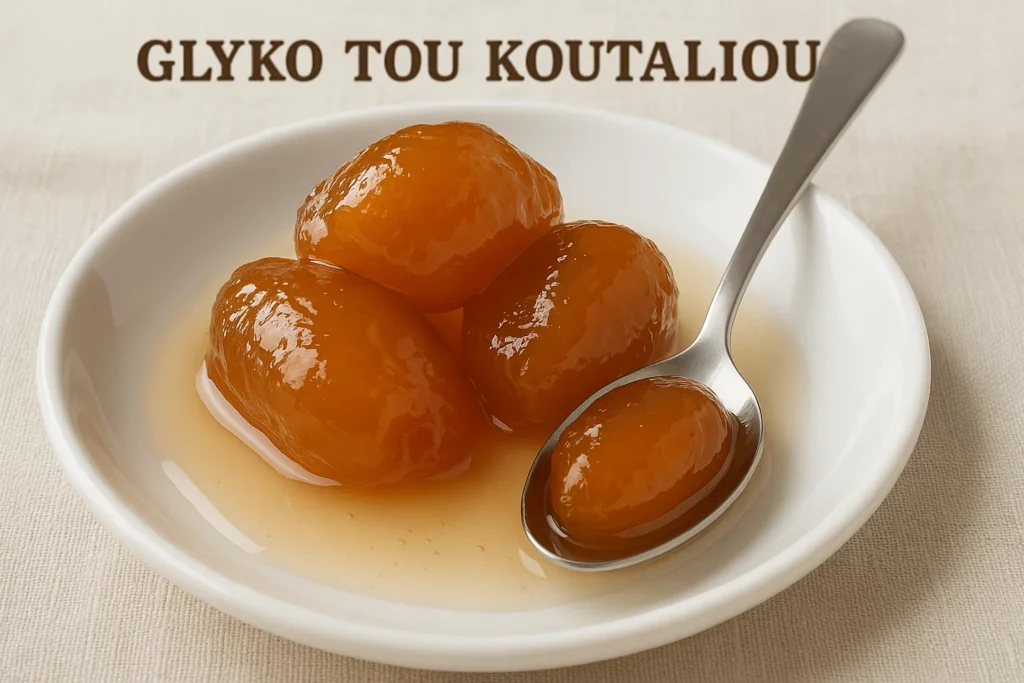
These fruit preserves are served on a spoon alongside a glass of cold water as a welcome for guests. Whole fruits are simmered in syrup, showcasing the island's produce.
- Common fruits: fig, walnut, cherry, citrus peel and quince.
- Made without additives or artificial preservatives.
- Some versions use vegetables, such as baby aubergines.
Spoon sweets reflect the slow food approach: simple ingredients, prepared with care.
Daktyla (ladies' fingers)
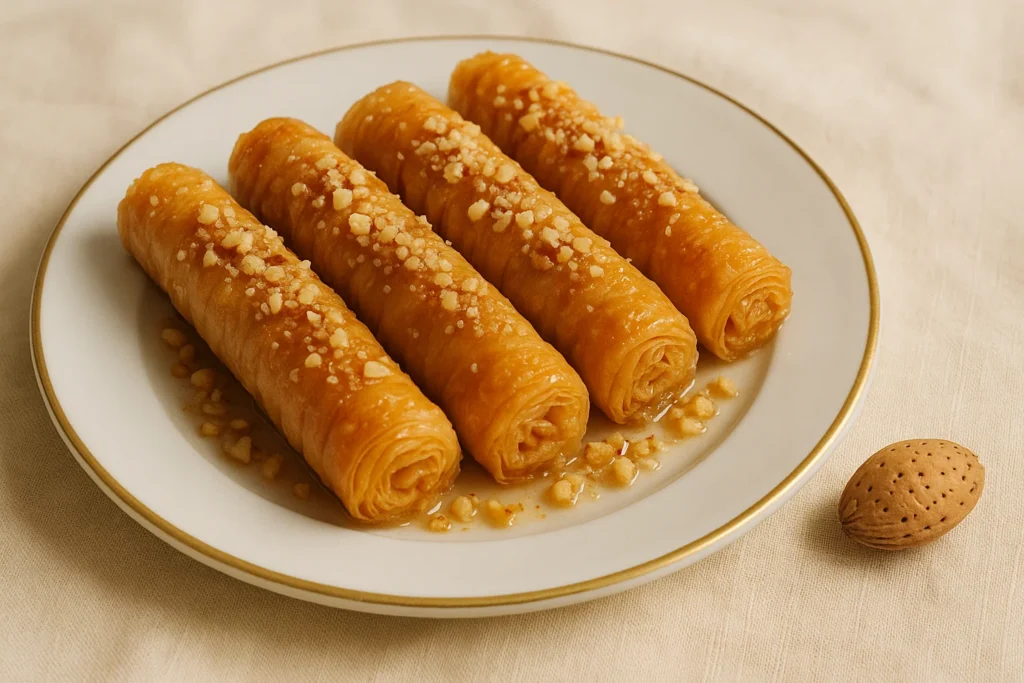
These are finger-shaped fried pastries filled with ground almonds, cinnamon and sometimes rosewater. After frying, they are soaked in syrup for a rich, sticky finish.
- Popular at weddings and religious feasts.
- Often coated in sesame seeds.
- Sometimes flavoured with orange blossom water.
Bourekia me anari
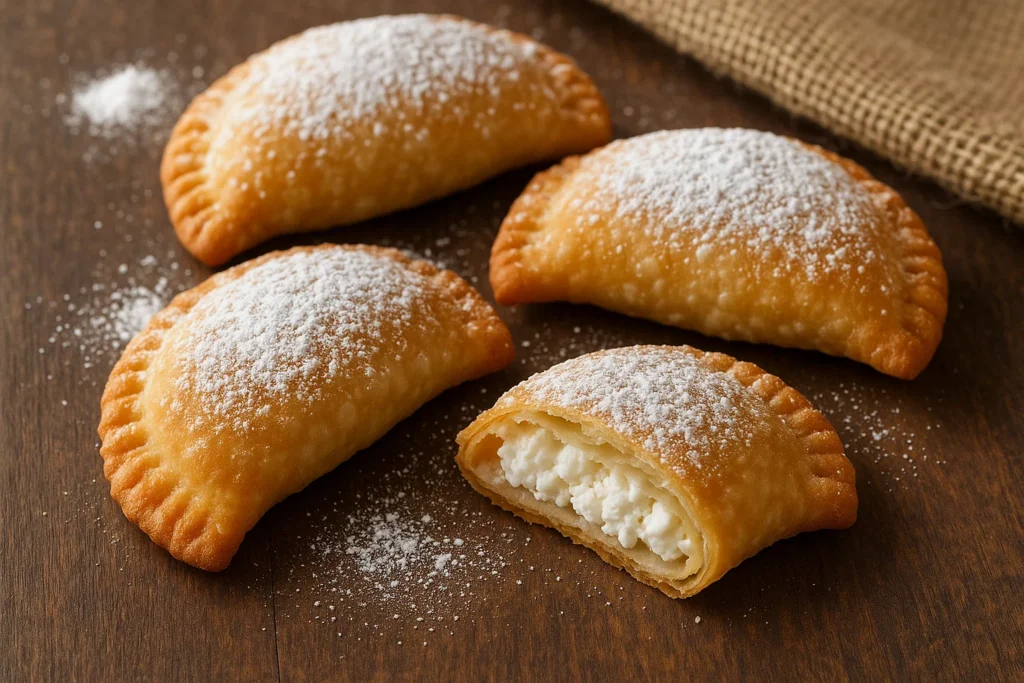
These crescent-shaped pastries contain anari, a soft, mild cheese similar to ricotta. The filling is sweetened and spiced with cinnamon, sometimes with rosewater.
- Either deep-fried or oven-baked.
- Dusted with icing sugar before serving.
- Found in bakeries and made at home.
Where can you taste authentic Cypriot sweets?
Supermarkets and hotel buffets are not the best places to find real Cypriot sweets. The most authentic ones come from small villages and family businesses. For everyday shopping, see our supermarkets guide.
- Geroskipou: home to the original loukoumia factories.
- Kakopetria and Lefkara: mountain villages known for traditional bakeries.
- Panagia: local festivals often feature fresh spoon sweets and pastries from village stalls.
- Agrotourism guesthouses: many serve home-cooked meals with homemade desserts.
Buying from these producers gives better flavour and helps keep traditional methods and rural economies alive.
Are there vegan and modern versions of Cypriot desserts?
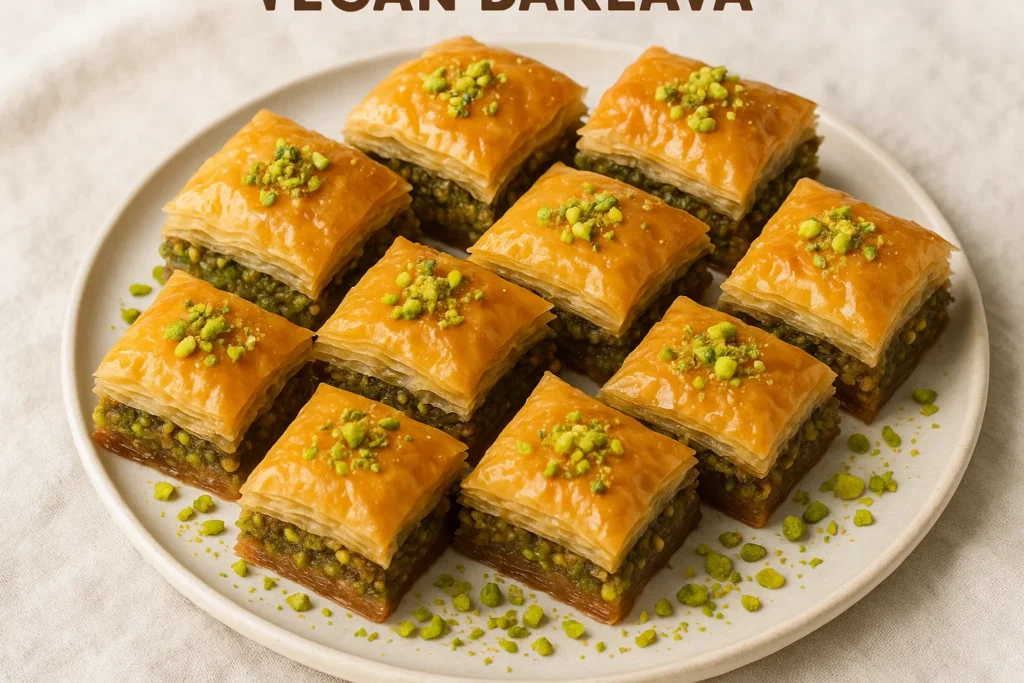
Chefs and home bakers are adapting Cypriot desserts for today's diets, driven by interest in wellness and sustainability. Vegan versions keep the character of the originals without animal products.
- Vegan baklava: made with coconut oil or vegan butter and agave syrup in place of honey.
- Low-sugar spoon sweets: suitable for people with diabetes or those wanting less processed options.
- Gluten-free loukoumia: made with tapioca or rice flour.
- Artisan variations: pistachio-rose loukoumia or dark chocolate anari truffles.
These adaptations meet modern dietary needs and keep the desserts relevant for future generations.
What do Cypriot sweets say about the island's identity?
Cypriot desserts are also cultural artefacts, reflecting the island's position at a crossroads of civilisations. Rosewater, cinnamon, citrus peel and sesame point to trade routes and centuries of cultural exchange. Sharing sweets is itself a gesture of connection and respect.
Sweets appear at Orthodox Easter, Ramadan, name days and harvest festivals, linking the spiritual and social sides of life. In everyday life, they mark quiet moments, such as a midday coffee with loukoumi or a spoon sweet after a long day.
How do you make the most of Cyprus's sweet side?
Cypriot desserts offer a useful way to understand the island's food and character. They are traditions made edible, carrying stories and history.
Whether you are walking through a quiet village, attending a festival or drinking coffee in a seaside café, these sweets are never far away. Skip the tourist traps, seek out small bakeries, talk with the older women selling spoon sweets and try a loukoumi or two.
Recommended for this guide
Contains affiliate linksFrequently asked questions
What are the most popular Cyprus desserts?
Loukoumia (Cyprus delight), glyko tou koutaliou (spoon sweets), daktyla and bourekia me anari are among the best-loved traditional sweets.
Where can you find authentic Cypriot desserts?
Try village bakeries, agrotourism guesthouses or local festivals in places such as Geroskipou, Lefkara and Kakopetria.
Are there vegan Cypriot desserts?
Yes. Many local chefs and patisseries now make vegan versions of treats such as baklava and spoon sweets.
What makes Cypriot desserts unique?
They combine Greek, Turkish and Middle Eastern influences, often using rosewater, citrus and nuts, with a strong focus on tradition and hospitality.
Can you take Cyprus desserts home as gifts?
Yes. Loukoumia and spoon sweets are attractively packaged and work well as souvenirs or edible gifts.


