Summarise this page 8 key points · 1 minute
- What is Kaimakli like?Kaimakli, part of the City of Nicosia since 1968, mixes traditional stone houses, old churches and modern flats, with quiet streets ending at the Green Line.
- Where is Kaimakli and how do you get around?Kaimakli sits just north-east of the Venetian walls, about 5–10 minutes by car from the centre, with Larnaca Airport roughly 45 minutes away.
- Neighbourhoods and places in KaimakliThe protected old core suits buyers happy to restore, but check planning approvals and parking first, and walk the quiet buffer-zone edge at different times.
- Who is Kaimakli best for?Kaimakli suits professionals wanting a short commute, creatives and history lovers, couples and singles seeking character for less, and buyers willing to renovate.
- Homes and cost of livingNicosia-wide rents run about €750-€1,150 a month for a two-bedroom flat, and older Kaimakli flats tend to sit in the lower half of these ranges.
- Schools, healthcare and everyday services near KaimakliKaimakli has public primary schools and kindergartens, international schools are nearby in Nicosia, and Nicosia General Hospital in Strovolos is the district's main public hospital.
- Things to do in and around KaimakliThe linear park follows the old railway, which closed in 1951, and the walled old town's museums, cafés and restaurants are on your doorstep.
- Pros and cons of living in KaimakliKaimakli is close to the old town and more affordable, but buildings vary in condition, parking can be limited and there is no beach nearby.
Quick answer
Kaimakli is a historic neighbourhood just north-east of Nicosia's walled old town, part of the City of Nicosia since 1968. With traditional houses, a strong local identity and the city centre close by, it suits people who want character and central living at a relatively affordable price.
- Just north-east of the old town, usually about 5–10 minutes' drive from the centre.
- Historic neighbourhood with traditional houses and a strong local identity.
- Generally more affordable than many central and western areas of Nicosia.
- Suits professionals, creatives and couples who want character close to town.
- The Green Line runs along its northern edge, so some streets feel quiet and end abruptly.
- The old core is a protected Area of Special Character, with stone courtyard houses and historic churches, including St Barbara's.
- The Kaimakli linear park follows more than a kilometre of the old railway line, past the restored 1909 station halt.
What is Kaimakli like?
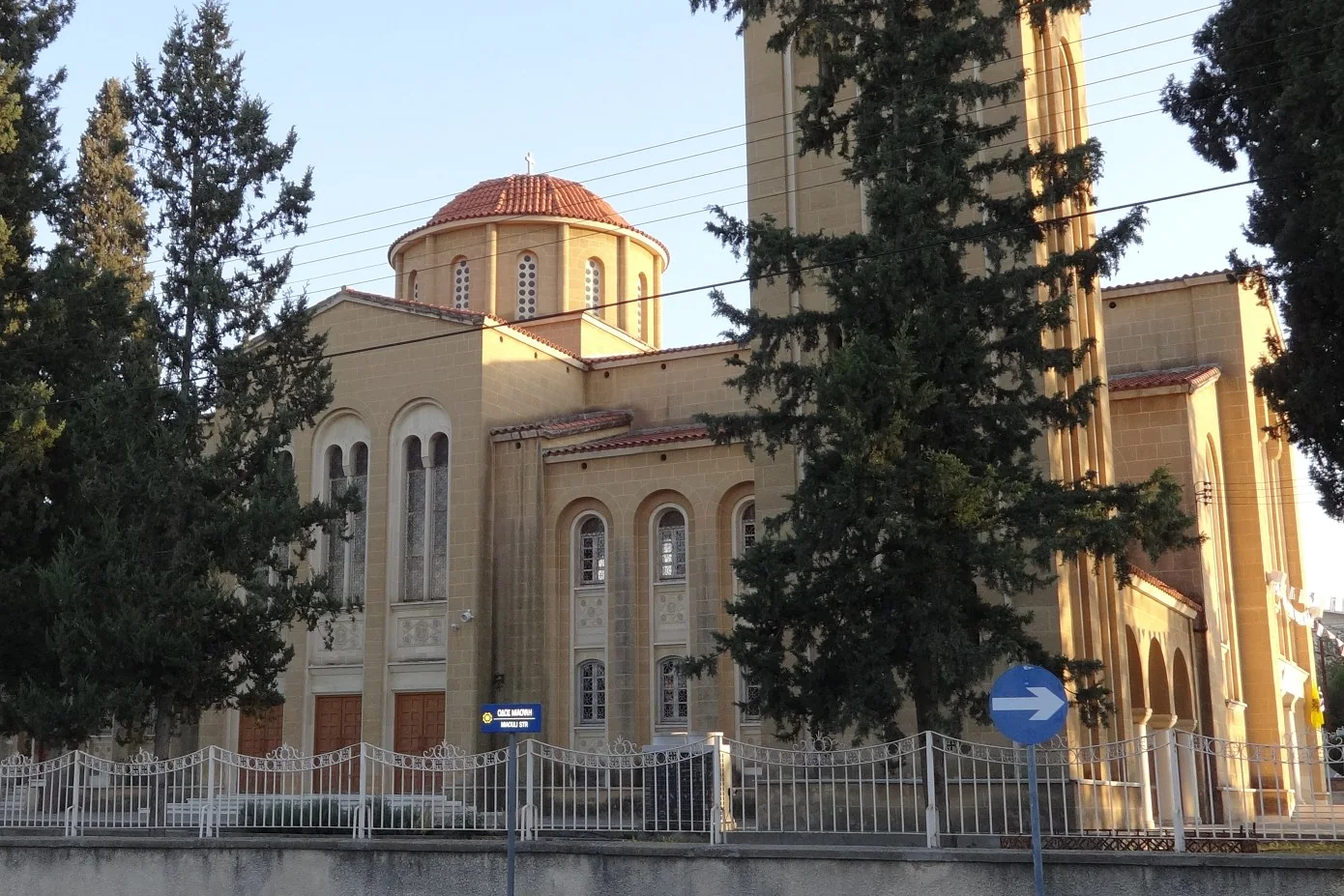
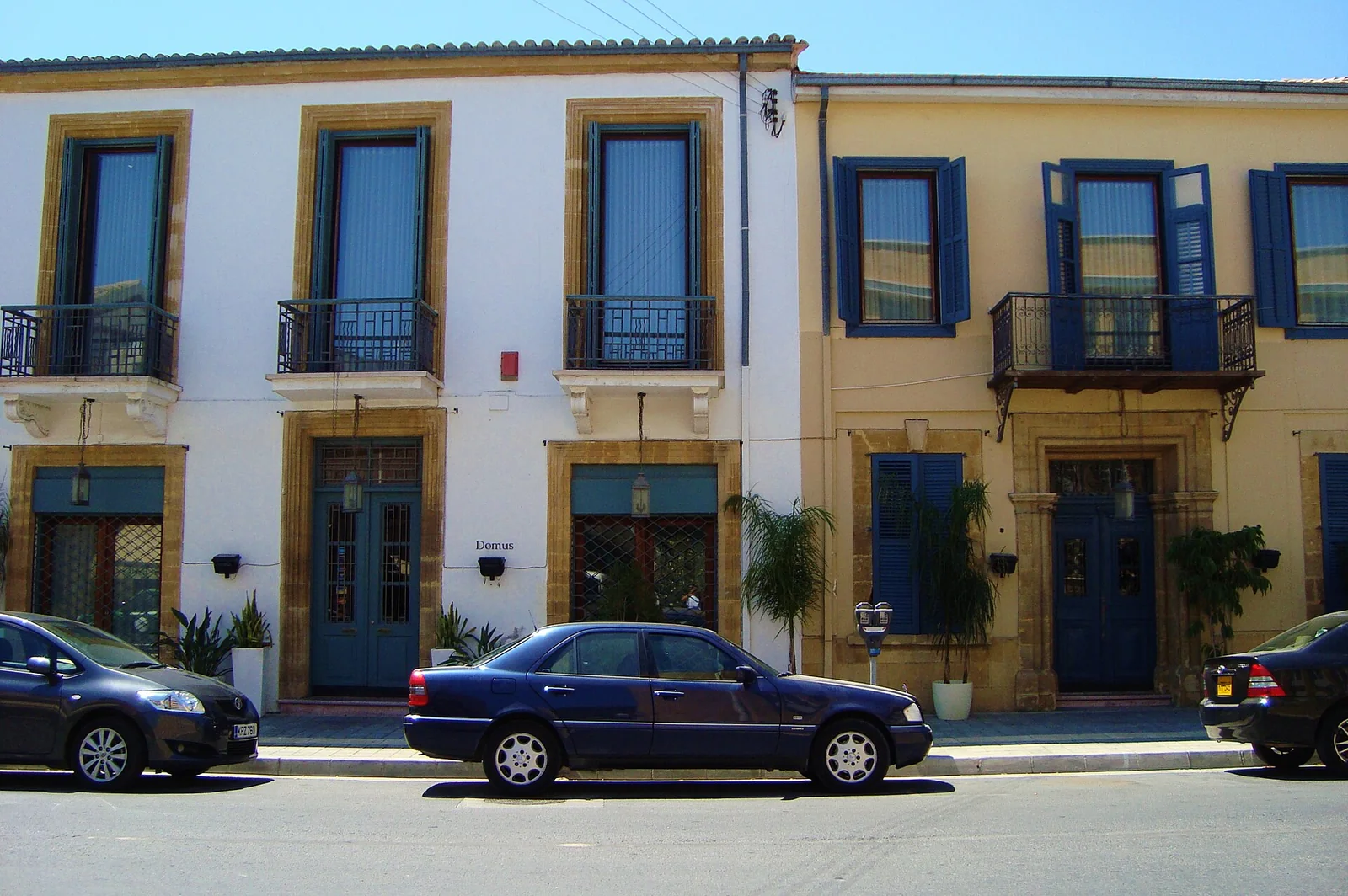
Kaimakli is one of Nicosia's most characterful neighbourhoods. Once a separate village, it has been part of the City of Nicosia since 1968. In the 19th and 20th centuries its residents were known for their building skills, and the neighbourhood still has many traditional houses, narrow lanes and old churches, including St Barbara's and Archangel Michael.
Today it mixes restored stone homes, older family houses and modern apartment blocks. It has a strong local identity, neighbourhood football and basketball clubs, and coffee shops where locals gather. Some streets are beautifully kept; others still have empty or run-down buildings waiting for restoration.
The Green Line, the UN-controlled buffer zone, runs along Kaimakli's northern side. The northern part of the original neighbourhood, known as Omorfita, lies north of the line and is not under the control of the Republic of Cyprus. In practice, this means some streets near the buffer zone are very quiet and end at barriers.
Where is Kaimakli and how do you get around?
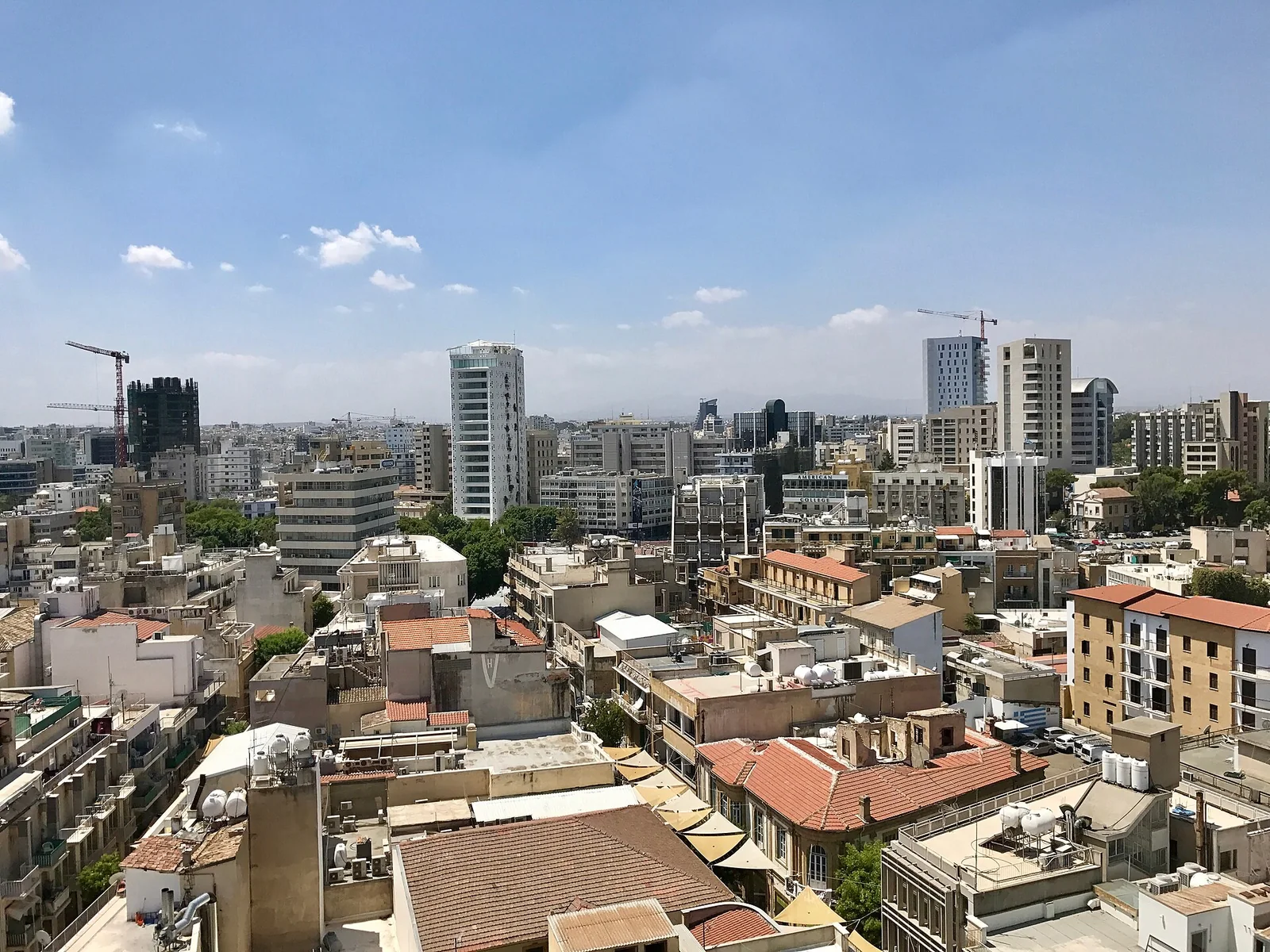
Kaimakli lies just north-east of the Venetian walls of Nicosia's old town. The city centre is usually about 5–10 minutes away by car, and parts of the neighbourhood are within walking or cycling distance of the walled city. Larnaca Airport is roughly 45 minutes away and Limassol about an hour.
Buses connect Kaimakli with the city centre and other districts; see our guide to public transport. Because it is so central, some residents manage with fewer car journeys, but most still keep a car for shopping and travel outside the city.
Neighbourhoods and places in Kaimakli
Kaimakli is compact, but it has distinct corners: the protected old core, the streets around its two historic churches, the green strip along the old railway and the quiet edge by the buffer zone.
The old core: an Area of Special Character
The oldest part of Kaimakli has been designated an Area of Special Character by the planning authorities, thanks to its traditional neoclassical architecture. The typical house here is stone-built around an inner courtyard, on a narrow street. Kaimakli's builders were famous across Nicosia: when the old Pedieos riverbed through the city was covered over in 1881, much of the work that created Hermes Street in the old town was done by builders from Kaimakli.
In recent years the neighbourhood has drawn young Cypriot and European artists, designers and professionals, as well as newcomers from Africa, Syria and Lebanon, so the population is more mixed than in most of Nicosia's suburbs. It suits creatives, couples and buyers who are happy to restore. Tip: work on homes in a protected area can need extra planning approvals, so speak to an architect before you buy a house you plan to alter.
Around St Barbara's church
The church of Agia Varvara (St Barbara) is Kaimakli's best-known landmark and holds old icons, including an icon of the Virgin Mary dated 1763. The church is the natural centre of the old neighbourhood, and the lanes around it are a good place to start if you want a traditional house within reach of the old town on foot or by bike.
Around Archangel Michael's church
Kaimakli's other historic church, Archangel Michael, once also served as the neighbourhood's cemetery church. Like much of Kaimakli, the surrounding streets mix older family houses, some restored and some not, with more modern apartment blocks. Tip: many older homes here have little or no private parking, so check the street at night before you sign.
The old railway and linear park
The Cyprus Government Railway ran through Kaimakli from 1905, with a halt and siding opening here in 1909. The line closed on 31 December 1951, and the station, at the junction of St Hilarion and Synergasias streets, was restored in 1995. More than a kilometre of the old track has been turned into the Kaimakli linear park, a shady walking and cycling path under large old trees, where you can still see sections of rail.
Homes near the park suit families with young children and dog owners. Tip: the path is a pleasant, flat route for an early-morning run before the summer heat.
The buffer zone edge and Omorfita
The Green Line divides the original neighbourhood. The southern part, sometimes called Big Kaimakli, is administered by the Republic of Cyprus, while the northern part, known as Omorfita (Küçük Kaymaklı), lies north of the line. Streets near the buffer zone are very quiet and often end at barriers.
This edge can suit people who want calm and low prices, but it feels isolated after dark. Tip: walk the area at different times of day before you choose a home close to the line.
Local sport and community life
Kaimakli has a strong sporting tradition. Achilleas, a basketball club founded in 1943, also runs volleyball and table tennis, and the neighbourhood has three football clubs: Omonoia Voreiou Polou, Kaimakli and Morfotikos Kaimakli. For children, joining a local club is one of the quickest ways to make friends.
Map it · Walking route
A church and railway walk in Kaimakli
- St Barbara's church
- Archangel Michael's church
- Kaimakli railway station
- Kaimakli linear park
Opens Google Maps with every stop in order. Opening hours can change, so check before you go.
Who is Kaimakli best for?
- Professionals who want a short commute to central Nicosia.
- Creatives and history lovers drawn to traditional architecture.
- Couples and singles looking for character at a lower price than many central areas.
- Buyers willing to renovate an older property.
Homes and cost of living
Housing ranges from traditional stone houses, some carefully restored and some needing major work, to older family homes and modern apartment blocks. Kaimakli is generally more affordable than many central and western parts of the Nicosia district, although restored traditional homes can command a premium. If you are buying an older or listed property, budget time for permits and specialist renovation.
What does it cost to live here?
There is little published data for Kaimakli itself, so these Nicosia-wide asking prices (as of October 2026, rounded) are the best guide:
- Rent: about €550-€850 a month for a studio or one-bedroom flat, €750-€1,150 for a two-bedroom and €950-€1,500 for a three-bedroom. Older flats in Kaimakli tend to sit in the lower half of these ranges.
- Buying: older resale flats in Nicosia typically ask €1,700-€2,400 per m². Unrenovated traditional houses near the walls can be cheaper per m², but renovation costs add up quickly.
Nicosia district sale prices rose about 6% year on year in the second quarter of 2026, the slowest rise of the five districts, and rents in the capital have been broadly flat this year.
Schools, healthcare and everyday services near Kaimakli
Schools
- State schools: Kaimakli has public primary schools and kindergartens. The nearest state secondary schools include Pallouriotissa Gymnasium on Aigeos Street and Pallouriotissa Lyceum, with the Pancyprian Gymnasium in the old town. Places are allocated by address; see the Ministry of Education's school lists and our guide to enrolling in a public school.
- American Academy Nicosia: in the Agios Andreas quarter of central Nicosia.
- The English School: in Strovolos.
- The Junior and Senior School: the junior school is on Kyriakou Matsi Avenue in Agioi Omologites; the senior school is in Latsia.
- American International School in Cyprus: on Kassos Street in Agioi Omologites.
- Ecole Franco-Chypriote: the French-Cypriot school, in Aglantzia.
See our guide to international schools for more.
Hospitals and clinics
- Nicosia General Hospital: the district's main public hospital, on the old Nicosia–Limassol road in Strovolos.
- Archbishop Makarios III Hospital: the state children's hospital, in Akropolis.
- Private hospitals in Strovolos: the American Medical Center on Spyrou Kyprianou Avenue, Apollonion Private Hospital on Lefkotheou Avenue and Aretaeio Hospital on Andrea Avraamidi Street.
- GP and GESY: register with a personal doctor close to home through GESY, the national health system, which also covers referrals to specialists and hospitals.
Shopping and services
- Shopping: local supermarkets, bakeries, pharmacies and cafés, with more choice in the city centre and the large supermarkets along the main avenues. See our supermarket guide.
- Municipality: Kaimakli has been part of Nicosia Municipality since 1968.
- Post office: Cyprus Post runs the Lefkosia District Post Office at 100 Prodromou Street, Strovolos, which also houses a Citizen Centre (KE.PO.) for many government services.
- Government Citizen Service Centres: the Nicosia centres on Athalassa Avenue and Makarios Avenue handle many state services and payments in person.
- Buses: Cyprus Public Transport runs the Nicosia urban and suburban routes; check live routes and timetables on its website or read our public transport guide.
Things to do in and around Kaimakli
The Kaimakli linear park follows the route of the old Cyprus Government Railway, which closed in 1951, and the restored railway station is a reminder of the line's history. Wandering the older lanes and churches is a pleasure in itself.
The walled old town is on your doorstep, with museums, galleries, cafés, bars and restaurants. Further afield, Athalassa National Forest Park is a short drive away, and the nearest beaches are around Larnaca.
Pros and cons of living in Kaimakli
Pros
- Very close to the old town and city centre
- Traditional architecture and a strong local identity
- Generally more affordable than many central areas
- Some walkable and cyclable routes into town
Cons
- Mixed condition of buildings, with some in need of restoration
- Quiet, dead-end streets near the buffer zone
- Older homes can mean limited parking and outdoor space
- Hot inland summers and no beach nearby
Want to compare neighbourhoods? Try our area finder.
Plan my trip
Want us to plan your days in Cyprus?
Tell us where you’re going, for how many days and what you love. We’ll send you a plan made for you, with places to see, where to eat and a Google Maps route for each day.
Compare other areas in Nicosia
Recommended for this guide
Contains affiliate links Booking.com
Frequently asked questions
Which part of Kaimakli is nicest to live in?
The lanes around St Barbara's church have the most traditional character and are closest to the old town. Homes near the linear park suit families and walkers, while streets by the buffer zone are the quietest but can feel isolated.
Is Kaimakli a good place to live for expats?
Yes, for expats who like traditional neighbourhoods and want to be close to the city centre. It has a local, authentic feel, though some streets are a mix of restored homes and older buildings in need of work.
Is Kaimakli good for families?
It can suit families who prefer a central, established area, with local schools and parks nearby. Families wanting newer homes with large gardens may prefer the suburbs.
How far is Kaimakli from the city centre and the airport?
The old town is very close, usually about 5–10 minutes by car. Larnaca Airport is roughly 45 minutes away and the nearest beaches, around Larnaca, are a similar drive.
Do you need a car in Kaimakli?
Not always. Its central position means walking, cycling, buses and taxis cover a lot, although a car is still useful for shopping and trips beyond the city.
Is Kaimakli expensive?
It is generally more affordable than many central and western parts of Nicosia, although restored traditional houses can command a premium. As a guide, Nicosia flats ask roughly €550-€850 a month for a one-bedroom and €750-€1,150 for a two-bedroom as of October 2026.
Useful links
- Nicosia Municipality
- Visit Nicosia: 10 walks to take around Nicosia
- List of hospitals in Cyprus – GOV.UK
- Public secondary general education schools – Ministry of Education, Sport and Youth
- Private secondary general education schools – Ministry of Education, Sport and Youth
- Private primary schools – Ministry of Education, Sport and Youth
Sources (21)
- Nicosia Municipality
- Visit Nicosia: 10 walks to take around Nicosia
- Apartments for Rent in Cyprus: Complete District-by-District Guide (2026) – INDEX.cy
- Property Prices in Cyprus: The Complete 2026 Guide by District & Type – INDEX.cy
- Nicosia Property Market 2026: Prices, Trends & Best Areas to Buy – INDEX.cy
- Limassol remains Cyprus' most expensive city for renters (23 July 2026) – Cyprus Mail
- Cyprus property prices climb as foreign demand stays strong, CBC says (24 September 2026) – Cyprus Mail
- Kaimakli – Wikipedia
- About Kaimakli – PAME Kaimakli
- Kaimakli Railway Station Linear Park – INDEX.cy
- Administrative divisions of Nicosia – Wikipedia
- American Academy Nicosia – Wikipedia
- The Junior and Senior School – Cyprus Mail schools guide
- The American International School – Cyprus Mail schools guide
- List of hospitals in Cyprus – GOV.UK
- Public secondary general education schools – Ministry of Education, Sport and Youth
- Private secondary general education schools – Ministry of Education, Sport and Youth
- Private primary schools – Ministry of Education, Sport and Youth
- Citizens Centers (KE.PO.) – Cyprus Post
- Work to cut wait times at citizens service centre (10 September 2024) – Cyprus Mail
- Local government reform (Cyprus) – Wikipedia