Summarise this page 8 key points · 1 minute
- Why do Cyprus homes get damp in winter?Homes here are built to stay cool in summer.
- Is mould in the house bad for your health?Yes, and it is worth acting quickly.
- How do you stop condensation and mould?Short blasts of heat followed by cold nights make condensation worse.
- Which dehumidifier should you buy?A dehumidifier is the single most useful purchase for a damp Cyprus home.
- Where can you buy a dehumidifier in Cyprus?All these chains sell dehumidifiers online and in their stores; ranges change through the season.
- How do you clean mould safely?Fix the cause first, or the mould will come back within weeks.
- Is there a grant for insulation in 2026?The Save and Upgrade Homes 2026 scheme (Εξοικονομώ – Αναβαθμίζω στις Κατοικίες), run by the Ministry of Energy, Commerce and Industry with EU funds, has a €20 million budget.
- Who pays for damp repairs when you rent?There is no specific Cyprus law on damp or mould, so it comes down to your contract and the type of tenancy (see our renting guide).
Quick answer
Most winter damp in Cyprus homes is condensation: moisture from cooking, showers, breathing and drying laundry settles on cold, poorly insulated concrete walls and windows, and mould follows within weeks. Steady heating, short daily airing, extractor fans and a compressor dehumidifier of around 12–20 litres a day fix most cases; leaks from roofs, terraces or rising damp are building defects that need repair. If you rent, report the problem to your landlord in writing with photos: your contract decides most repair duties, and statutory tenants can ask the Rent Control Court to order repairs.
- Condensation on cold walls, not rain, causes most black mould in Cyprus homes in winter; leaks and rising damp are less common but need building repairs.
- WHO links damp and mould indoors with asthma, respiratory infections, coughing and wheezing; children with asthma are especially affected.
- Dehumidifier capacities are measured at 30°C and 80% humidity, so in a 20°C Cyprus flat a unit extracts far less than its label; compressors suit heated rooms, desiccants cold ones.
- The 2026 Save and Upgrade Homes grant (up to €32,000, insulation and windows included) takes applications online from 20 October to 30 December 2026, for owners of homes connected before 2008.
- Tenants: report damp in writing with dated photos; do not stop paying rent without legal advice, because a court order is generally needed.
Black spots in the corner of the bedroom, a musty wardrobe, water running down the windows in the morning: damp is one of the most common winter problems in Cyprus homes. In most cases it is condensation on cold, uninsulated walls, and steady heating, daily airing and a good dehumidifier keep it under control. Leaks and rising damp are different: they are building defects, and if you rent they are usually for the landlord to fix.
Our winter in Cyprus guide has the quick tips. Here we go further: what is causing your damp, what it does to your health, which dehumidifier to buy and where, how to clean mould safely, the 2026 grant for insulation, and what tenants can ask of a landlord.
Why do Cyprus homes get damp in winter?
Homes here are built to stay cool in summer. Concrete frames, brick infill, tiled floors, little or no insulation in older buildings and, often, single-glazed aluminium windows mean the inside surfaces get cold on winter nights. Almost one in six people in Cyprus could not keep their home warm in winter as of February 2026, so many rooms spend the season cool and closed.
There are four main causes, and it is worth working out which one you have before spending money.
| Cause | Typical signs | Who usually fixes it |
|---|---|---|
| Condensation | Water on windows in the morning; black mould in corners, behind furniture, inside wardrobes, around window frames and on bathroom ceilings; worse in cold rooms | Day-to-day habits plus heating and ventilation; insulation in the long term |
| Cold spots (thermal bridges) | Mould in a line along the ceiling, around concrete columns and beams, or under the windows | Insulation; often a building issue |
| Roof or terrace leaks | Brown tide marks or bubbling paint on the top-floor ceiling, appearing after rain; flat roofs and terraces with failed waterproofing | The owner (landlord) |
| Rising damp or plumbing leaks | Damp band at the bottom of ground-floor walls, flaking plaster, salt deposits; or a patch that grows whatever the weather | The owner (landlord) |
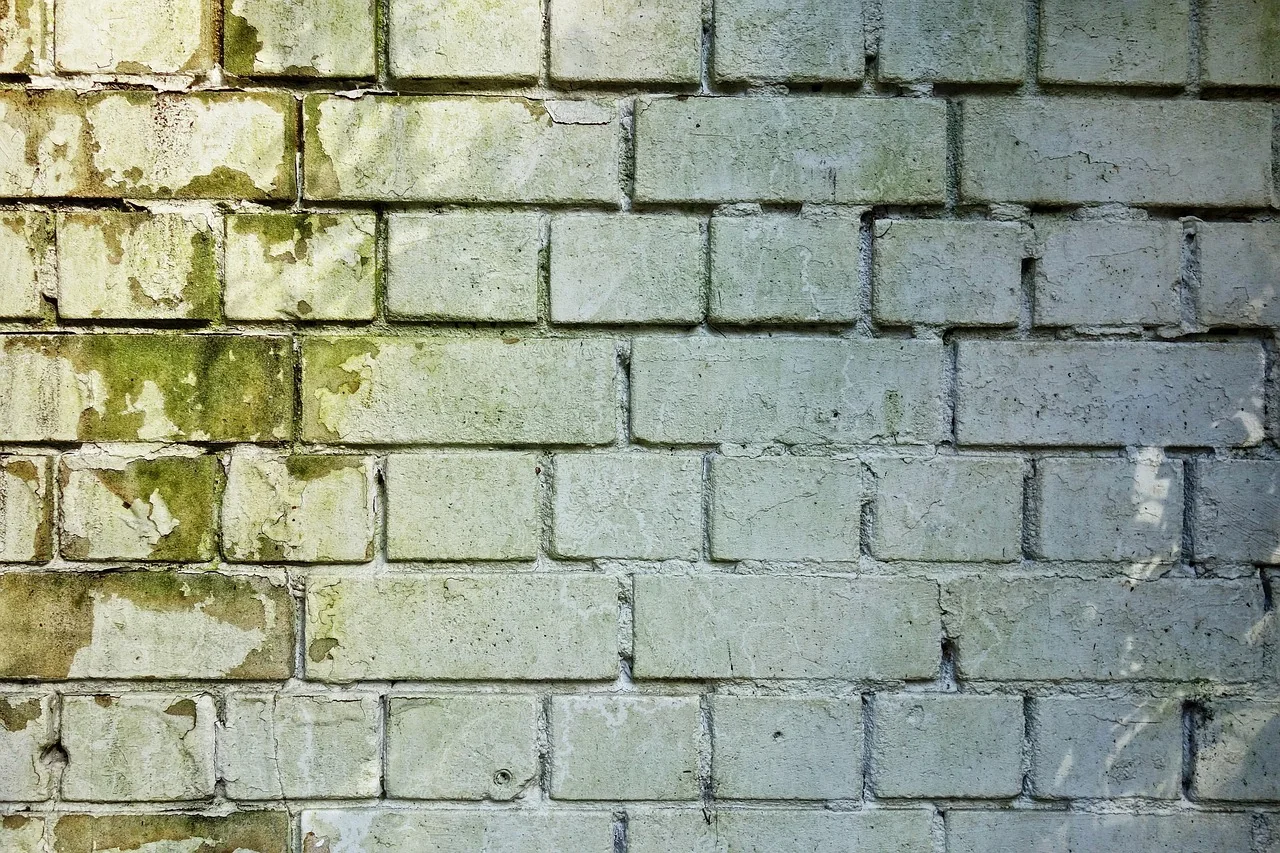
Condensation is by far the most common. Warm air holds moisture from cooking, showers, breathing and above all drying laundry indoors. When it touches a surface colder than its dew point, the water comes out on that surface. Concrete columns and beams in the outside walls are colder than the brick around them, which is why mould often draws the outline of the building's frame.
Leaks show up after storms and do not go away when you heat and ventilate. Top-floor flats under a flat roof, and flats under a neighbour's terrace, are the typical victims. Rising damp, where groundwater moves up through a ground-floor wall, is less common and needs a professional diagnosis.
A quick test: tape a square of kitchen foil to the damp wall for a couple of days. Water on the room side of the foil means condensation; damp underneath means the moisture is coming through the wall.
Is mould in the house bad for your health?
Yes, and it is worth acting quickly. The World Health Organization's guidelines on dampness and mould found sufficient evidence linking damp and mouldy homes with:
- the development and worsening of asthma;
- respiratory infections;
- coughing, wheezing, breathlessness and upper respiratory symptoms.
The evidence is weaker but suggestive for allergic rhinitis and bronchitis. People with and without allergies are both affected, and the WHO review found strong evidence that damp worsens asthma in children who already have it. In one study it cites, removing the sources of damp and cleaning visible mould sharply reduced asthma attacks. If anyone in the household has asthma, a weak immune system or a persistent cough, talk to your personal doctor through GESY and mention the damp.
How do you stop condensation and mould?
- Keep a low, steady heat. Short blasts of heat followed by cold nights make condensation worse. Our heating costs guide shows what that costs in 2026.
- Air the rooms briefly every day. Open windows wide for five to ten minutes rather than leaving them on the latch all day, especially in the bedroom in the morning.
- Use the extractor fans. Run the cooker hood while cooking and the bathroom fan during and after showers, with the door closed. If there is no fan, open the window after showering.
- Dry laundry outside or with a dehumidifier. On rainy days, dry clothes in one room with the door shut and the dehumidifier running, not on radiators or chairs around the flat.
- Avoid bottled-gas heaters if you can. They release a lot of water vapour into the room.
- Give walls space. Keep wardrobes and beds a few centimetres from outside walls and leave wardrobe doors ajar.
- Wipe windows each morning and empty the window channels so water doesn't soak into the frames.
Which dehumidifier should you buy?
A dehumidifier is the single most useful purchase for a damp Cyprus home. There are two types.
| Compressor | Desiccant | |
|---|---|---|
| How it works | Cools air over a cold coil so the water condenses | A moisture-absorbing wheel takes water from the air, then a heater dries the wheel |
| Best for | Heated rooms, roughly 15°C and above | Cold, unheated rooms below about 10–15°C |
| Typical power use | About 150–260 W, depending on size | About 330 W |
| Side effect | Air comes out slightly warmer | Air comes out about 10–12°C warmer, which warms the room |
Power use measured at 20°C and 60% humidity.
For most flats and houses that are heated in the evening, a compressor model is cheaper to run. A desiccant suits a cold holiday home, a storeroom or a mountain house left unheated.
How many litres a day do you need?
The litres-per-day figure on the box is measured at 30°C and 80% humidity, conditions you will never have indoors in a Cyprus winter. In tests at 20°C and 60% humidity, a 10-litre compressor unit removes about 3.9 litres a day. As a rough guide:
- bedroom or studio: 10–12 litres;
- one- or two-bedroom flat, or drying laundry: 16–20 litres;
- large house or very damp ground floor: 25 litres or more, or one unit per floor.
Look for a humidistat (set it to about 50–55%), a continuous drain hose option and a laundry mode.
What does it cost to run?
At around 30 cents per kWh all-in (see our heating guide for how that is made up), a 200 W compressor unit running eight hours a day uses 1.6 kWh, or roughly 48 cents a day. This is our estimate; a humidistat cuts it because the unit stops once the room is dry.
Where can you buy a dehumidifier in Cyprus?
All these chains sell dehumidifiers online and in their stores; ranges change through the season.
| Shop | What you'll find | Link |
|---|---|---|
| Stephanis | Cypriot electrical chain with large stores in Nicosia and Larnaca among others; dehumidifiers and air purifiers | stephanis.com.cy |
| Electroline | Electrical retailer; De'Longhi, Inventor, Meaco and Life models | electroline.cy |
| Kotsovolos | Greek electrical chain with stores in Cyprus | kotsovolos.cy |
| Superhome Center | DIY and home store; dehumidifiers, moisture absorbers, anti-mould paints and sprays | superhome.com.cy |
On 19 October 2026, Superhome Center's online range ran from €99.99 for a small 60 W unit and €169.99 for a 10-litre model to €398.99 for a 25-litre De'Longhi. Prices change often, so compare before you buy. Cheap moisture-absorber tubs, also sold at Superhome Center, help in a wardrobe but will not dry a room.
How do you clean mould safely?
- Fix the cause first, or the mould will come back within weeks.
- Protect yourself: gloves, a mask and open windows. People with asthma should not do the cleaning.
- Don't brush it dry, which spreads spores. Spray an anti-mould product, follow the label and wipe with disposable cloths.
- Let the wall dry fully, then repaint with an anti-mould paint if needed.
- Throw away badly affected soft items, such as mattresses or carpets that smell musty after cleaning.
- Call a professional for patches larger than about a square metre, recurring leaks or rising damp. If you rent, tell the landlord before any work.
Is there a grant for insulation in 2026?
Yes, for owners. The Save and Upgrade Homes 2026 scheme (Εξοικονομώ – Αναβαθμίζω στις Κατοικίες), run by the Ministry of Energy, Commerce and Industry with EU funds, has a €20 million budget. As of October 2026:
- Applications: online only, from 09:00 on 20 October 2026 to 23:59 on 30 December 2026, or earlier if the money runs out; first come, first served.
- Grants: up to €32,000 for a near zero-energy upgrade (Category A) or €24,000 (Category B), with higher grants for vulnerable consumers, mountain areas and refugee housing.
- Works covered: wall and roof insulation, new windows and doors, shading, solar water heaters, efficient air conditioners and heat pumps, PV and batteries, and the energy expert's fees.
- Conditions: the home belongs to a private individual, has a domestic EAC account in an individual's name, was first connected to the grid before 1 January 2008 (or had a permit application by 21 December 2007), and the works must cut primary energy use by at least 60%. You need an energy performance certificate dated 15 May 2026 or later before applying, and works must start after that certificate.
Details are in the official call; the scheme helpline is 17107. Tenants cannot apply in their own right, but it is worth telling your landlord about it. Owners can also claim the 2026 green tax deduction explained in our tax reform guide.
Who pays for damp repairs when you rent?
There is no specific Cyprus law on damp or mould, so it comes down to your contract and the type of tenancy (see our renting guide).
- Free-market tenancies (most expats): the contract decides. Landlords must provide a property that is secure and fit for its use, and hazardous defects must be fixed within a reasonable time. Outside rent control there is no general implied duty to repair, so a clear repairs clause matters. Disputes go to the District Court.
- Statutory tenancies under the Rent Control Law (homes in controlled areas completed by the end of 1999, after the original contract ends): the landlord keeps the shell, roof and main installations in repair unless agreed otherwise, and the tenant looks after the interior. If the landlord fails to act, the Rent Control Court can order the repairs, reduce the rent or let the tenant do the work and deduct the cost.
In practice: leaks, failed roof waterproofing, broken extractor fans, faulty pipes and rising damp are the landlord's; everyday condensation is shared, and you are expected to heat, air and report problems promptly. Tenants must return the home in the condition received apart from fair wear and tear, so mould you ignored can cost you part of your deposit.
How to document it and ask the landlord
- Take dated photos and short videos of the damp, the mould and any leak, plus a humidity reading if you have a hygrometer.
- Write to the landlord or agent by email or message, describing the problem, when it started and what you have done (heating, airing, dehumidifier).
- Ask for specific action and a date, for example a roofer's inspection within two weeks.
- Keep everything: replies, receipts for dehumidifiers or cleaning products, damaged belongings.
- Keep paying rent electronically. Tenants generally cannot withhold rent without a court order; take advice from a lawyer through the Cyprus Bar Association before doing anything drastic.
Protecting your deposit
There is no government deposit protection scheme in Cyprus. Deductions are allowed for unpaid rent and damage beyond fair wear and tear. Your written reports and photos show the mould came from a defect rather than neglect, so keep them until the deposit is back.
What to do next
Start with the tips in winter in Cyprus: weather and staying warm, then work out your heating budget with our heating costs guide. If you are about to sign a lease, read renting in Cyprus: contracts, deposits and tenant rights and ask the landlord about damp, roof waterproofing and last winter's bills before you commit.
Recommended for this guide
Contains affiliate links Airalo
 Discover Cars
Frequently asked questions
Why is my house in Cyprus so damp in winter?
Most Cyprus homes have concrete frames, little insulation and often single glazing, so walls and windows get cold at night. Warm, moist indoor air from cooking, showers and drying clothes condenses on those cold surfaces, especially in corners, behind wardrobes and on north-facing walls, and mould grows there.
What size dehumidifier do I need for a flat in Cyprus?
For a bedroom or small flat, a 10–12 litre compressor unit is usually enough; for a larger flat, or if you dry laundry indoors, choose 16–20 litres. Label capacities are measured at 30°C and 80% humidity, so at normal winter room temperatures a unit removes much less, which is why a size up is often worth it.
Is the landlord responsible for mould in Cyprus?
It depends on the cause and your contract. A leaking roof, terrace or pipe, or a structural defect, is normally the landlord's to fix, and law firms advise that hazardous defects must be repaired within a reasonable time. Mould caused by everyday condensation is usually shared: the landlord provides a sound home and the tenant heats and ventilates it. Put your complaint in writing with photos.
Can I stop paying rent because of mould in Cyprus?
Not without legal advice. Tenants generally cannot withhold rent without a court order. Statutory tenants can apply to the Rent Control Court, which can order repairs or a rent reduction; other tenants go to the District Court. Speak to a lawyer first.
Is there a grant for insulation in Cyprus in 2026?
Yes. The Save and Upgrade Homes 2026 scheme pays up to €32,000 (Category A) or €24,000 (Category B) for upgrades such as insulation, new windows and heat pumps that cut primary energy use by at least 60%. Applications run online from 20 October to 30 December 2026 or until the €20 million budget runs out, and you need an energy performance certificate first.
Useful links
- Save and Upgrade Homes 2026 – official call (Funding Programmes Portal)In Greek; scheme helpline 17107
- WHO – Guidelines for indoor air quality: dampness and mould
- Stephanis – air purifiers and dehumidifiers
- Superhome Center – dehumidifiers
- Superhome Center – moisture absorbers
- Electroline
- Kotsovolos Cyprus
- Cyprus Bar Association – find a lawyer
Sources (10)
- WHO Regional Office for Europe – WHO guidelines for indoor air quality: dampness and mould (2009)
- WHO – Dampness and mould guidelines, chapter 4: Health effects (NCBI Bookshelf)
- Funding Programmes Portal (gov.cy) – Save and Upgrade Homes grant scheme 2026
- Cyprus Mail – €20 million home energy upgrade scheme opens on October 20 (30 September 2026)
- Cyprus Mail – Cyprus bleeds money each winter (6 February 2026)
- Cyprus Mail – What happens when a tenant damages property, George Coucounis (18 November 2024)
- AGP Law – Landlords and tenants in Cyprus: rights and obligations (updated November 2025)
- Landager – Cyprus maintenance obligations for residential lettings (May 2026)
- Meaco – When to buy a desiccant or a compressor dehumidifier
- Meaco – Why dehumidifier capacities are not what they seem