

Quick answer
Traditional Cypriot dishes reflect village life: hearty, preserved and slow-cooked food in the Troodos mountain villages, and lighter, fresh fish and seafood on the coast. The menu follows the seasons, and recipes are passed down through families rather than written in cookbooks. Villages such as Omodos, Tochni, Kalopanayiotis and Polis are good places to try the dishes.
- Mountain villages cook with what can be grown, raised or preserved, such as kleftiko, trahana soup and cured sausages.
- Coastal villages favour fresh fish, grilled with olive oil, lemon and herbs.
- The menu changes with the seasons, from spring wild greens to autumn grape harvest dishes.
- Recipes are passed down through families, with weddings, Easter baking and Sunday lunches central to village life.
- Omodos, Tochni, Kalopanayiotis and Polis are good starting points for village tavernas.
Anyone who has sat at a village taverna in Cyprus, with local wine in hand and grilled lamb in the air, knows the food is special. Its appeal goes beyond taste. It reflects community, heritage and traditions passed from one generation to the next. Each village has its own signature flavours. In the mountains, clay ovens produce tender meats, while fresh fish takes centre stage by the sea. These dishes are cooked, shared, celebrated and debated good-naturedly. This guide explores what they reveal about village life on the island.
How do mountains and coast shape Cypriot dishes?
Mountain villages: hearty, practical and full of flavour
In the Troodos Mountains, life and food both move slowly. Families cook with what they grow, raise or preserve, and anything that can be pickled, dried or stored through winter usually is. Examples include:
- Slow-roasted kleftiko wrapped in parchment.
- Trahana soup warming homes on frosty January evenings.
- Pork sausages marinated in red wine and hung to cure in the mountain air.
This cooking fills homes with the smells of history as well as with food.
Coastal villages: fresh, zesty and full of the sea
On the coast, food is lighter and quicker. Fish is caught fresh and cooked fast, often grilled with olive oil, lemon and herbs. Examples include:
- Grilled seabream with oregano, a lunchtime staple.
- Octapodi krasato (octopus in wine), a taverna favourite.
- Kolokouthkia me afka (courgettes with eggs), a comforting dish.
Coastal cooking matches a lifestyle that is simple, sunny and focused on whatever is fresh and available.
Which signature dishes reflect regional lifestyles?
Hearty mountain specialities
- Kleftiko: Lamb slow-cooked with garlic, oregano and lemon until it nearly falls apart. The dish is said to have originated with rebels hiding in the hills, which is where the name comes from. It rewards patience.
- Trahana soup: A tangy, creamy, filling soup made with fermented wheat and goat's milk, often topped with chunks of halloumi. It is winter comfort in a bowl.
- Ttavas Lefkaritikos: A Lefkara favourite of lamb and rice baked in a clay pot with cinnamon and tomato until the flavours blend.
- Soutzoukos and palouze: During grape harvest season, strings of almonds dipped in thick grape must dry in the sun. The result is sweet, chewy and labour-intensive.
- Loukanika and lountza: Wine-soaked, spice-rubbed pork sausages and smoked pork loin. They are the mountain version of charcuterie, best served with bread, olives and a drink.
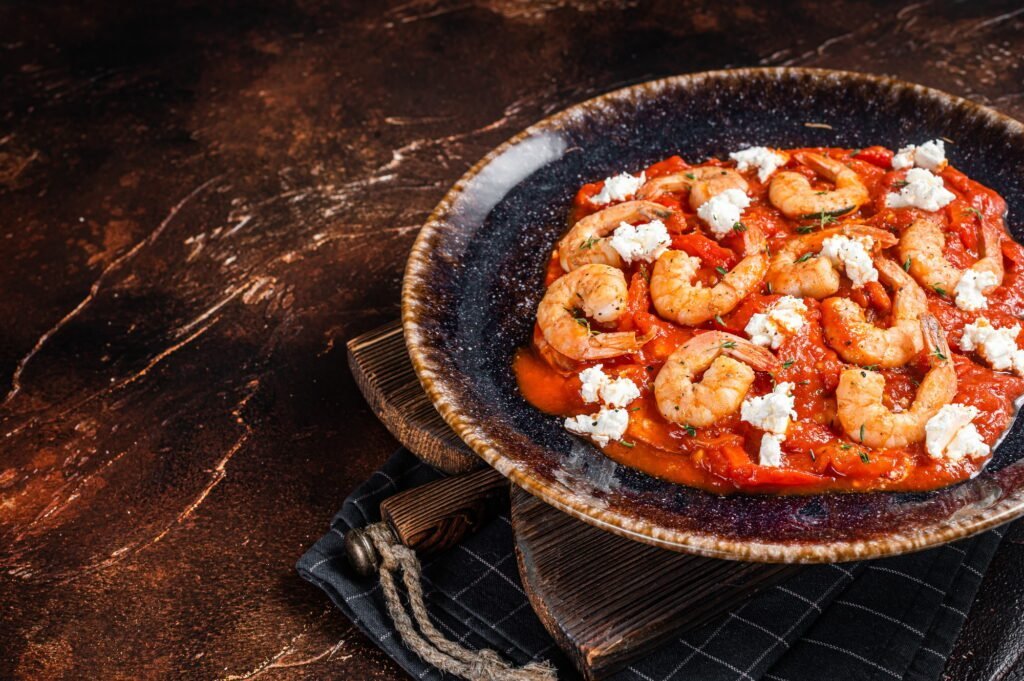
Light and fresh coastal favourites
- Grilled fish with lemon and oregano: Served whole, bones included. Locals will show you how to eat it. It is fresh and unfussy.
- Octapodi krasato: Tender octopus slow-cooked in red wine and spices. Village bread is good for soaking up the sauce.
- Kolokouthkia me afka: Courgettes sautéed with eggs and a touch of salt. It is rustic, humble and very moreish.
- Shrimp saganaki: Juicy shrimp in rich tomato sauce with crumbled feta, like summer served in a clay dish.
- Marinated anchovies (gavros): Cured in lemon and herbs, these are a popular meze. A splash of ouzo completes the local experience.
How do seasons and climate shape the menu?
The menu in Cyprus changes with the weather.
- Spring brings wild greens, fresh cheeses and herbs picked from the hills.
- Summer calls for chilled dishes such as bean salads, grilled vegetables and fruit spoon sweets.
- Autumn centres on grapes, from wine to palouze, during the harvest.
- Winter is for soups, slow roasts and food that suits sitting by the fire.
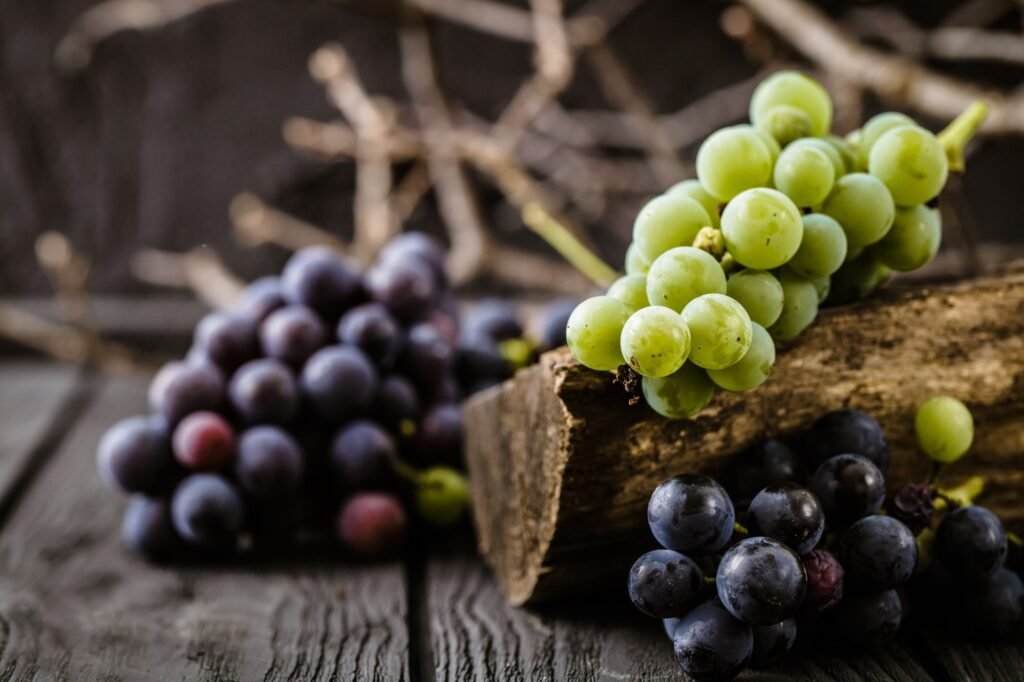
Village cooking adapts to the seasons and celebrates them. Each season has its star ingredients, and each dish signals the time of year without a calendar.
Why does food matter in Cypriot village life?
In Cypriot villages, food is a memory as much as a meal. It is how people connect, celebrate and pass on traditions. Recipes are rarely written down. They are learned by watching a yiayia (grandmother) cook without measuring, judging doneness by smell. Examples include:
- Weddings with kleftiko and loukoumades served by the tray.
- Easter baking of flaounes with the whole extended family.
- Casual Sunday lunches that turn into multi-course meals as neighbours drop in.
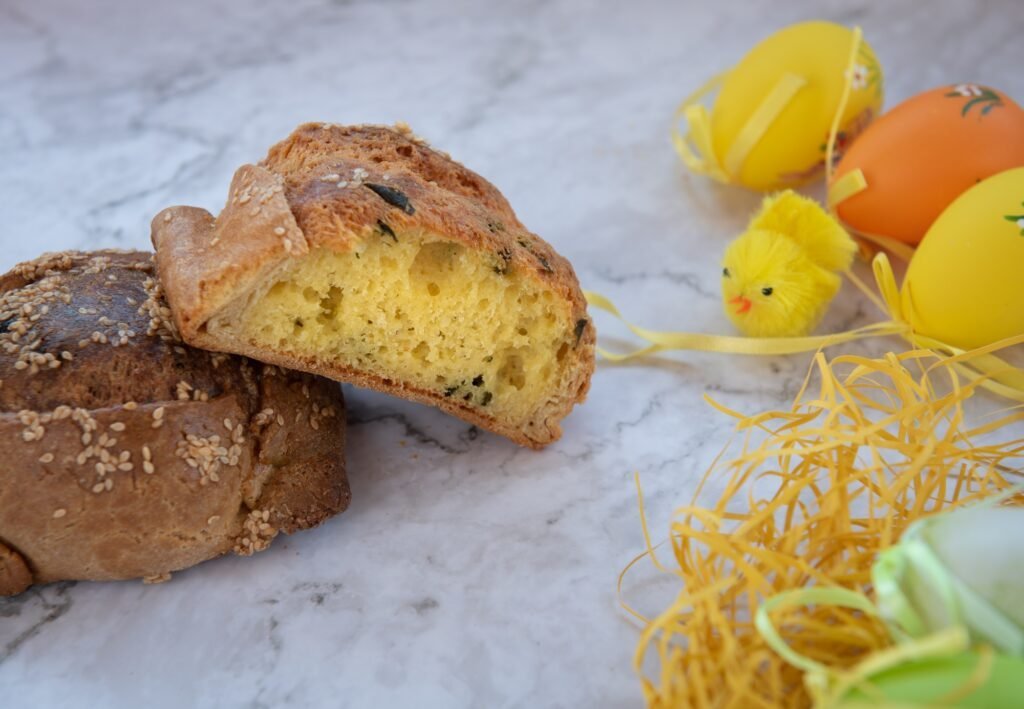
Sharing a meal is central to the culture. The food is half the story, and the people you share it with are the other half.
How can you experience traditional Cypriot dishes today?
For travellers and expats
To eat these dishes as they were meant to be eaten, visit the villages.
- Where to go: Omodos, Tochni, Kalopanayiotis and Polis are good starting points.
- What to look for: Family-run tavernas, small daily menus and staff who make you feel like family.
- What to ask: Order the dish of the day, which the chef has usually been cooking since morning.
Bringing it home
You do not need a clay oven. These dishes can be recreated in a regular kitchen:
- Oven-baked kleftiko with rosemary and garlic.
- Trahana soup with tomato and chunks of halloumi.
- Shrimp saganaki as an easy one-pan dinner.
- Palouze with crushed walnuts as a sweet treat.
Pro tip: ask at a local market or bakery. Someone will likely be happy to share a family recipe, or three.
What do traditional dishes say about village life?
Traditional Cypriot dishes are snapshots of village life, rich in flavour and meaning. Whether it is a clay-pot stew simmering all afternoon or fish grilled by the sea, each recipe has a story, a purpose and a place in daily life. To understand Cyprus, eat like the locals: slow down, pull up a chair and let the food do the talking.
Recommended for this guide
Contains affiliate linksFrequently asked questions
What are the most traditional Cypriot dishes to try?
Start with kleftiko, trahana soup, loukanika and octapodi krasato. They are rooted in local tradition and full of flavour.
Are traditional Cypriot dishes hard to make at home?
Not especially. Most use simple ingredients and methods, so they require more time and technique than specialised equipment.
Is there much vegetarian food in Cypriot village cuisine?
Yes. Dishes such as louvi, kolokouthkia me afka and lentil stew come from fasting traditions and are naturally plant-based.
Where can you find the best traditional food in Cyprus?
Skip the city chains and head to village tavernas in Omodos, Lefkara or Kalopanayiotis. Ask locals where they eat, and they will usually point you in the right direction.
What makes village food different from city food in Cyprus?
Village food is seasonal, slower and more personal. Recipes are passed down rather than mass-produced, so the food carries a story.


