Summarise this page 8 key points · 1 minute
- Why goThe Amalfi Coast is a stretch of mountains dropping straight into the sea on the southern side of the Sorrento peninsula.
- The direct flight from CyprusFrom Paphos: Ryanair flies Paphos–Naples as a seasonal route.
- Getting from the airport to the coastNaples airport (Capodichino) is close to the city, and there are three good ways on.
- What to see and doThe postcard town, its houses tumbling down to the Spiaggia Grande beach.
- Best time to goApril to June and September to October are the sweet spot.
- Where to stayPositano: the most beautiful and the most expensive.
- A three-day planFly into Naples, take the Curreri bus to Sorrento and the SITA Sud bus to Positano.
- Practical tipsCards are widely accepted, but carry some cash for bus tickets, small bars and beach kiosks.
Quick answer
The Amalfi Coast is a short hop from Naples, and Ryanair flies Paphos–Naples as a seasonal route (Wednesdays and Saturdays in summer 2026, about 2h 55m; the last flight of 2026 was on 24 October). There is no direct flight from Larnaca, so out of season fly to Rome and take the train south. From Naples airport, the Curreri bus reaches Sorrento in about 75 to 90 minutes, then SITA Sud buses run on to Positano and Amalfi. Ferries from Salerno and Naples run from about April to October. Spring and early autumn are the best times to go: big hotels close at the end of October and many restaurants shut from January to early March.
- Ryanair's Paphos–Naples route is seasonal: Wednesdays and Saturdays in summer 2026, about 2h 55m. There is no direct flight from Larnaca.
- Out of season, fly to Rome (Wizz Air from Larnaca, Ryanair from Paphos) and take a high-speed train to Salerno in about 1h 40m.
- From Naples airport, the Curreri bus takes about 75 to 90 minutes to Sorrento; SITA Sud buses then take about 40 minutes to Positano and about 70 minutes to Amalfi.
- Ferries from Salerno reach Amalfi in about 35 minutes, but coastal ferries are suspended from the end of October to early April.
- The Amalfi Coast has been a UNESCO World Heritage cultural landscape since 1997, and Italy is one hour behind Cyprus.
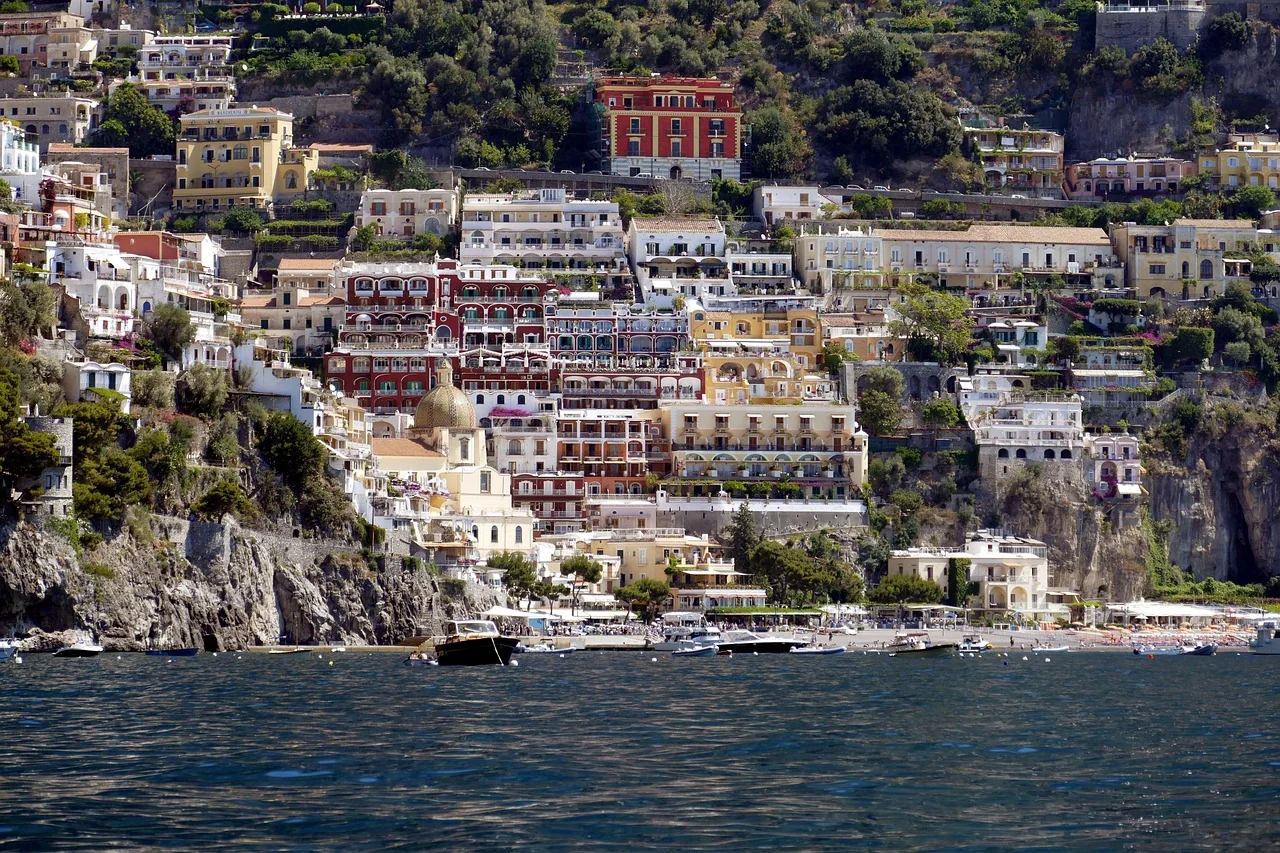
Pastel houses stacked up the cliffs, lemon terraces, church domes tiled in green and yellow, and a road that clings to the rock above a deep blue sea: the Amalfi Coast looks exactly like the photos. It is also easier to reach from Cyprus than many people think, with a seasonal flight from Paphos to Naples and the coast about an hour and a half beyond.
This guide covers the flights, the buses and ferries from Naples and Salerno, what to see in Positano, Amalfi and Ravello, and when to go so that you find the coast open.
Timetables on the coast change by season, so check the operators before you travel.
Why go
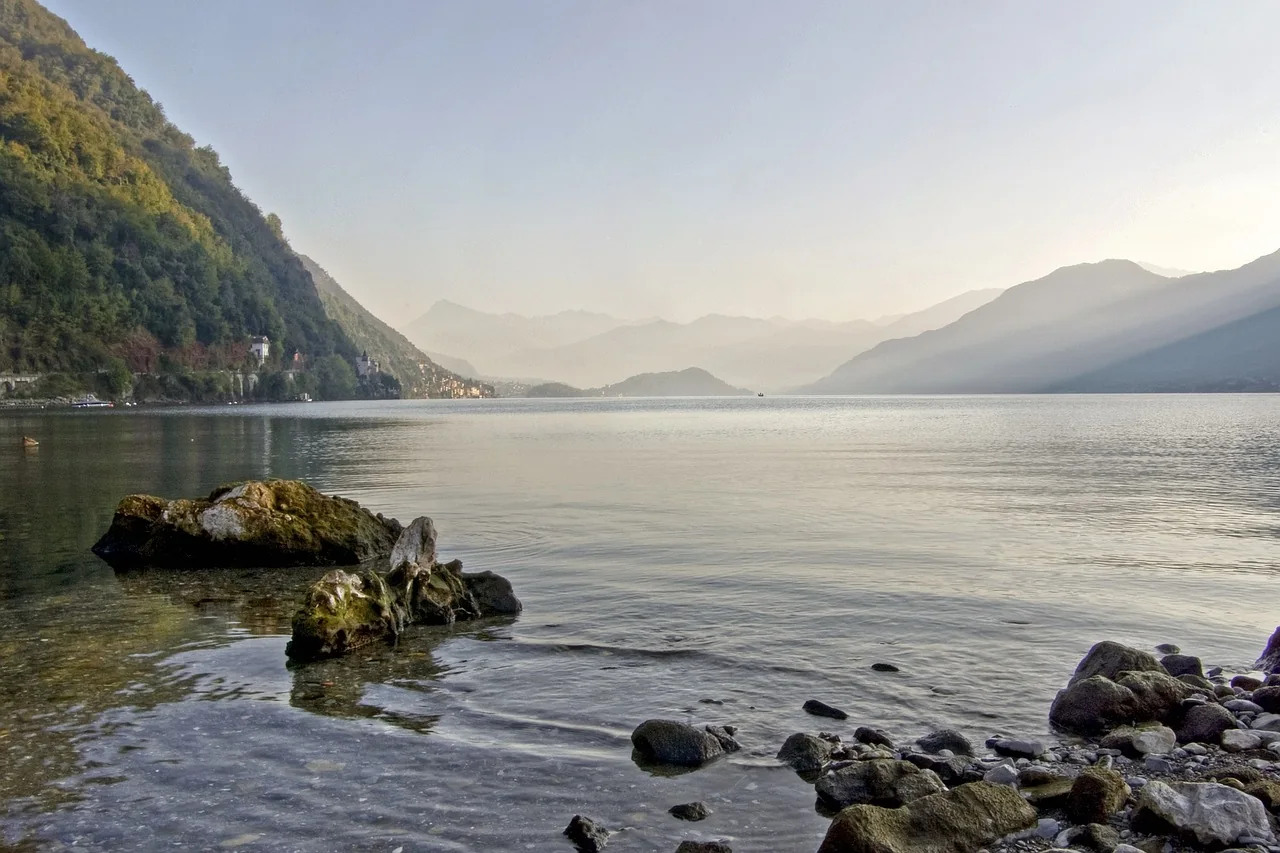
The Amalfi Coast is a stretch of mountains dropping straight into the sea on the southern side of the Sorrento peninsula. UNESCO listed it as a World Heritage cultural landscape in 1997, for the way people have farmed and built on the steep slopes: terraced gardens and lemon groves above villages that once traded across the Mediterranean.
For us in Cyprus, it is the Mediterranean seen from a completely different angle. Where our coast is low and open, this one is vertical, green and dramatic. Three days gives you Positano, Amalfi, Ravello and one of Italy's great coastal walks.
The direct flight from Cyprus
From Paphos: Ryanair flies Paphos–Naples as a seasonal route. In summer 2026 it ran on Wednesdays and Saturdays, taking about 2 hours 55 minutes, and the last flight of the 2026 season was on Saturday 24 October. Check Ryanair's site for the 2027 dates before you plan around it.
From Larnaca: there is no direct flight to Naples. The nearest confirmed alternative is Rome, which has year-round flights with Wizz Air from Larnaca and Ryanair from Paphos (about 3 hours 15 minutes), with Cyprus Airways rejoining the Larnaca route from 11 December 2026. From Rome, high-speed trains reach Salerno, the gateway to the eastern end of the coast, in about 1 hour 40 minutes.
Time difference: Italy is one hour behind Cyprus all year.
Our Naples and Vesuvius guide covers the city itself, if you want to add a night or two there.
Getting from the airport to the coast
Naples airport (Capodichino) is close to the city, and there are three good ways on.
Via Sorrento (west end of the coast):
- Curreri bus: direct from outside Terminal 1 to Sorrento, about 75 to 90 minutes, with around eight departures a day all year.
- Or by train: the Alibus to Piazza Garibaldi (about €5, 2026), then the Circumvesuviana train to Sorrento, about an hour, for about €4.10 (2026).
- SITA Sud bus onwards: from Sorrento to Positano takes about 40 minutes and to Amalfi about 70 minutes.
Via Salerno (east end): high-speed trains from Napoli Centrale take about 37 minutes, regional trains about 70 minutes. From Salerno, SITA Sud buses run to Amalfi in about 75 minutes, or take a ferry (see below).
By sea: from about April to October, ferries leave Naples for Positano (about 70 minutes) and Amalfi (about 90 minutes), and Salerno for Amalfi (about 35 minutes) and Positano (about 1 hour 15 minutes). A single from Salerno to Amalfi costs from about €12 (2026). The boats are suspended from the end of October to early April, and can be cancelled in rough seas.
Bus tickets: buy them before you board, at tobacconists, newsagents and bars; they are not sold on the bus. A 24-hour SITA Sud ticket costs about €10 (2026). Amalfi is the hub: buses to Positano and Ravello leave from Piazza Flavio Gioia by the harbour.
Driving: in summer the coast road (the SS163) is slow and parking is hard to find. On set dates in busy periods, an odd-and-even number-plate rule applies from 10:00 to 18:00; in 2026 it ran over Easter and from late April to early May. Guests with a hotel booking are among those exempt, but check the current rules before you drive.
What to see and do
Positano
The postcard town, its houses tumbling down to the Spiaggia Grande beach. The church of Santa Maria Assunta has a multicoloured majolica dome, visible from all over town, and a Byzantine icon of the Black Madonna on its main altar. Beneath the church, the remains of a Roman villa now form the Roman Archaeological Museum, which is open all year. Positano is all steps, so bring comfortable shoes.
Amalfi
The coast's main town and transport hub. Climb the 57 steps to the Cathedral of St Andrew, founded in the 10th century, where the apostle's tomb lies in the crypt. Entry to the crypt and the museum is through the Cloister of Paradise, built in the 1260s as a burial ground for Amalfi's nobles, with its interlaced pointed arches around a garden.
Ravello
High above Amalfi, about 25 to 35 minutes by bus, Ravello is quieter and more elegant.
- Villa Rufolo: a 13th-century residence with Moorish towers and two levels of gardens over the sea. Wagner visited in May 1880 and drew on it for Klingsor's magic garden in Parsifal. In summer, the Ravello Festival holds concerts on a stage in the lower garden.
- Villa Cimbrone: remodelled by Lord Grimthorpe from 1904, and now a hotel, but its gardens are open to visitors. Walk to the end for the Terrace of Infinity, a balcony of statues looking down over the Gulf of Salerno.
The Path of the Gods
The coast's classic walk, the Sentiero degli Dei, follows the cliffs about 8 km from Bomerano, in Agerola, to Nocelle above Positano, with views towards Capri. Allow about four hours one way. The route is marked, mostly downhill and has fountains along the way, but some sections are exposed, so it is not for anyone with vertigo. Wear proper walking shoes. From Nocelle, around 1,500 steps lead down to Positano.
Map it · Driving route
Three towns on the Amalfi Coast
- Positano
- Amalfi Cathedral
- Villa Rufolo
- Villa Cimbrone
Opens Google Maps with every stop in order. Opening hours can change, so check before you go.
Best time to go
April to June and September to October are the sweet spot. The ferries are running, the walking weather is good and the crowds are smaller than in high summer.
July and August are hot, busy and expensive. Book ferries, hotels and restaurants ahead.
Winter is a different place. The season ends around the first weekend of November, and the large four- and five-star hotels close at the end of October, though smaller hotels and B&Bs are easy to find. Many restaurants close from early January to early March. Amalfi and Vietri sul Mare stay the liveliest, while Positano is almost empty in January and February. The ferries stop until April and the buses run less often, but the roads are quiet. Rain is the main risk: if a wet spell is forecast, Sorrento or Salerno make better bases.
If you are looking for a spring break, our spring trips from Cyprus guide compares the routes for Easter 2027.
Where to stay
- Positano: the most beautiful and the most expensive. Lots of steps, so pack light.
- Amalfi: the most practical base, at the centre of the bus and ferry network.
- Ravello: calm, cooler and romantic, but a bus ride above the sea.
- Sorrento: not on the Amalfi Coast itself, but well connected to Naples by bus and train, with museums and more open in winter. A good base in the off-season.
- Salerno: a real city with trains to Naples and Rome, and ferries along the coast in season. Handy if you arrive via Rome.
A three-day plan
Day 1: Naples to Positano. Fly into Naples, take the Curreri bus to Sorrento and the SITA Sud bus to Positano. Spend the afternoon on the steps and lanes, then watch the sunset from the beach.
Day 2: The Path of the Gods. Head up to Bomerano in Agerola early (ask your hotel for the morning bus) and walk to Nocelle, then down to Positano. Or skip the walk and take the bus (or, in season, the ferry) to Amalfi for the cathedral and the Cloister of Paradise.
Day 3: Amalfi and Ravello. Morning in Amalfi, then the bus up to Ravello for Villa Rufolo and the Terrace of Infinity at Villa Cimbrone. Head back to Naples via Salerno by train, or via Sorrento.
Practical tips
- Currency: the euro. Cards are widely accepted, but carry some cash for bus tickets, small bars and beach kiosks.
- Documents: Cyprus is not in the Schengen area, so there are passport or ID checks on flights to Italy.
- Entry/Exit System: if you travel on a non-EU passport, including a British one, you are registered with fingerprints and a photo at your first Schengen border, so allow extra time at Naples or Rome.
- Healthcare: take your EHIC, plus travel insurance.
- Buses fill up: in summer, buses can pass full. Start early, or use the ferries.
- Rough seas: ferries and some piers close in bad weather, so keep a bus back-up on your last day.
Planning more trips? See our best winter trips from Cyprus, our Rome page, and, for the school holidays, our half-term trips with kids.
Plan my trip
Want us to plan your days in Cyprus?
Tell us where you’re going, for how many days and what you love. We’ll send you a plan made for you, with places to see, where to eat and a Google Maps route for each day.
Recommended for this guide
Contains affiliate links GetYourGuide
Frequently asked questions
Are there direct flights from Cyprus to the Amalfi Coast?
The nearest airport with a direct flight is Naples. Ryanair flies Paphos–Naples as a seasonal route (Wednesdays and Saturdays in summer 2026, about 2h 55m). There is no direct flight from Larnaca. Out of season, fly direct to Rome and take the train to Naples or Salerno.
How do I get from Naples airport to Positano without a car?
Take the Curreri bus from outside Terminal 1 to Sorrento (about 75 to 90 minutes), then a SITA Sud bus to Positano (about 40 minutes). In summer you can also take the Alibus to Naples port and a ferry to Positano, which takes about 70 minutes.
Is the Amalfi Coast worth visiting in winter?
It can be, if you want quiet roads and low prices and don't mind rain. The season ends around the first weekend of November, large hotels close at the end of October, ferries stop until April and many restaurants close in January and February. Amalfi and Vietri sul Mare stay the liveliest; Positano is very quiet.
Should I hire a car for the Amalfi Coast?
In summer most visitors are better off with buses and ferries, as the coast road is narrow and parking is scarce. On set dates in busy periods, an odd-and-even number-plate rule applies on the SS163 from 10:00 to 18:00. In winter traffic is light and a car is much easier.
How long is the Path of the Gods walk?
The usual route runs about 8 km from Bomerano, in Agerola, to Nocelle above Positano. Allow about four hours one way, plus the walk down roughly 1,500 steps into Positano. It is not recommended for anyone who suffers from vertigo.
Useful links
Sources (20)
- Planemapper – Ryanair FR639 Paphos–Naples flight history (autumn 2026)
- Zbordirect – Paphos to Naples low-cost flights
- Wikipedia – Larnaca International Airport: airlines and destinations
- Wikipedia – Paphos International Airport: airlines and destinations
- Positano.com – How to get to the Amalfi Coast
- Bluekeys – Curreri bus from Naples airport to Sorrento (2026)
- Napolike – From Naples to Sorrento, Positano and Amalfi (August 2026)
- Everyrail – Salerno by train (2026)
- Positano.com – Salerno to Amalfi ferries
- Positano.com – Amalfi to Ravello bus and tickets
- Reid's Italy – The Amalfi Coast by bus
- Napolike – Amalfi Coast odd and even number plates 2026 (April 2026)
- Positano.com – Winter on the Amalfi Coast
- Amalfi Coast UNESCO site – World Heritage cultural landscape
- Amalfi Coast UNESCO site – Chiostro del Paradiso
- Discover Campania – The Cathedral of St Andrew, Amalfi
- Discover Campania – Santa Maria Assunta, Positano
- Discover Campania – Agerola to Positano: the Path of the Gods
- Italia.it – Villa Rufolo gardens, Ravello
- Wikipedia – Villa Cimbrone