Summarise this page 10 key points · 1 minute
- What is the difference between net metering and net billing?Under net metering, each kWh you exported offset a kWh you took from the grid, so the grid worked like a free battery.
- How big can a home solar system be?The EAC's own document on the Self-Consumption Plan says domestic net metering allowed a maximum of 10.4 kWp per electricity account.
- Do you need a planning permit for rooftop solar panels?For a house, probably not a construction permit.
- How do you apply to the EAC to connect solar panels?The EAC's own document describes its role as grid operator, and it handles connection applications as the distribution system operator.
- Why are home solar panels in Cyprus being switched off?This is the main reason new owners are disappointed.
- Are home batteries worth it, and is there a grant?A battery lets you use your midday surplus in the evening, rather than selling it cheaply or losing it to curtailment.
- How much do solar panels cost for a home in Cyprus?Prices per kWp are set by installers.
- What about the 2026 Save and Upgrade Homes grant?Briefly: photovoltaics with batteries could be funded only as part of a whole-home upgrade.
- Can you put solar panels on an apartment block roof?The roof is usually common property, so expect to need the agreement of the owners or management committee (index.cy, 16 July 2026).
- How do you choose a solar installer in Cyprus?Ask for the firm's registration and the names of the licensed designer and electrician who will sign the EAC forms.
Quick answer
New home solar systems in Cyprus now fall under net billing, not net metering. You are paid in money, at a wholesale price (about 11 cents per kWh in 2025 against roughly 25 cents for summer electricity), instead of banking units, so the aim is to use your own power. You apply to the Electricity Authority of Cyprus (EAC) through a registered installer, and a rooftop system on an existing building no longer needs a construction permit under a 2023 law. A home battery is not yet backed by a household grant, and the Save and Upgrade Homes budget was used up within two days of opening.
- Net metering closed to new applicants on 31 December 2025; every new home system since 1 January 2026 is on net billing, with surplus paid as money and settled every 12 months.
- The EAC's 2023 plan allowed up to 10.4 kWp per electricity account under net metering; ask your installer to check the household cap for net billing with the EAC.
- Grid operator data shows heavy curtailment: 162 GWh, about 65% of possible solar output, in the first five months of 2026.
- A 5 kW home system cost about €6,500–9,000 and a battery added €4,000–8,000 (index.cy, 16 July 2026); get at least three written quotes.
- The €27.5 million Save and Upgrade Homes budget was fully allocated within about a day and a half of opening on 20 October 2026, and applications have stopped.
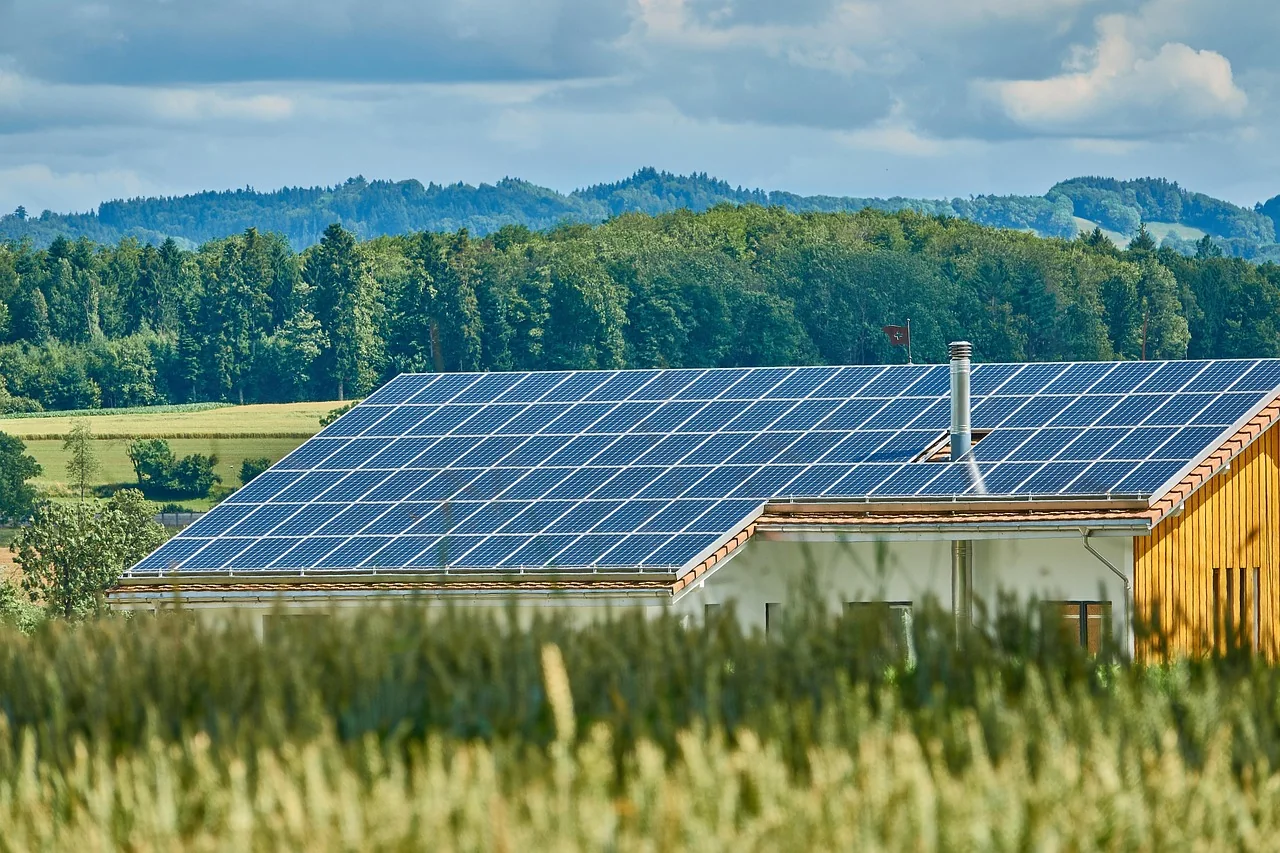
Since 1 January 2026 every new home solar system in Cyprus has been on net billing: the Electricity Authority of Cyprus (EAC) pays you in money for the power you export, at a price well below what you pay for electricity. That changes the sums, so this guide explains what net billing means for a household, how to connect legally, whether you need a permit, what batteries add and how to judge a quote.
What is the difference between net metering and net billing?
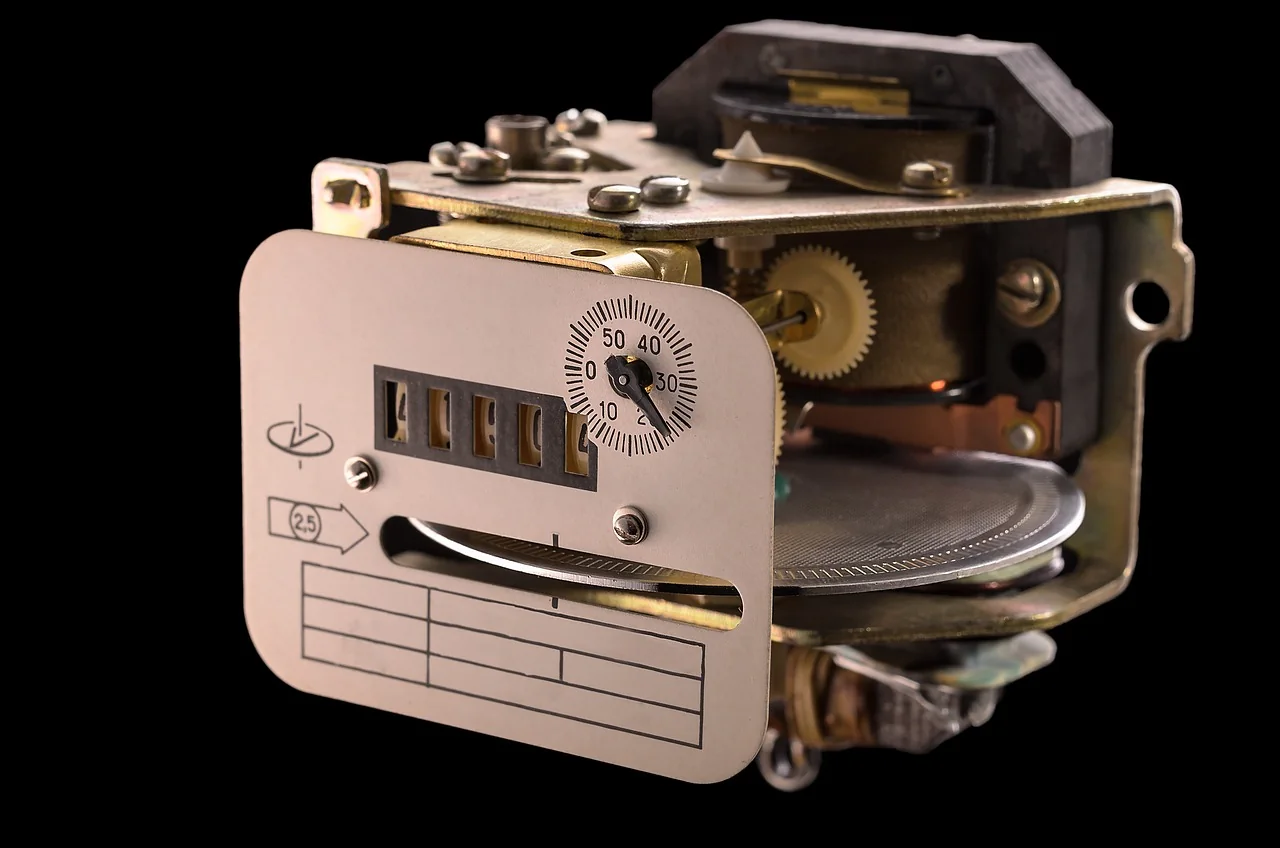
Under net metering, each kWh you exported offset a kWh you took from the grid, so the grid worked like a free battery. Net metering applications closed on 31 December 2025 by a Ministry of Energy decision. Households already on it keep it until their contract ends, which is 15 years from installation, and then move to net billing.
Under net billing, the surplus is paid as a money credit, not stored as units, and you pay the full retail price for everything you draw from the grid. New contracts run for 10 years, and the balance is settled every 12 months, usually in November or December (DOM, 8 January 2026). The same report put the 2025 export rate at 11 cents per kWh, against about 25 cents per kWh for summer electricity. Treat the rate as a guide: ask your installer for the figure that applies now.
| Net metering (closed to new applicants) | Net billing (all new systems from 2026) | |
|---|---|---|
| Surplus is | Banked as kWh | Paid as money at a lower price |
| Settlement | Every 36 months | Every 12 months |
| Contract length | 15 years | 10 years |
| Best strategy | Export in spring, use later | Use power yourself, store the rest |
A warning for existing owners. In February 2026 the EAC reset banked net metering credits to zero, citing a 36-month cap in the 2023 Self-Consumption Plan. Many households said they had no warning (Cyprus Mail, 8 March 2026). If you are buying a home with panels, ask for the EAC contract and recent bills.
How big can a home solar system be?
The EAC's own document on the Self-Consumption Plan says domestic net metering allowed a maximum of 10.4 kWp per electricity account. For net billing, ask your installer to confirm the cap for your supply (single or three phase) in writing before you sign. For most households the practical limit is your roof and your consumption: with exports paid so little, a system sized to your daytime use makes more sense than the biggest one that fits.
Do you need a planning permit for rooftop solar panels?
For a house, probably not a construction permit. In June 2023 parliament amended the roads and buildings law so that rooftop PV on existing buildings no longer needs one. The exceptions are buildings declared historical or ancient monuments, archaeological protection zones and airport zones (FastForward, 2 June 2023). Ask your installer to confirm in the quote that no permit is needed for your address.
Planning is only half the picture. The system must still be approved and inspected by the EAC. In 2026 the EAC began a crackdown on unauthorised systems: by 2 September it had found 110 suspected irregular installations at commercial premises, inspected 77, and confirmed 22 problems, in 17 of which no application had been filed. Systems found irregular were disconnected at once.
How do you apply to the EAC to connect solar panels?
The EAC's own document describes its role as grid operator, and it handles connection applications as the distribution system operator. Its regional distribution offices receive applications, check the documents, register them and issue the connection terms once an officer approves. In practice your installer handles most of it, but you should know the steps.
Step 1: Apply before you buy equipment
Your installer submits the application to the regional EAC office for your district. Do not install or switch on anything before you have the EAC's connection terms.
Step 2: Install to the EAC's technical guides
The EAC publishes a Technical Guide for RES (2026 edition) and a Technical Guide for Storage (2025 edition) on its renewable energy systems page, along with a document on remote-control receivers for PV systems (March 2025). Ask your installer which apply to your system.
Step 3: Book the inspection
The electrician, a licensed designer and installer, and for PV the engineers' declarations must sign forms, which are only available in Greek. Your installer submits them under the EAC's inspection procedure, the EAC emails an inspection date, and an inspection fee may be invoiced (the page gives no amount). A failed inspection means a repeat visit and a new invoice. The EAC's document says inspection waiting times are under three weeks nationwide.
Step 4: Keep your paperwork and check your first settlement
Keep the connection terms, inspection papers and bills in one folder. Net billing is settled once a year, so check that the first settlement matches the export rate your installer quoted.
Why are home solar panels in Cyprus being switched off?
This is the main reason new owners are disappointed. When the grid has more solar than it can use, the transmission operator orders cuts. The EAC's own notice of 26 February 2026 disconnected PV systems of 0–499 kWp in several areas for grid stability, citing low demand and weather. CyprusGrid data reported by Cyprus Mail showed 162 GWh curtailed in the first five months of 2026, about 65% of the power that could have been generated. A 2025 industry estimate put that year's curtailment at about 46% (Cyprus Mail, 19 March 2026, a guest column whose authors have a commercial interest in batteries).
Some owners reported repeated daytime disconnections, with newer systems fitted with export-limiting controls hit hardest. So size your system for use during the day, and avoid selling a plan that assumes full output every sunny noon.
Are home batteries worth it, and is there a grant?
A battery lets you use your midday surplus in the evening, rather than selling it cheaply or losing it to curtailment. Costs we found:
| Item | Cost | Source |
|---|---|---|
| Home battery added to a PV system | €4,000–8,000 extra | index.cy, 16 July 2026 |
| 10 kWh home battery system | €8,000–10,000 | Smart Solar Cyprus, in Cyprus Mail, 30 August 2026 |
| Storage per kWh | About €300–400 (said to look low) | Seapek's president, same article |
The same article quotes a battery lifetime of 8 to 10 years depending on type, so work out payback over that period, not 25 years.
On incentives, the energy minister announced home battery subsidies in October 2025, but as of the end of August 2026 no scheme had been announced and grid-connected homes rarely had batteries: 137 of 1,835 EAC applications so far in 2026 (about 7%). A separate storage grant announced in August 2026 is aimed at businesses. Check the RES and Energy Conservation Fund before you buy, as a future scheme may require storage.
How much do solar panels cost for a home in Cyprus?
Prices per kWp are set by installers. The most recent dated figures for complete systems come from the property portal index.cy (16 July 2026): about €4,000–6,000 for 3 kW, €6,500–9,000 for 5 kW and €10,000–14,000 for 8 kW. That works out at roughly €1,300–1,800 per kW for a typical 5 kW system. These are portal estimates, not quotes: compare at least three written quotes that list panel and inverter brands, warranty length, the EAC application and inspection, and whether export control or battery readiness is included.
What about the 2026 Save and Upgrade Homes grant?
Briefly: photovoltaics with batteries could be funded only as part of a whole-home upgrade. But the €20 million budget, topped up to €27.5 million, was allocated within about a day and a half of opening on 20 October 2026, and the ministry stopped taking applications on 21 October (Cyprus Mail). Our guide to sustainable living in Cyprus covers the scheme's rules; watch the ministry's grants platform for any new call.
Can you put solar panels on an apartment block roof?
It is more complicated. The roof is usually common property, so expect to need the agreement of the owners or management committee (index.cy, 16 July 2026). The EAC lists a Virtual Net Billing scheme allowing PV up to 150 kWp per consumption account, but the page is only in Greek and does not explain how it applies to flats. Ask the EAC directly, and get the committee's decision in writing before an installer visits.
How do you choose a solar installer in Cyprus?
Choose an installer carefully. What you can check:
- Registration. Ask for the firm's registration and the names of the licensed designer and electrician who will sign the EAC forms. The RES Fund's participating traders list for the 2024–2025 grant scheme is undated, so use it only as a starting point and confirm each firm is still trading.
- EAC paperwork. The firm should handle the application and inspection and tell you in writing what is included.
- Honest sizing. Be wary of a quote that assumes you will export at the retail rate.
- After-sales. Ask who handles inverter faults and remote shut-offs.
What to do next
Gather 12 months of EAC bills first, because the size and payback of your system depend on your daytime use. Our guide to setting up utilities explains the electricity account that must be in your name, and our winter heating guide shows how a heat pump changes your load. Then get three written quotes, ask each for permit and EAC steps in writing, and check the Fund's website for any new battery or solar call.
Recommended for this guide
Contains affiliate links Airalo
 Discover Cars
Frequently asked questions
Is net metering still available in Cyprus in 2026?
No for new systems. Net metering applications closed on 31 December 2025 and all new 2026 applications fall under net billing. Existing net metering contracts stay valid until they expire (15 years from installation).
How much do you get paid for solar power you export in Cyprus?
Under net billing, surplus is paid in money at a wholesale-based rate. A 2026 report put the 2025 rate at 11 cents per kWh, compared with about 25 cents per kWh that you pay in summer. Check the current rate with your installer or the EAC.
Do you need a planning permit for solar panels on a house roof in Cyprus?
Since a law passed in June 2023, rooftop PV on existing buildings no longer needs a construction permit, except for listed or ancient monuments, archaeological zones and airport zones. You still need the EAC's connection approval and inspection.
Is there a grant for a home battery in Cyprus?
Not as a stand-alone household scheme yet. The energy minister announced home battery subsidies in October 2025, but as of 30 August 2026 no scheme had been launched. Batteries can count towards a Save and Upgrade Homes upgrade, but that call is now fully allocated.
Can I put solar panels on an apartment block roof in Cyprus?
The roof is usually shared common property, so you generally need the owners' or management committee's agreement. The EAC also lists a Virtual Net Billing scheme, but its page is in Greek and does not explain how it works for apartments, so ask the EAC before you commit.
Useful links
- EAC – Renewable energy systems (categories and technical guides)Schemes, technical guides for RES (2026) and storage (2025)
- EAC – Application and operation management of RES systems (PDF)How applications are handled by the regional offices
- EAC – Electrical installation inspection (PV)Where to submit the inspection forms; forms are in Greek
- EAC – Virtual Net Billing schemePage is in Greek; ask the EAC if it can work for your building
- RES and Energy Conservation Fund – list of participating traders (Photovoltaics for All, 2024–2025)Undated list of firms registered for the old scheme; check each firm is still active
- RES and Energy Conservation FundHome grant calls, including solar water heaters
- Funding Programmes Portal – Save and Upgrade Homes grant scheme
- Energy ministry grants platformOnline applications for the 2026 home upgrade scheme
Sources (12)
- EAC – Renewable energy systems page (checked 8 November 2026)
- EAC – Application, integration and operation management of RES systems (Self-Consumption Plan approved 29 March 2023)
- EAC – Electrical installation inspection (checked 8 November 2026)
- EAC – Virtual Net Billing Scheme (checked 8 November 2026)
- EAC – Notice of disconnection of PV systems of 0–499 kWp (26 February 2026)
- FastForward – Net Metering vs. Net Billing in Cyprus (17 September 2025)
- DOM – What awaits the owners of photovoltaic systems in Cyprus in 2026 (8 January 2026)
- FastForward – Parliament passes law to streamline rooftop photovoltaic installations (2 June 2023)
- Cyprus Mail – Households left in the dark over solar credits reset (8 March 2026)
- Cyprus Mail – Net billing and rampant PV curtailments should make batteries a shoo-in (30 August 2026)
- Cyprus Mail – EAC investigates 110 suspected illegal photovoltaic installations (2 September 2026)
- Cyprus Mail – E27.5m for Save and Upgrade Homes scheme all allocated within two days (21 October 2026)