Quick answer
Every dog in Cyprus must be microchipped by a vet, registered with Veterinary Services and licensed each year by the local municipality or community council. Beyond the paperwork, the island's climate brings its own risks: sandflies that spread leishmaniasis, ticks, very hot summers, poisoned baits and the occasional viper. A good local vet, year-round parasite protection and early-morning walks in summer go a long way.
- Under the Dog Law (184(I)/2002), dogs must be microchipped and registered with Veterinary Services; registration itself is free.
- Owners also need an annual dog licence from their municipality or community council for any dog over three months old.
- Leishmaniasis, spread by sandflies, is the big health risk for dogs in Cyprus; ask your vet about repellent collars, testing and vaccination.
- Summer heat, hot pavements, poisoned baits, oleander and the Cyprus viper are the main everyday dangers.
- Pet insurance is optional; compare what each policy covers for chronic illnesses such as leishmaniasis before you buy.
Cyprus is a wonderful place to have a dog or cat, with long walks, mild winters and plenty of outdoor space. But there are rules to follow, and the climate brings health risks that may be new to you. This guide covers the legal side first, then vaccinations, parasites, insurance and the everyday dangers of summer.
What are the legal rules for dogs in Cyprus?
Dog ownership is governed by the Dog Law (184(I)/2002), alongside the animal protection and welfare law. Lawmakers approved amendments in April 2026, including a change that lets hunters register several dogs under one licence, while keeping the ban on euthanasia. Veterinary Services lists the current legislation on its website.
There are three steps for every dog.
1. Microchip
A microchip is the only legal way to mark a dog in Cyprus. It must be implanted by a registered private vet, who records the number in the dog's health book or pet passport. If you adopt from a shelter, the dog will usually already be chipped; make sure you get the number.
2. Registration with Veterinary Services
The dog must be registered in the Veterinary Services register, which your vet normally does for you. You can also register online or at a District Veterinary Office. Registration is free, and you receive a certificate as proof. The register is not publicly searchable, so keep your own copy of the certificate and update your details if you move or change your phone number.
3. Dog licence from your local authority
You also need a licence from your municipality or community council for any dog over three months old. It lasts one year and must be renewed every year. Bring the health book or passport, the registration and microchip certificate, and the fee; ask your local authority for the current amount, as it is not set nationally. If a dog changes owner, the licence must be transferred.
Other rules to know
- Leads: Dogs must be on a lead in public places. Authorities can require a muzzle for large dogs or breeds considered dangerous.
- Banned breeds: Pit Bull Terriers, Japanese Tosas, Dogo Argentinos and Fila Brasileiros may not be kept.
- Warning sign: Homes with a dog must display a "Beware of the dog" sign.
- Straying: You must stop your dog escaping. If it is picked up, the local authority keeps it while it tries to find you, and you pay the costs.
- Liability: You are responsible for any damage or injury your dog causes.
Cats do not have to be microchipped unless they travel, but a chip greatly improves the chance of getting a lost cat back. If you are bringing a pet from abroad, see our guide to bringing a dog or cat to Cyprus.
Which vaccinations does a pet need?
Your vet will set a schedule, but expect:
- Dogs: A core vaccine against distemper, parvovirus and hepatitis, plus leptospirosis, given as a puppy course and then boosters. Rabies vaccination is required for travel and is worth keeping up to date.
- Cats: A core vaccine against cat flu and feline panleukopenia (enteritis), with boosters. Your vet may also suggest a feline leukaemia vaccine for cats that go outside.
Keep the vaccination record safe. You need it for the dog licence, for boarding kennels and for travel. Find a clinic near you in our vets by city guide.
What is leishmaniasis, and why does it matter in Cyprus?
Canine leishmaniasis is the disease vets in Cyprus talk about most. It is caused by a parasite carried by sandflies, tiny insects that bite in the warm months, mainly from dusk to dawn. Infected dogs can develop skin problems, weight loss and kidney disease, and the illness usually needs lifelong treatment.
You can reduce the risk:
- Repellents: Use a vet-recommended collar or spot-on that repels sandflies, and keep it up to date through the warm season.
- Evenings indoors: Keep dogs inside from dusk to dawn in spring, summer and autumn, ideally with fly screens.
- Testing and vaccination: Ask your vet about a yearly blood test and whether vaccination suits your dog.
How do you deal with ticks, fleas and worms?
Ticks are common in the countryside and in long grass, and they can spread diseases such as ehrlichiosis and babesiosis. Fleas thrive in the warm climate, and mosquitoes can carry heartworm. Most vets recommend year-round protection against fleas, ticks and worms rather than treating only in summer. Check your dog for ticks after every walk in fields or forest, especially around the ears, neck and paws.
Should you get pet insurance in Cyprus?
Pet insurance is not compulsory, but vet bills for an emergency or a long-term illness can add up quickly. Some Cyprus insurers offer pet policies, and some international providers cover pets living in Cyprus. Before you buy, check:
- Chronic illnesses: Is leishmaniasis covered, and for how long?
- Exclusions: Are pre-existing conditions, older pets or certain breeds excluded?
- Third-party liability: Owners are liable for damage their dog causes, so liability cover is worth having. Your home insurance may already include it.
- How claims work: Do you pay the vet and claim back, and does the policy accept your vet?
Ask your vet which insurers their clients use, and compare the full policy terms, not just the price.
How do you keep pets safe in the summer heat?
Cyprus summers are long and very hot, and heatstroke can kill a dog within minutes.
- Walk early and late: Go out at sunrise and after sunset. Pavements, sand and asphalt can burn paws at midday.
- Never leave a pet in a car: Not even for a few minutes with the windows open.
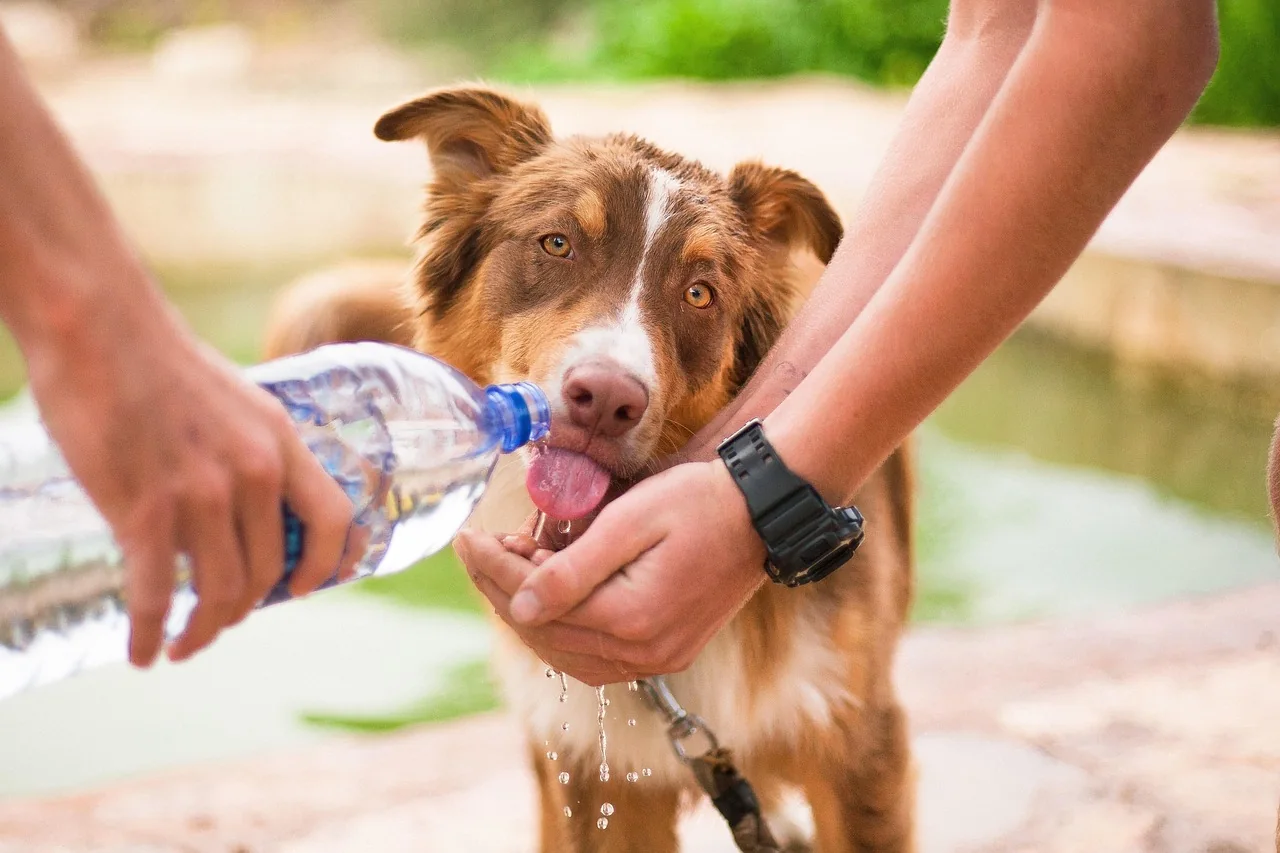
- Shade and water: Outdoor pets need full shade all day and several bowls of fresh water. A cool indoor room is better still.
- Know the warning signs: Heavy panting, drooling, wobbling, vomiting or collapse mean you should cool the dog with cool (not ice-cold) water and get to a vet straight away.
- Take extra care with flat-faced breeds, older pets and dogs with thick coats.
- Watch the forecast: Heatwave warnings are a signal to keep walks short. See our guide to weather warnings and heatwaves.
What are the poisoning risks?
Poisoning is a real problem in Cyprus, both deliberate and accidental.
- Poisoned baits: Bait laced with poison is sometimes left in fields, on village roads and near hunting areas. Keep your dog on a lead and train it not to pick up food from the ground. A basket muzzle can help with dogs that scavenge.
- Pesticides and rat poison: Farmland and gardens may be treated, so keep dogs away from freshly sprayed areas.
- Pine processionary caterpillars: Their hairs cause severe reactions in the mouth. They appear in pine areas in late winter and spring, often walking in long lines.
- Plants: Oleander, very common in Cyprus gardens and road verges, is highly toxic to pets.
If you suspect poisoning, go to a vet immediately. Signs include trembling, drooling, vomiting, fits or sudden weakness. Save your vet's out-of-hours number in your phone now.
Are there dangerous snakes in Cyprus?
The Cyprus viper (blunt-nosed viper) is the only snake on the island that is a real danger to pets. It is shy, but curious dogs can disturb it in rocky scrub, stone walls and long grass, mostly in the warmer months. Keep dogs on a lead on country paths, avoid walking through dense undergrowth and watch where they put their noses. A bite needs emergency vet treatment, so keep the dog as still as possible and go straight to the nearest clinic.
Practical tips
- Keep your papers together: Microchip certificate, registration certificate, licence and vaccination record.
- Set reminders: For the annual licence renewal, boosters and parasite treatments.
- Plan for holidays: Book a sitter or kennel early for the summer and Christmas; see our guide to pet sitters, boarding and dog walkers.
- Neuter your pet: It reduces roaming, fights and unwanted litters.
What to do next
Find a clinic with our vets by city guide and plan outings with our list of pet-friendly beaches, cafés and restaurants. Thinking of adding to the family? See adopting a pet in Cyprus. Going away? Read travelling with pets from Cyprus.
Recommended for this guide
Contains affiliate links GetYourGuide
Skip-the-line tickets, day trips and guided tours, usually with free cancellation up to 24 hours before.
See things to do in Cyprus
Hotels & places to stay
GetYourGuide
Skip-the-line tickets, day trips and guided tours, usually with free cancellation up to 24 hours before.
See things to do in Cyprus
Hotels & places to stay
 Booking.com
The widest choice of hotels, apartments and villas, with free cancellation on many rooms.
Find hotels in Cyprus
Flights & car hire
Booking.com
The widest choice of hotels, apartments and villas, with free cancellation on many rooms.
Find hotels in Cyprus
Flights & car hire
 Discover Cars
Compare car hire from local and international companies at Larnaca and Paphos airports.
Compare car hire
Discover Cars
Compare car hire from local and international companies at Larnaca and Paphos airports.
Compare car hire
Frequently asked questions
Do I need to register my dog in Cyprus?
Yes. A vet microchips the dog and records it in the Veterinary Services register, which is free. You then need a dog licence from your municipality or community council, renewed every year.
Do cats need to be microchipped in Cyprus?
There is no general national requirement to microchip a pet cat that stays in Cyprus, but it is strongly recommended. Cats travelling abroad need a microchip and a rabies vaccination.
What is leishmaniasis and how do I protect my dog?
It is a serious disease spread by the bite of sandflies, which are active on warm evenings and nights. Protect your dog with a vet-recommended repellent collar or spot-on, keep it indoors from dusk to dawn in the warm months and ask your vet about yearly testing and vaccination.
How hot is too hot to walk a dog in Cyprus?
If you cannot keep the back of your hand on the pavement for a few seconds, it is too hot for paws. In summer, walk early in the morning and late in the evening, and avoid the middle of the day completely.
What should I do if my dog is bitten by a snake?
Keep the dog calm and as still as possible, carry it if you can and go straight to the nearest vet. Call ahead so the clinic is ready. Do not cut the wound or apply a tourniquet.
Useful resources
- Veterinary Services – Legislations
- Veterinary Services – Non-commercial movements of pet animals
- Chambers – Cyprus Dog Law (updated September 2025)
- Politis – Dog ownership in Cyprus: laws, duties and practical support (1 September 2025)
- Land.cy – New dog law amendments approved in Cyprus (17 April 2026)
- ChipTrace – Pet microchips in Cyprus: registration, databases and tracing (updated October 2026)