Quick answer
Because Cyprus public primary schools finish at about 1:05 PM, afternoons are when most children do sport, music, languages and clubs. Football, swimming, tennis, martial arts and dance are offered in every town, usually through private academies and sports clubs. Coastal nautical clubs such as the Limassol Nautical Club run sailing for children, the Cyprus Scouts Association and Girl Guides are open to new members, and the state-run Institutes of Further Education offer low-cost afternoon language and IT lessons in school buildings. Most activities follow the school year, with sign-ups in September.
- Public primary school ends at about 1:05 PM, so most clubs run from mid-afternoon into the evening; optional all-day school can cover until 3:00 or 4:00 PM.
- Sports academies (football, swimming, tennis, basketball, martial arts) are run by private academies and sports clubs in every district.
- Nautical clubs in Limassol, Larnaca, Paphos and Nicosia are members of the Cyprus Sailing Federation; ask them about junior sailing in Optimist dinghies.
- The State Institutes of Further Education run afternoon language, IT and support lessons in school buildings, with fee reductions for larger families.
- Most activities start in September and follow the school calendar, so sign up early and ask for a trial session.
If your children go to a Cypriot public school, you will quickly notice how early the school day ends. That leaves long afternoons, and most families fill them with sport, music, languages and clubs. Here is how after-school activities work in Cyprus, what is on offer and how to find a good fit.
How does the school day shape after-school life?
Public primary schools run from 7:45 AM to 1:05 PM, Monday to Friday. Many primaries also offer an optional all-day programme until 3:00 or 4:00 PM on four days a week, where children have lunch, do homework and take part in extra activities. Secondary pupils also finish in the early afternoon. Private and international schools usually have a longer day and often run their own clubs on site. Our guides to public schools and international schools explain the timetables in more detail.
Because of this, most academies and clubs run from mid-afternoon into the early evening, typically one to three times a week. Many Cypriot children also have private lessons (known locally as frontistirio) for English, maths or other subjects, so the afternoon timetable can fill up fast.
Which sports can kids do after school?
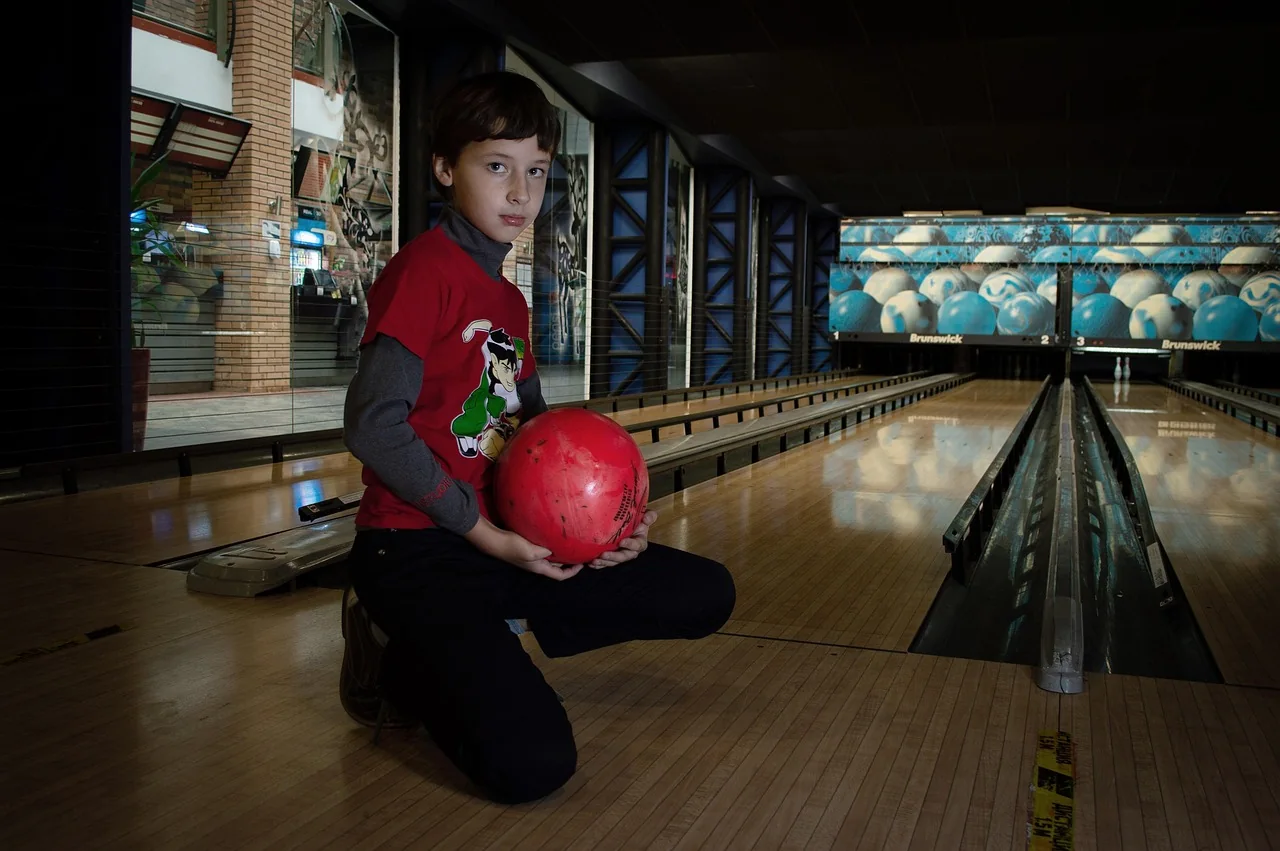
Sport is the biggest after-school category, and every town has plenty of choice.
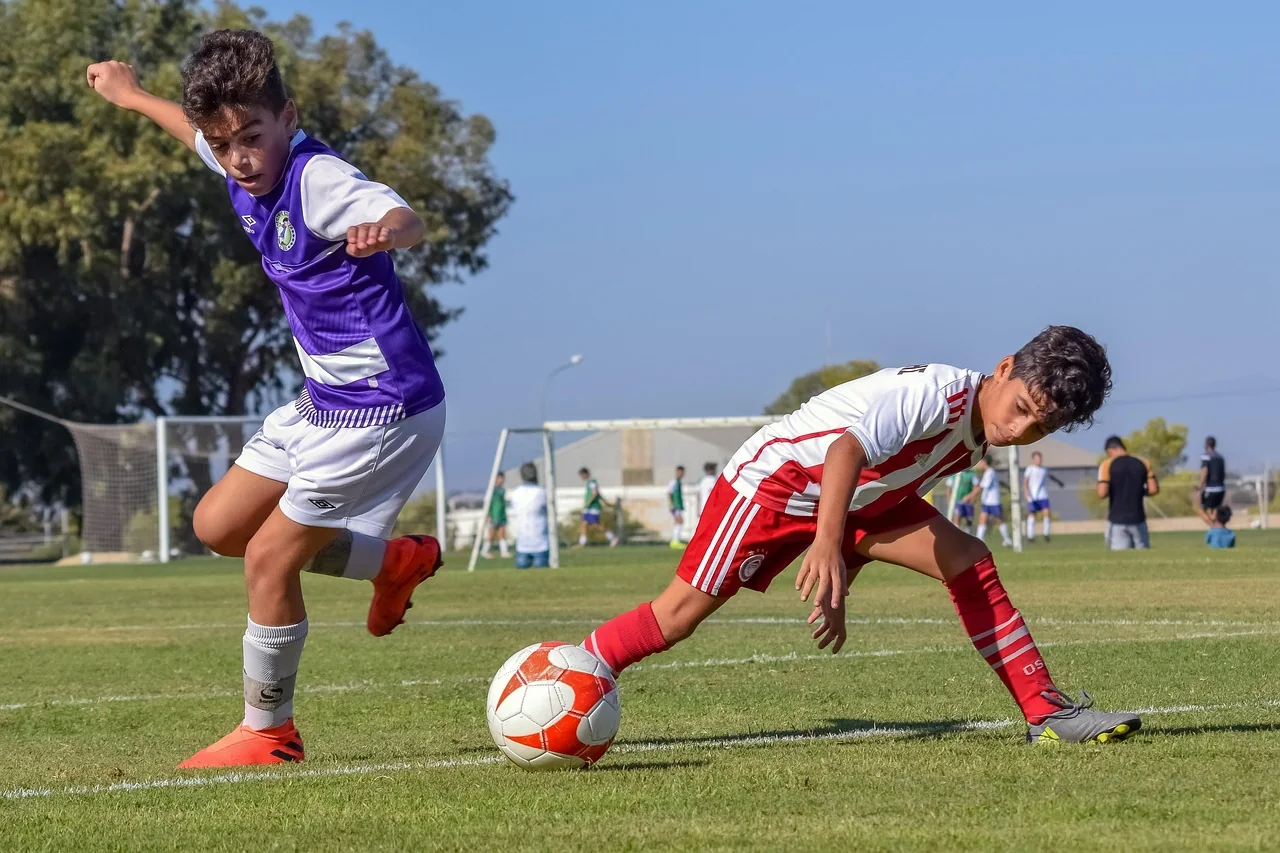
- Football: By far the most popular. Private football academies and the youth sections of local clubs train children from about primary age, often on artificial pitches in the late afternoon. Many run separate groups by age and offer a trial session.
- Swimming: Swimming clubs and academies use municipal, school and private pools, with lessons for beginners and squad training for older swimmers. Outdoor pools are common, so check whether the pool is heated in winter.
- Tennis: Tennis clubs and academies run junior coaching in small groups. Courts can be hot in summer, so sessions often move later in the day.
- Basketball, volleyball and handball: Popular team sports with youth teams attached to local clubs.
- Martial arts and gymnastics: Karate, taekwondo, judo and gymnastics clubs are found in every district, with beginner groups for young children.
- Sailing: Cyprus has a strong sailing culture. The Limassol Nautical Club, founded in 1962, runs sailing for children year-round, and other member clubs of the Cyprus Sailing Federation, including the Larnaca Nautical Club, Paphos Nautical Club, Famagusta Nautical Club and Nicosia Sailing Club, are good first contacts for junior sailing in Optimist dinghies. Ask about age limits and swimming requirements.
Tip: The national federation for each sport usually lists its member clubs, which is a quick way to find a recognised club near you.
What about dance, music and drama?
- Dance: Ballet, contemporary, hip hop and Greek traditional dance are widely taught. Many ballet schools prepare pupils for international graded exams, so ask about exam entry if that matters to you.
- Music: Private music schools and teachers offer piano, guitar, violin, drums and singing, and many prepare children for graded music exams. Some municipalities support their own music schools, orchestras or choirs, so check your local municipality's website.
- Drama: Drama and stage schools run weekly classes and end-of-year shows, some in English. These suit shy children who want to build confidence.
Coding, robotics and creative clubs
- Engino STEM Centre, Agios Athanasios (Limassol): A hands-on science and technology centre with robotics, 3D printers and laser cutters, aimed at ages 4 to 12. Ask about term-time workshops and holiday programmes.
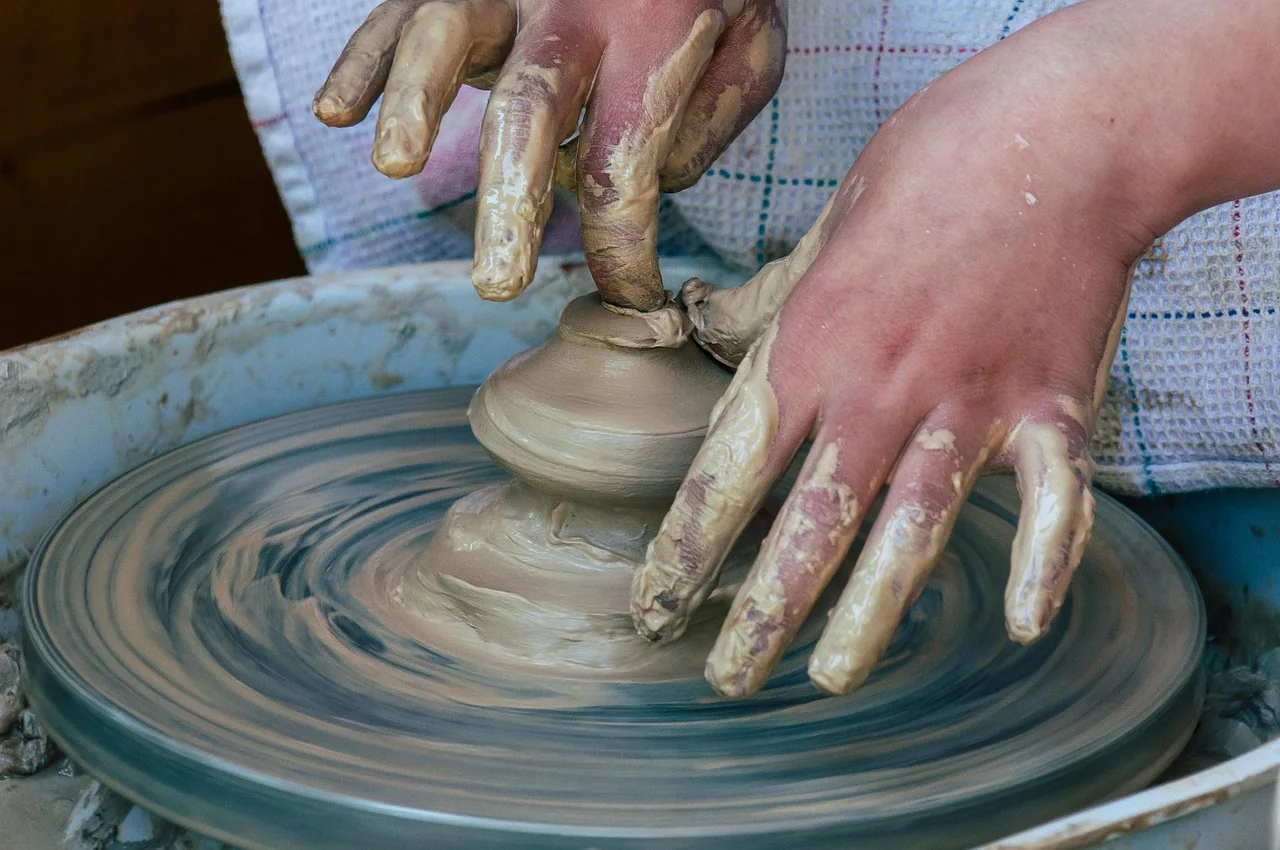
- The Makers Space, Tala (Paphos): A pottery studio that runs a Saturday Kids Clay Club for ages 5 to 15, plus midweek after-school wheel throwing and hand building for more experienced children.
- Art by the Sea, Chloraka (Paphos): A creative studio that offers pottery lessons for children alongside its adult classes.
Coding and robotics clubs, LEGO-based engineering classes and art schools also operate in the bigger towns, often in small groups. Ask whether the course follows a set programme and whether children can try a session first.
Scouts and guides
- Cyprus Scouts Association: Founded in 1913, it is one of the oldest youth organisations on the island and is open to boys and girls. Local groups meet regularly and take part in camps, outdoor activities and community projects.
- Girl Guides Association of Cyprus: A full member of the World Association of Girl Guides and Girl Scouts, open to girls. Contact the association to find the nearest group.
Scouting and guiding are mostly in Greek, so they are a good way for children to practise the language and make local friends.
Low-cost afternoon lessons: State Institutes of Further Education
The Ministry of Education runs about 40 State Institutes of Further Education, which teach more than 17,000 pupils a year in public school buildings across the island. Lessons are held in the afternoons, usually twice a week for 90 minutes, and cover:
- Foreign languages, including English, French, German, Italian, Spanish and Russian
- Greek for foreigners
- IT and computer skills
- Support lessons for secondary pupils and preparation for the Pancyprian exams
Fees are modest compared with private tuition. Larger families (five or more members) pay half, the third child in a family pays nothing, and scholarships are available for families in need. Registration usually takes place in June, sometimes with extra places in September.
Practical tips
- Start early. Most activities follow the school year from September to late May or June. Popular groups fill up in September.
- Ask for a trial. Many academies offer a free or low-cost first session.
- Check the language. Ask whether sessions are in Greek, English or both.
- Ask about all the costs. Besides the monthly fee, there may be a registration fee, uniform or kit, insurance, exam entries or competition costs.
- Medical certificate. Sports clubs often ask for a doctor's certificate confirming your child is fit to take part.
- Think about the school run. Afternoon traffic can be heavy, so choosing something close to home or school makes the week easier.
- Don't overbook. With an early finish, it is tempting to fill every afternoon. Leave time for homework, rest and the beach.
What to do next
- Read our guide to enrolling your child in a public school in Cyprus.
- Compare options in finding the best international schools in Cyprus.
- For weekends and holidays, see things to do with kids in Cyprus.
- Planning a celebration? See our guide to kids' birthday party venues in Cyprus.
Recommended for this guide
Contains affiliate links GetYourGuide
Skip-the-line tickets, day trips and guided tours, usually with free cancellation up to 24 hours before.
See things to do in Cyprus
Hotels & places to stay
GetYourGuide
Skip-the-line tickets, day trips and guided tours, usually with free cancellation up to 24 hours before.
See things to do in Cyprus
Hotels & places to stay
 Booking.com
The widest choice of hotels, apartments and villas, with free cancellation on many rooms.
Find hotels in Cyprus
Flights & car hire
Booking.com
The widest choice of hotels, apartments and villas, with free cancellation on many rooms.
Find hotels in Cyprus
Flights & car hire
 Discover Cars
Compare car hire from local and international companies at Larnaca and Paphos airports.
Compare car hire
Discover Cars
Compare car hire from local and international companies at Larnaca and Paphos airports.
Compare car hire
Frequently asked questions
What time do kids finish school in Cyprus?
Public primary schools run from 7:45 AM to 1:05 PM, Monday to Friday. Many offer an optional all-day programme until 3:00 or 4:00 PM on four days a week. Private and international schools usually finish later in the afternoon.
When do after-school activities start in Cyprus?
Most clubs and academies follow the school year, starting in September and finishing in late May or June. Popular groups can fill up in the first weeks, so ask about places before term starts.
Can my child join a club if they don't speak Greek?
Usually, yes. Many coaches and teachers speak English, especially in Limassol, Paphos and Nicosia, and sport, music and art need little language. Ask when you enquire which language sessions are run in.
Are there scouts and guides in Cyprus?
Yes. The Cyprus Scouts Association, founded in 1913, is open to boys and girls, and the Girl Guides Association of Cyprus is open to girls. Contact them to find a group near you.
Are there low-cost afternoon classes for children in Cyprus?
The State Institutes of Further Education, run by the Ministry of Education, offer afternoon lessons in foreign languages, Greek for foreigners and IT in school buildings. Fees are modest, the third child in a family pays nothing, and larger families get 50% off.
Useful resources
- Ministry of Education – State Institutes of Further Education
- Ministry of Education – Primary school timetable
- Cyprus Sailing Federation – History and member clubs
- Visit Cyprus – Sailing
- Welcome Magazine – In the city of sailing (10 September 2025)
- WAGGGS – Girl Guides Association of Cyprus
- The Makers Space, Tala
- Engino STEM Centre, Limassol