Quick answer
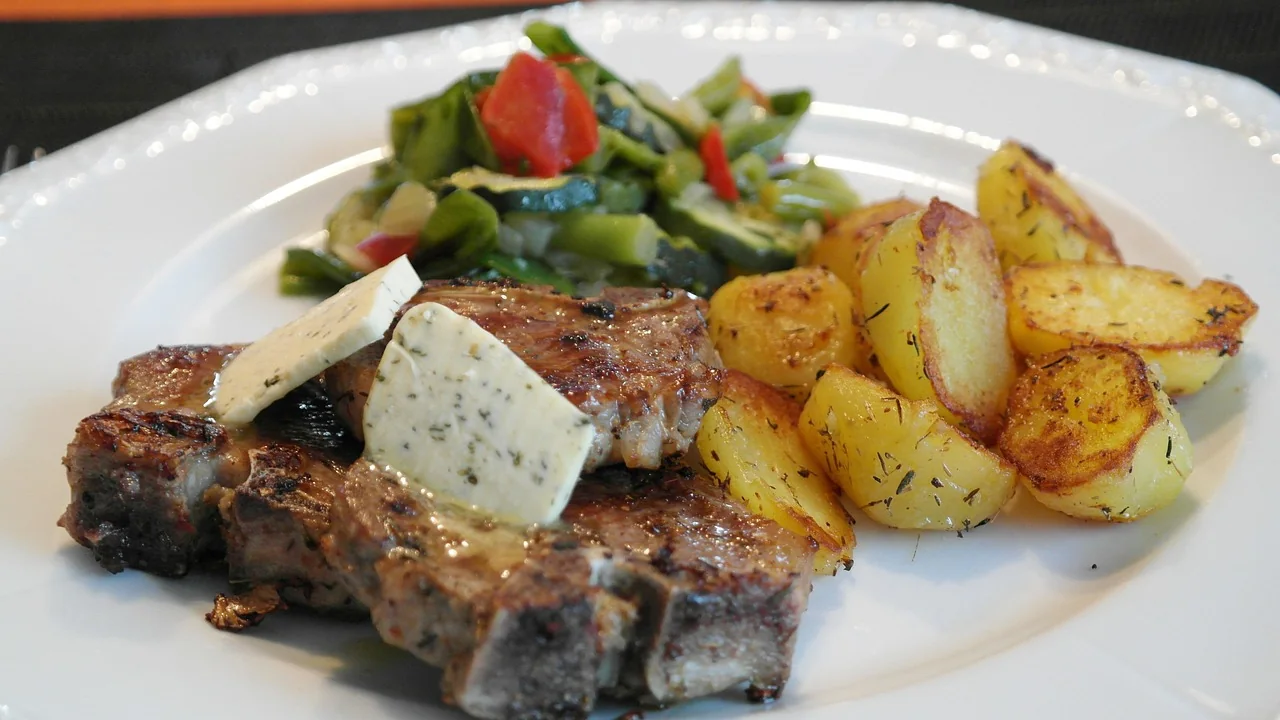
Kleftiko is Cyprus's classic slow-cooked lamb: large bone-in pieces marinated with lemon, garlic, olive oil, oregano and bay, then sealed and baked low with potatoes until the meat falls away from the bone. At home it takes about 20 minutes of preparation, an overnight marinade and around four hours in a tightly covered dish in the oven.
- Use lamb shoulder or leg on the bone; the bone and fat keep the meat moist during the long cook.
- The dish must be sealed tightly so the lamb steams in its own juices, just as in a village foúrnos.
- Bake low, around 140°C fan / 160°C conventional, for about three and a half hours, then uncover to brown.
- Waxy Cypriot potatoes cooked under the lamb absorb the juices and are half the pleasure of the dish.
Recipe
Kleftiko
Ingredients
For the lamb
For the potatoes
To seal the dish
Method
- Put the lamb in a large bowl with the lemon juice, olive oil, garlic, oregano, bay leaves, cinnamon (if using), salt and pepper. Rub the marinade into every surface, cover and refrigerate overnight, or for at least 2 hours if you are short of time.
- Take the lamb out of the fridge 30 minutes before cooking. Heat the oven to 140°C fan / 160°C conventional (gas mark 3).
- Spread the potato wedges and onion over the base of a deep roasting tin or clay dish. Toss with the olive oil, salt and oregano, then pour in the water.
- Lay the lamb pieces on top of the potatoes, skin side up, and pour over any marinade left in the bowl, tucking the garlic and bay leaves between the pieces.
- Cover the tin with a sheet of baking paper, then two layers of foil, crimping the foil hard around the edges so no steam can escape. If using a pot with a lid, add the paper under the lid for a tighter seal.
- Bake for 3½ hours without opening. The lamb is ready for the next stage when it is very soft and pulls away from the bone with a fork.
- Remove the foil and paper, turn the oven up to 180°C fan / 200°C conventional and return the tin for 25–30 minutes, until the lamb is browned on top and the potatoes have coloured at the edges and soaked up most of the juices.
- Rest for 10 minutes, then serve each person a piece of lamb with potatoes and a spoonful of the pan juices.
Tip: The seal is everything: if steam escapes, the meat dries out and the potatoes catch. If you see liquid bubbling out of the foil early on, add another layer and crimp it tighter.
Kleftiko is lamb cooked the slow, patient Cypriot way: big pieces on the bone, seasoned simply with lemon, garlic, oregano and bay, sealed in and left in a low oven until the meat collapses at the touch of a fork. The potatoes underneath drink up the juices and become almost as prized as the lamb.
It is one of the easiest celebration dishes you can make. Almost all the work is done by time and heat, and it is the dish many Cypriot families still cook for Sundays, name days and Easter gatherings.
Where does kleftiko come from?
Kleftiko is eaten across Cyprus and Greece, and its name comes from the Greek verb klévo, "to steal" – the same root found in English words such as "kleptomania". The story most people tell is that the klephts, bands of outlaws and rebels in the hills during the Ottoman period, cooked stolen sheep or goats in pits dug into the ground. The meat was sealed in and covered with earth and embers, so that no smoke or smell would betray the hideout. It is a good story and it is widely repeated, but it belongs to popular tradition rather than to anything that can be precisely dated.
What is certain is how the dish developed in Cyprus. In villages across the island, kleftiko became the signature dish of the foúrnos, the domed outdoor oven built from stone, mud brick or clay that many houses and tavernas still have in the yard. The oven is fired with wood until it is very hot, the embers are swept aside, and the pots of lamb go in. The opening is then sealed, traditionally with a paste of mud or flour and water around the door, and the meat is left for hours in the falling heat.
That sealed, slowly cooling oven is the key to the dish. The lamb cooks in its own steam and fat rather than roasting in dry air, which is why authentic kleftiko is moist, tender and pale gold rather than crusty. Our recipe recreates those conditions in a domestic oven with paper and foil, then finishes with a short blast of higher heat for colour.
Which ingredients do you need and where can you buy them in Cyprus?
Kleftiko uses very few ingredients, so each one matters.
The lamb
Look for lamb shoulder or leg on the bone. Shoulder is fattier and more forgiving; leg is leaner but still excellent if the seal is good. Neck pieces are sometimes added for extra flavour. In Cyprus, goat (katsikaki) is also used and some people prefer it.
- Local butchers (kreopoleío) are the best option. Ask for lamb "for kleftiko" and most will know exactly what you mean, cutting it into large chunks on the bone with a cleaver. Many stock Cypriot lamb, especially around Easter, when demand rises sharply and it is worth ordering ahead.
- Supermarkets such as Alphamega and Sklavenitis have butcher counters where you can ask for the same cut. Lidl and other supermarkets sell pre-packed lamb, which works but is often imported and cut smaller.
- The municipal markets in the main towns and the weekly laïkí (people's) markets are good places to find butchers, as well as everything else on the list.
Potatoes
Cyprus is known for its potatoes, particularly those grown in the red soil of the Kokkinochoria ("red villages") in the south-east of the island. They are firm and waxy, hold their shape over a long cook and have a sweet, earthy flavour. You will find them in every supermarket and greengrocer, often still dusted with red earth, which is a good sign of freshness. Any waxy potato will do if you cannot find local ones; floury varieties tend to fall apart.
Herbs and flavourings
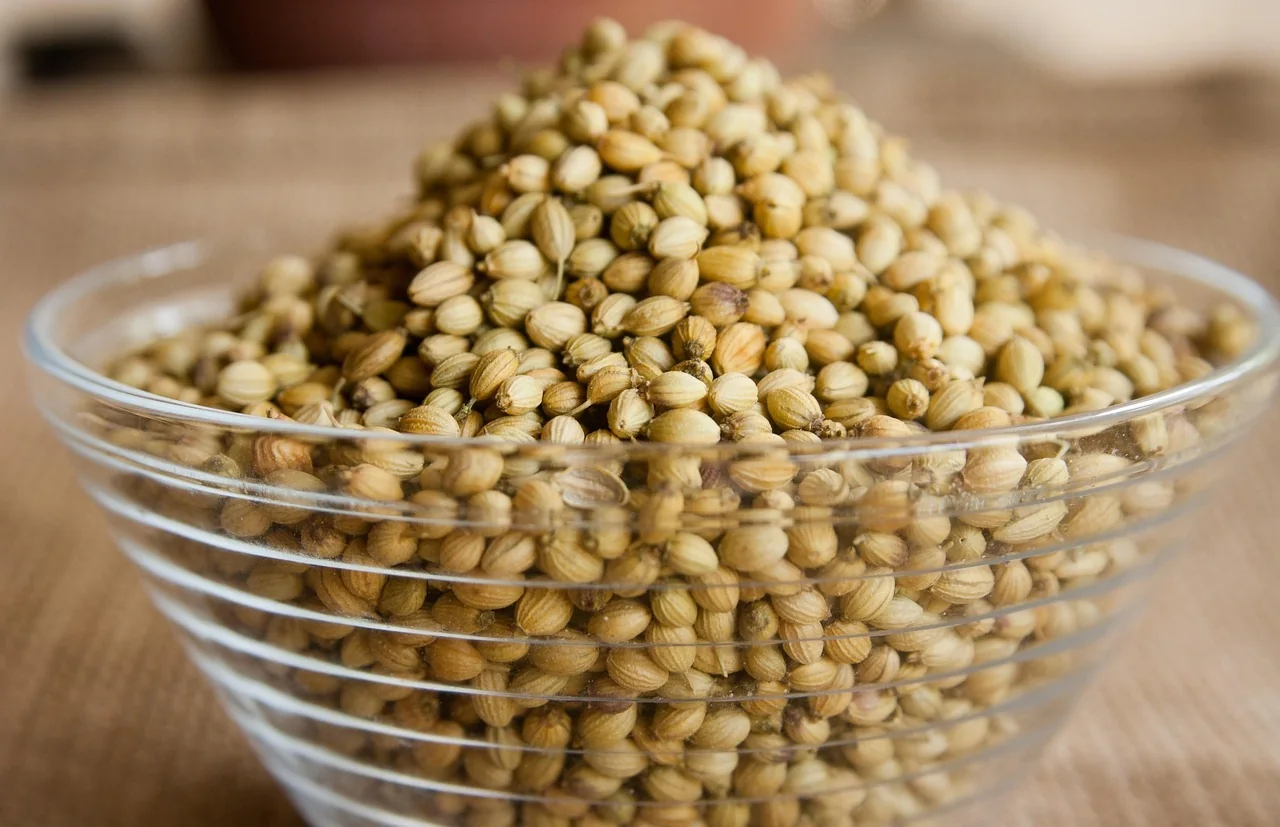
- Dried oregano (rígani): Cypriot wild oregano is sold in bunches or bags at markets and supermarkets and is more fragrant than most imported jars.
- Bay leaves: dried bay is in every shop; many gardens in Cyprus have a bay tree too.
- Lemons are inexpensive and available almost all year.
- Olive oil: a Cypriot extra virgin oil is ideal and widely sold.
- Cinnamon is optional, but a stick in the pot is a common family touch in Cyprus.
How do you get it right?
Kleftiko is simple, but a few details separate a good one from a great one.
- Keep the bone in. The bone conducts heat gently through the meat and adds body to the juices. Boneless lamb tends to cook faster and dry out.
- Marinate properly. An overnight marinade gives the lemon and garlic time to work into the meat. Two hours is the minimum; less and the flavour stays on the surface.
- Seal it tightly. This is the single most important step. Baking paper under foil (step 5 in the recipe card) stops the acidic lemon reacting with the foil and gives a double barrier. Crimp the edges firmly. If you use a clay pot or casserole with a lid, the paper still helps.
- Go low and don't peek. The long, low cook in step 6 should be left alone. Every time you open the dish, steam escapes and the meat cooks less evenly.
- Put the potatoes underneath. They protect the lamb from the hot base of the tin and soak up the fat and juices as they cook.
- Brown at the end, not the start. Unlike many braises, kleftiko is not seared first. Colour comes from uncovering it for the last half hour (step 7). Keep an eye on it: you want golden edges, not a dry crust.
- Season generously. Large pieces of meat need more salt than you think, and the potatoes need their own seasoning.
Variations
Clay pot kleftiko
If you have a Cypriot clay pot (tsoukáli) or a Greek gástra, use it. Soak an unglazed clay pot in water for 15–20 minutes before filling, put it into a cold oven and let it heat up with the oven, to avoid cracking. Clay holds heat evenly and gives a result closer to the village foúrnos.
Parcels
Some cooks wrap each portion of lamb and potato separately in baking paper, tied with string, then bake the parcels side by side. It looks impressive at the table and keeps each portion moist.
With tomatoes or peppers
Adding a couple of sliced tomatoes or green peppers over the potatoes is a common modern touch, especially in Greek versions. It gives a slightly sweeter, saucier result. The traditional Cypriot version is plainer, letting the lamb, lemon and oregano lead.
With halloumi or cheese
Thick slices of halloumi laid over the lamb for the final uncovered stage melt slightly and brown at the edges. In Greece, kefalotyri or feta are sometimes added instead. Use it as a finishing touch only; cheese cooked for hours turns rubbery.
Slow cooker
A slow cooker gives very tender meat with almost no effort. Use only a splash of water, because the sealed lid traps moisture, then finish the lamb in a hot oven so it is not pale. See the FAQ for timings.
Goat or pork
Goat is a traditional alternative in Cyprus and suits the same method perfectly. Pork shoulder also works and is sometimes used, though most Cypriots would call lamb or goat the "real" kleftiko.
What to serve with it
Kleftiko is already a full meal with its potatoes, so keep the sides fresh and simple.
- Village salad (choriátiki) of tomato, cucumber, onion, olives and herbs, dressed with olive oil and a little vinegar or lemon.
- Plain yoghurt or tzatziki, which cuts through the richness of the lamb.
- Fresh village bread for the juices.
- Pourgoúri (bulgur wheat pilaf), a very Cypriot side, if you want something extra.
- Wine: a Cypriot dry red from local grapes such as Maratheftiko or Mavro suits it well. To finish the meal in local style, a small glass of Commandaria, the island's historic sweet wine, works nicely with dessert or fruit.
How to store and reheat it
- Fridge: cool the kleftiko within two hours of cooking, cover it and keep it in the fridge for up to 3 days. Store the lamb, potatoes and juices together so nothing dries out.
- Freezer: the lamb freezes well for up to 3 months, ideally off the bone with some of its juices. The potatoes become grainy when frozen, so it is better to eat them fresh or cook a new batch.
- Reheating: put the lamb and potatoes in an ovenproof dish with a few tablespoons of water or juices, cover with foil and heat at 150°C fan / 170°C conventional for about 30 minutes, until piping hot all the way through. Uncover for the last 10 minutes to crisp the top. Microwaving works for a single portion but softens the potatoes.
- Leftovers: shredded leftover lamb is excellent in pitta with yoghurt, tomato and onion.
Where can you try it in Cyprus?
Kleftiko is on the menu at many traditional tavernas across the island, but the best versions tend to be found in village tavernas, particularly in the hills of the Troodos and the villages around Paphos, Limassol and Larnaca, where some places still cook it in a wood-fired foúrnos. Look for menus that mention the outdoor oven or have one visible in the yard.
Because it takes hours to cook, kleftiko is often prepared in limited quantities and can sell out, especially at weekend lunchtimes. Many village tavernas cook it on particular days or only on request, so it is worth calling ahead. It also appears as one of the later courses in a full meat meze, where it arrives after the grilled meats and is shared at the table.
Easter Sunday is the other great kleftiko occasion. While many families spit-roast lamb as souvla, plenty fire up the foúrnos too, and the smell of slow-cooking lamb drifts through villages across the island.
For more ideas, browse our Food & drink section or see all our Cypriot recipes.
Recommended for this guide
Contains affiliate links GetYourGuide
Skip-the-line tickets, day trips and guided tours, usually with free cancellation up to 24 hours before.
See things to do in Cyprus
Hotels & places to stay
GetYourGuide
Skip-the-line tickets, day trips and guided tours, usually with free cancellation up to 24 hours before.
See things to do in Cyprus
Hotels & places to stay
 Booking.com
The widest choice of hotels, apartments and villas, with free cancellation on many rooms.
Find hotels in Cyprus
Flights & car hire
Booking.com
The widest choice of hotels, apartments and villas, with free cancellation on many rooms.
Find hotels in Cyprus
Flights & car hire
 Discover Cars
Compare car hire from local and international companies at Larnaca and Paphos airports.
Compare car hire
Discover Cars
Compare car hire from local and international companies at Larnaca and Paphos airports.
Compare car hire
Frequently asked questions
What cut of lamb is best for kleftiko?
Lamb shoulder on the bone is the most forgiving choice because its fat and connective tissue melt during the long cook. Leg on the bone works too and is slightly leaner. Ask your butcher to cut it into four large pieces; goat is also used in Cyprus and cooks the same way.
Why is it called kleftiko?
The name comes from the Greek word for stealing, the same root as 'kleptomania'. The usual story is that outlaws or rebels cooked stolen meat in sealed pits in the ground so that no smoke or smell would give them away, though this is popular tradition rather than documented history.
Can I make kleftiko ahead of time?
Yes. Cook it fully, cool it and keep it covered in the fridge for up to 3 days. Reheat it covered at 150°C fan / 170°C conventional for about 30 minutes with a splash of water, then uncover for the last 10 minutes to crisp the top.
What do you serve with kleftiko?
In Cyprus it usually comes with its own potatoes, a village salad of tomato, cucumber and onion, plain yoghurt or tzatziki, and fresh bread for the juices. A glass of Cypriot dry red wine suits it well.
Can I cook kleftiko in a slow cooker?
You can. Put the potatoes in the base, the marinated lamb on top and cook on low for 7–8 hours with only a small splash of water. The meat will be tender, but transfer it to a hot oven for 15–20 minutes at the end to get the browned finish.