Quick answer
Afelia is a traditional Cypriot dish of pork marinated in dry red wine with coarsely crushed coriander seeds, then browned in olive oil and braised in the marinade until tender and coated in a dark, glossy sauce. It needs an overnight marinade, about 20 minutes of preparation and around one hour and forty minutes on the hob.
- Use pork shoulder or neck with some fat, cut into large cubes; lean cuts turn dry.
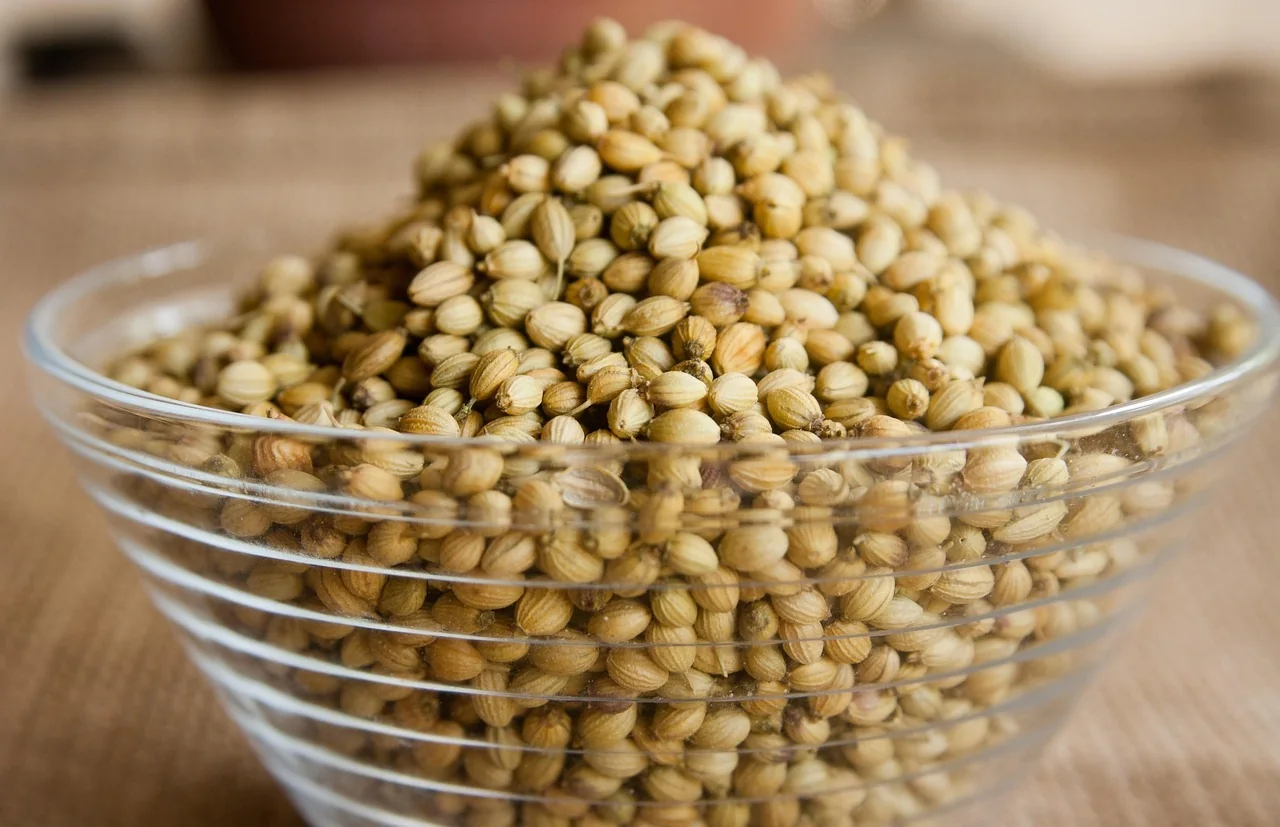
- Crushed coriander seed, not fresh coriander leaf, gives afelia its warm, citrusy flavour.
- Marinate overnight in a dry red wine, then brown the pork well before braising.
- It is traditionally served with bulgur wheat pilaf (pourgouri), potatoes and plain yoghurt.
Recipe
Afelia
Ingredients
For the marinade
For cooking
Method
- Put the pork in a non-metallic bowl with the wine, crushed coriander seeds, salt, pepper, bay leaves and cinnamon (if using). Stir, cover and refrigerate overnight, or for at least 4 hours.
- Lift the pork out of the marinade with a slotted spoon and pat it dry with kitchen paper. Keep the marinade, including the seeds and bay leaves.
- Heat the olive oil in a wide, heavy pan or casserole over a medium-high heat. Brown the pork in two or three batches, without crowding, for 4–5 minutes per batch until deep golden on all sides. Return all the meat to the pan.
- Pour in the reserved marinade and let it bubble hard for 2–3 minutes, scraping up the browned bits from the base of the pan, until the raw wine smell fades.
- Add enough hot water to come about halfway up the meat. Bring to a gentle simmer, cover and cook on a low heat for 1–1¼ hours, stirring now and then and adding a splash more water if it looks dry, until the pork is tender when pressed with a spoon.
- Uncover, raise the heat slightly and simmer for 10–15 minutes, stirring, until the liquid has reduced to a thick, glossy sauce that clings to the meat.
- Stir in the extra crushed coriander, taste for salt, remove the bay leaves and cinnamon, and rest for 5 minutes off the heat before serving.
Tip: Crush the coriander seeds in a mortar or with the base of a heavy pan so they are cracked into rough pieces rather than ground to powder; this keeps the flavour bright and gives afelia its characteristic texture.
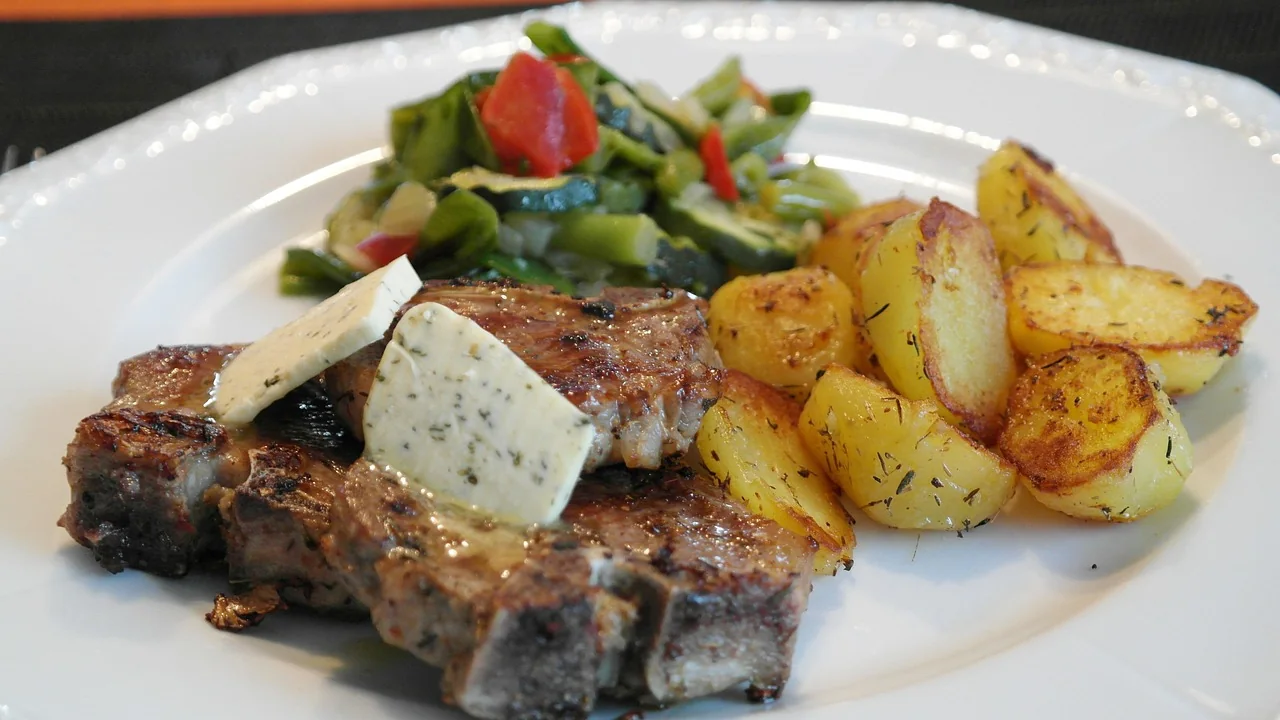
Afelia is pork the Cypriot way: chunks of shoulder soaked overnight in dry red wine and crushed coriander seed, browned in olive oil and then braised until the wine turns into a dark, glossy sauce. It is warm, earthy and gently citrusy, and unlike anything else in most expats' cooking repertoire.
It is also one of the easiest dishes to cook from the island's kitchen. The marinade does the work, the ingredients cost little, and the result tastes like something from a village taverna.
Where does afelia come from?
Afelia is a distinctly Cypriot dish. While neighbouring cuisines have plenty of pork and wine stews, the combination of red wine and whole coriander seed in such generous quantities is closely associated with Cyprus, and you will rarely find afelia on menus outside the island or its diaspora.
The dish brings together two things Cyprus has produced for a very long time. Wine-making on the island is ancient, and coriander grows easily in the Cypriot climate; its seed is used in breads, sausages and cured meats as well as in afelia. Pork, meanwhile, has long been a central meat in Cypriot village households, where a pig was traditionally kept and slaughtered in winter, with every part salted, smoked or cooked.
The origin of the word afélia itself is not clearly documented. You will find various theories online, but none is firmly established, so we prefer not to repeat them as fact. What is clear is that afelia is a home-cooking dish first and a taverna dish second, and that every family has its own version: more or less wine, with or without cinnamon, cooked in a pot on the hob or finished in the oven.
Coriander and wine also turn up in other Cypriot dishes, which shows how deeply this pairing runs. Mushrooms, small potatoes and even artichokes are cooked afélia-style, and loúntza, the island's cured pork loin, is marinated in wine and coriander before smoking.
Which ingredients do you need and where can you buy them in Cyprus?
The pork
The right cut makes the dish. Choose pork shoulder (spálla) or neck, which have enough fat and connective tissue to stay juicy through the braise. Some cooks use pork on the bone, cut into pieces, for extra flavour.
- Local butchers (kreopoleío) are used to the request and will cube shoulder for afelia on the spot. Cypriot pork is widely available and good value.
- Supermarkets such as Alphamega and Sklavenitis have butcher counters; their pre-packed shelves also often carry pork cut "for afelia" or "for stew".
- Lidl and other discounters sell pre-packed pork shoulder, which works well once you cut it into large cubes.
- Municipal markets in the main towns and the weekly laïkí markets usually have at least one butcher alongside the fruit and vegetable stalls.
Coriander seed
Coriander seed (koliandros in Greek) is sold whole in supermarkets and in bulk from spice shops and market stalls. Buy whole seeds, not ground coriander, and crush them yourself just before marinating. The cracked seeds release a fresh, almost orange-like aroma that powder simply cannot match. Fresh coriander leaf is not a substitute here.
Wine
You need a dry red wine with some body. Cyprus produces plenty of affordable reds from local grapes such as Mavro and Maratheftiko, and supermarkets stock them at everyday prices. You do not need anything expensive, but avoid anything you would not drink. The island's famous sweet wine, Commandaria, is wonderful after dinner but far too sweet for this dish.
The rest
Good olive oil, bay leaves and black pepper are in every Cypriot kitchen. A small cinnamon stick is optional but common in family versions.
How do you get it right?
- Give it time in the marinade. An overnight soak (step 1 in the recipe card) lets the wine and coriander penetrate the meat. Four hours is the minimum; the difference after a full night is noticeable.
- Dry the meat before browning. Wet meat steams instead of browning. Pat each piece dry after lifting it from the marinade (step 2).
- Brown in batches. Crowding the pan drops the temperature and stops the meat colouring. That deep browning is where much of the flavour comes from.
- Boil the marinade briefly. Letting the wine bubble for a couple of minutes when it goes in drives off the harsh raw-alcohol edge.
- Braise gently. Once the water is added, keep the pan at a lazy simmer rather than a rolling boil, which toughens pork.
- Finish uncovered. The final reduction in step 6 is what turns a thin, winey liquid into the dark, glossy coating that defines good afelia. Stir often at this stage so nothing catches.
- Add fresh coriander seed at the end. A final pinch of freshly crushed seed lifts the flavour, which can mellow during the long cook.
Variations
Oven-braised afelia
After browning the meat and adding the marinade and water, cover the pot and transfer it to the oven at 150°C fan / 170°C conventional for about 1½ hours. Uncover for the last 20 minutes to reduce the sauce. It needs less attention than the hob method.
Clay pot
Cooking afelia in a Cypriot clay pot in the oven gives a very gentle, even braise. Soak an unglazed pot before use and put it into a cold oven to prevent cracking.
Pork on the bone
Use pork shoulder chops or ribs cut into pieces. The cooking time is similar, and the bones enrich the sauce.
Afelia-style vegetables
The same wine-and-coriander treatment works beautifully on vegetables. Patátes antinaktés are small new potatoes, crushed lightly, fried until golden, then splashed with red wine and showered with crushed coriander seed. Mushrooms cooked this way are another taverna favourite and a good vegetarian option.
Slow cooker
Brown the meat in a pan first, then transfer everything to a slow cooker with only a little water and cook on low for 6–7 hours. Reduce the sauce in a pan at the end, as a slow cooker will not thicken it.
What to serve with it
- Pourgoúri: bulgur wheat pilaf, often cooked with onion and vermicelli in stock, is the most traditional partner.
- Plain yoghurt: a spoonful of thick Cypriot or strained yoghurt alongside cools the richness.
- Potatoes: either the crushed, wine-and-coriander potatoes described above, or simple roast or fried potatoes.
- Village salad: tomatoes, cucumber, onion and herbs with olive oil.
- Bread: for the sauce, which is too good to leave.
- Wine: the same Cypriot red you used in the pot is the obvious match.
How to store and reheat it
- Fridge: cool afelia within two hours, then keep it covered in the fridge for up to 3 days. The flavour deepens overnight, so it is a good dish to make the day before guests arrive.
- Freezer: it freezes well for up to 3 months. Defrost overnight in the fridge.
- Reheating: warm it gently in a covered pan over a low heat with a splash of water, stirring occasionally, until piping hot all the way through. The sauce thickens in the fridge, so loosen it as needed. In the microwave, cover the bowl and stir halfway.
- Leftovers: shredded leftover afelia makes an excellent filling for pitta with yoghurt, onion and tomato.
Where can you try it in Cyprus?
Afelia is a staple of the traditional meze, particularly the meat meze served in village tavernas and family-run restaurants across the island. It usually arrives in a small dish among the cooked plates, after the dips and salads and before or alongside the grilled meats. If you order a full meze, there is a good chance afelia will be part of it.
You will also find it as a main course on the menus of tavernas specialising in Cypriot home cooking, especially in the hill and wine villages of the Troodos and the countryside around Limassol and Paphos, where local wine and pork have always been part of daily life. Lunchtime is often the best time to look for it, as many traditional places cook stews in the morning and serve them until they run out.
Local festivals, village celebrations and winter gatherings are other good occasions to taste it, as afelia is a dish families cook in quantity for guests.
Browse more ideas in our Food & drink section or see all our Cypriot recipes.
Recommended for this guide
Contains affiliate links GetYourGuide
Skip-the-line tickets, day trips and guided tours, usually with free cancellation up to 24 hours before.
See things to do in Cyprus
Hotels & places to stay
GetYourGuide
Skip-the-line tickets, day trips and guided tours, usually with free cancellation up to 24 hours before.
See things to do in Cyprus
Hotels & places to stay
 Booking.com
The widest choice of hotels, apartments and villas, with free cancellation on many rooms.
Find hotels in Cyprus
Flights & car hire
Booking.com
The widest choice of hotels, apartments and villas, with free cancellation on many rooms.
Find hotels in Cyprus
Flights & car hire
 Discover Cars
Compare car hire from local and international companies at Larnaca and Paphos airports.
Compare car hire
Discover Cars
Compare car hire from local and international companies at Larnaca and Paphos airports.
Compare car hire
Frequently asked questions
What cut of pork is best for afelia?
Pork shoulder (spalla) or neck is best, because the marbling keeps the meat juicy during the braise. Ask a Cypriot butcher for pork 'for afelia' and they will usually cut shoulder into large cubes. Lean loin or tenderloin dries out and is not recommended.
Which wine should I use for afelia?
Use a dry red wine you would happily drink. A local Cypriot red made from Mavro or Maratheftiko grapes is ideal and inexpensive. Avoid sweet wines; Commandaria, for example, is delicious but far too sweet for this dish.
Can I make afelia without wine?
Wine is central to the dish, but you can replace it with a mix of unsweetened red grape juice and a tablespoon of red wine vinegar, topped up with stock. The result is lighter and slightly sweeter but still very good.
Can I make afelia ahead?
Yes, and many people think it tastes better the next day. Cool it, keep it covered in the fridge for up to 3 days and reheat gently on the hob with a splash of water until piping hot.
What do you serve with afelia?
The classic Cypriot accompaniments are pourgouri (bulgur wheat pilaf), plain yoghurt and potatoes, often small crushed potatoes fried and finished with wine and coriander. A village salad and fresh bread complete the meal.