

Quick answer
The top sights in Cyprus fall into three groups: ancient wonders at Paphos Archaeological Park and the Tombs of the Kings, coastal gems at Nissi Beach and the Blue Lagoon, and mountain retreats in the Troodos Mountains and Kykkos Monastery. Together they cover Roman mosaics, clear turquoise water and UNESCO-listed painted Byzantine churches.
- Paphos Archaeological Park is a UNESCO World Heritage site with Roman mosaics in five houses, including the House of Dionysus.
- The Tombs of the Kings necropolis covers roughly 320,000 square metres and was used until the third century AD.
- Blue Lagoon boat trips leave from Latchi harbour and last about three hours; dive depths range from 5 to 40 metres.
- The Troodos Mountains have ten UNESCO-listed painted churches and trails including the 7 km Artemis Trail.
- Kykkos Monastery was founded in the 11th century and holds an icon of the Virgin Mary believed to be painted by St. Luke.
This guide moves from historic landmarks to natural wonders, covering the ancient remains of Paphos Archaeological Park and the Tombs of the Kings, the sun-drenched shores of Nissi Beach and the Blue Lagoon, and the calm of the Troodos Mountains and Kykkos Monastery. It was first written with the 2024 season in mind.
Ancient wonders: Paphos Archaeological Park and Tombs of the Kings
Why is Paphos Archaeological Park a UNESCO site?
Paphos Archaeological Park is a UNESCO World Heritage site and a rich repository of ancient remains. The large site sits in Kato Paphos and contains some of the island's most notable ruins and objects from the Hellenistic and Roman eras.
What are the Roman mosaics and ruins?
The park's standout feature is its Roman mosaics, which many consider among the finest anywhere. These floor artworks offer a vivid picture of daily life, mythology and legend in the Greco-Roman world. Uncovered in the 1960s, the mosaics date from the second to the fourth centuries AD and span the Hellenistic period through to the Byzantine era.
Visitors can tour five houses with large areas of well-preserved mosaic work: the House of Dionysus, the House of Theseus, the House of Aion, the House of Orpheus and the House of the Four Seasons. Each takes its name from a recurring theme in its mosaics. The entrance to the House of Dionysus, for example, features a mosaic of Scylla, a mythical sea monster. The mosaics portray scenes from Greek mythology, including the labours of Hercules and Theseus' fight with the Minotaur.
Beyond the mosaics, the park contains Roman ruins such as villas, palaces and a theatre, which reveal much about how the island's early inhabitants lived.
What are the Tombs of the Kings?
Just north of Paphos harbour lies the Tombs of the Kings, a major Hellenistic-Roman necropolis that is also part of the UNESCO World Heritage site. Despite the name, the burial ground was not reserved for royalty. It was used by wealthy aristocrats and senior officials until the third century AD.
The necropolis covers roughly 320,000 square metres and contains underground tombs cut directly into solid rock. Many date to the 4th century BC and are designed to resemble the homes of the living. Some feature Doric columns and walls decorated with frescoes, although much of the original decoration has faded. The most impressive, Tomb No. 3, has an open courtyard below ground level ringed by columns.
Many of the tombs' treasures were taken by looters over the centuries, yet the site remains valuable for its history and archaeology. Ongoing excavations continue to reveal new finds.
Coastal gems: Nissi Beach and the Blue Lagoon
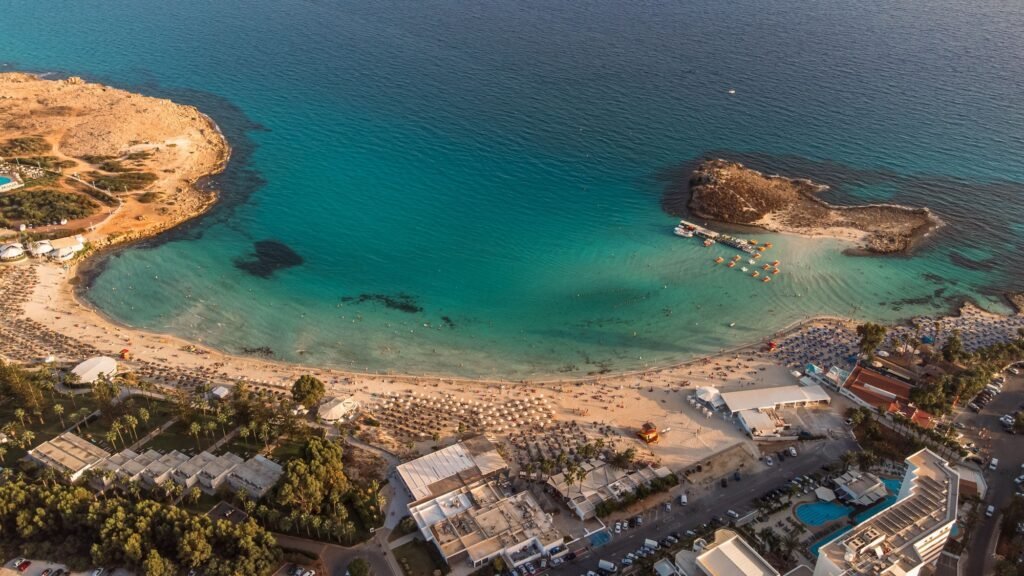
What are the waters like?
Nissi Beach, in Ayia Napa, has clear turquoise water and soft golden sand. The beach has earned praise for its cleanliness, and Cyprus has been named the top country in Europe for bathing water quality. The shallow, warm water suits paddling and swimming, which makes the beach especially good for families with small children.
The Blue Lagoon, near the Akamas Peninsula, has vivid turquoise water and scenic surroundings. This sheltered bay has warm, clear water that suits swimming and snorkelling, and the clarity lets visitors see the seabed and marine life.
Which water sports can you try?
At Nissi Beach, the Nissi Watersports centre offers parasailing, jet skiing and banana boat rides. A designated water sports zone at the far end of the beach lets thrill-seekers and quieter swimmers share the space.
The Blue Lagoon is more secluded but suits snorkelling, and some boat tours supply snorkelling equipment. Divers will also find it appealing, with dive depths between 5 and 40 metres and excellent visibility for both beginners and experienced divers.
What boat tours are available?
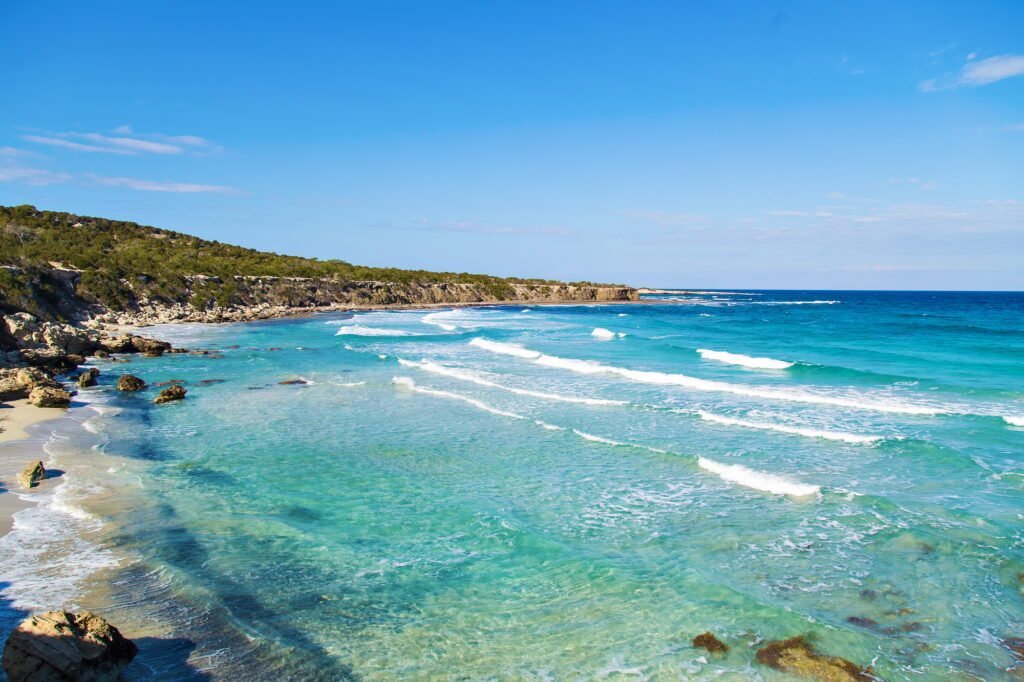
Boat trips to the Blue Lagoon leave from Latchi harbour and show the Akamas coastline from the water. Tours usually last about three hours and make several stops, including the Baths of Aphrodite, Saint George's island and the sea caves at Manolis Bay.
Many operators add extras: some boats have water slides that send passengers into the Blue Lagoon, while others serve music and refreshments. For a more upscale outing, private charters let visitors plan their own route, often with stops at secluded bays and coves that cannot be reached by land.
Mountain retreats: Troodos Mountains and Kykkos Monastery
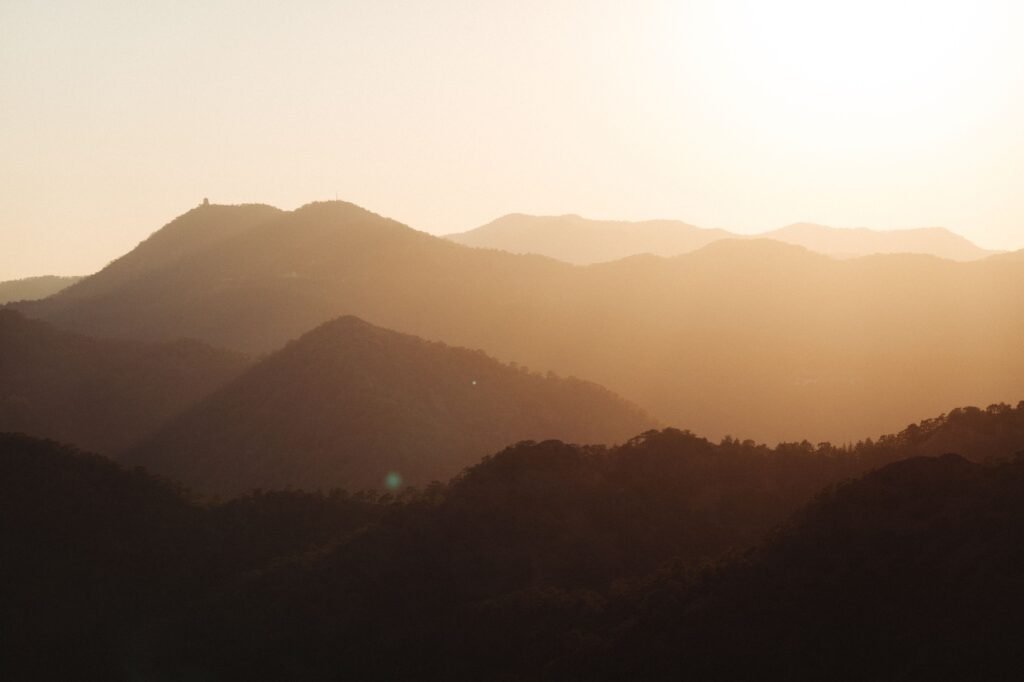
Nestled in the centre of Cyprus, the Troodos Mountains provide a cool break from the coast, combining natural scenery, history and spiritual meaning.
Which painted churches should you visit?
The Troodos Mountains are known for their painted churches, which have UNESCO World Heritage status. These Byzantine-era churches contain fine frescoes and icons that have survived for centuries, and the region has ten of them.
The Church of Agios Nikolaos tis Stegis (St. Nicholas of the Roof) in Kakopetria is notable for its well-preserved frescoes and distinctive architecture. Its steep wooden roof, typical of Cypriot mountain churches, has helped protect the artworks from the weather. The Church of Panagia tou Arakou in Lagoudera is admired for its outstanding artistic quality, attributed to Constantinopolitan masters.
What are the best hiking trails?
The Troodos Mountains are among the best places on the island for nature lovers and hikers, with a network of well-kept trails for a range of fitness levels. See our guide to hiking in Cyprus and to outdoor sports in Cyprus.
- Artemis Trail: a 7-kilometre loop around Chionistra peak at 1,850 metres, with sweeping panoramas. It takes its name from Artemis, the Greek goddess who protected wild animals and forests.
- Caledonia Trail: a tougher route that climbs 3 kilometres to Caledonia Waterfall, the highest waterfall in Cyprus, which drops 12 metres over moss-covered rocks. The path follows a stream, so the walk stays cool and shaded in summer.
What is Kykkos Monastery?
The centrepiece of the Troodos Mountains' Byzantine heritage is Kykkos Monastery. Founded in the 11th century, it is one of the wealthiest and best-known monasteries on the island. Perched high in the hills, it has superb views and a peaceful atmosphere.
Its Byzantine architecture includes imposing stone walls and detailed decoration. The main church is covered in gold mosaics and elaborate frescoes and houses the monastery's most treasured object: an icon of the Virgin Mary, believed to have been painted by St. Luke. Visitors can also tour the monastery museum, which holds religious objects, manuscripts and icons, and relax in the quiet courtyards and gardens.
Recommended for this guide
Contains affiliate linksFrequently asked questions
What are the must-see ancient attractions in Cyprus?
Paphos Archaeological Park and the Tombs of the Kings, both part of a UNESCO World Heritage site. The park has Roman mosaics in five notable houses, plus villas, palaces and a theatre.
Which beaches in Cyprus are worth visiting?
Nissi Beach in Ayia Napa has clear turquoise water, soft golden sand and water sports. The Blue Lagoon near the Akamas Peninsula is suited to swimming, snorkelling and scenic boat tours.
Where are the best water sports in Cyprus?
Nissi Beach offers parasailing, jet skiing and banana boat rides through the Nissi Watersports centre. The Blue Lagoon suits snorkelling and diving, with depths from 5 to 40 metres.
What are the best hikes in the Troodos Mountains?
The Artemis Trail is a 7-kilometre loop around Chionistra peak at 1,850 metres. The Caledonia Trail climbs 3 kilometres to Caledonia Waterfall, the highest waterfall in Cyprus.
Why is Kykkos Monastery significant?
Founded in the 11th century, it is one of the wealthiest and best-known monasteries in Cyprus, with gold mosaics, frescoes, a museum and an icon of the Virgin Mary believed to be painted by St. Luke.


